
Kannur: St Angelo Fort, the Arakkal Kingdom and the Gods of Theyyam
A Portuguese fort of 1505 above the harbour, Kerala's only Muslim royal house, where women could rule, and the theyyam nights when gods walk the villages of north Malabar. The story of Kannur through old engravings, paintings and photographs.
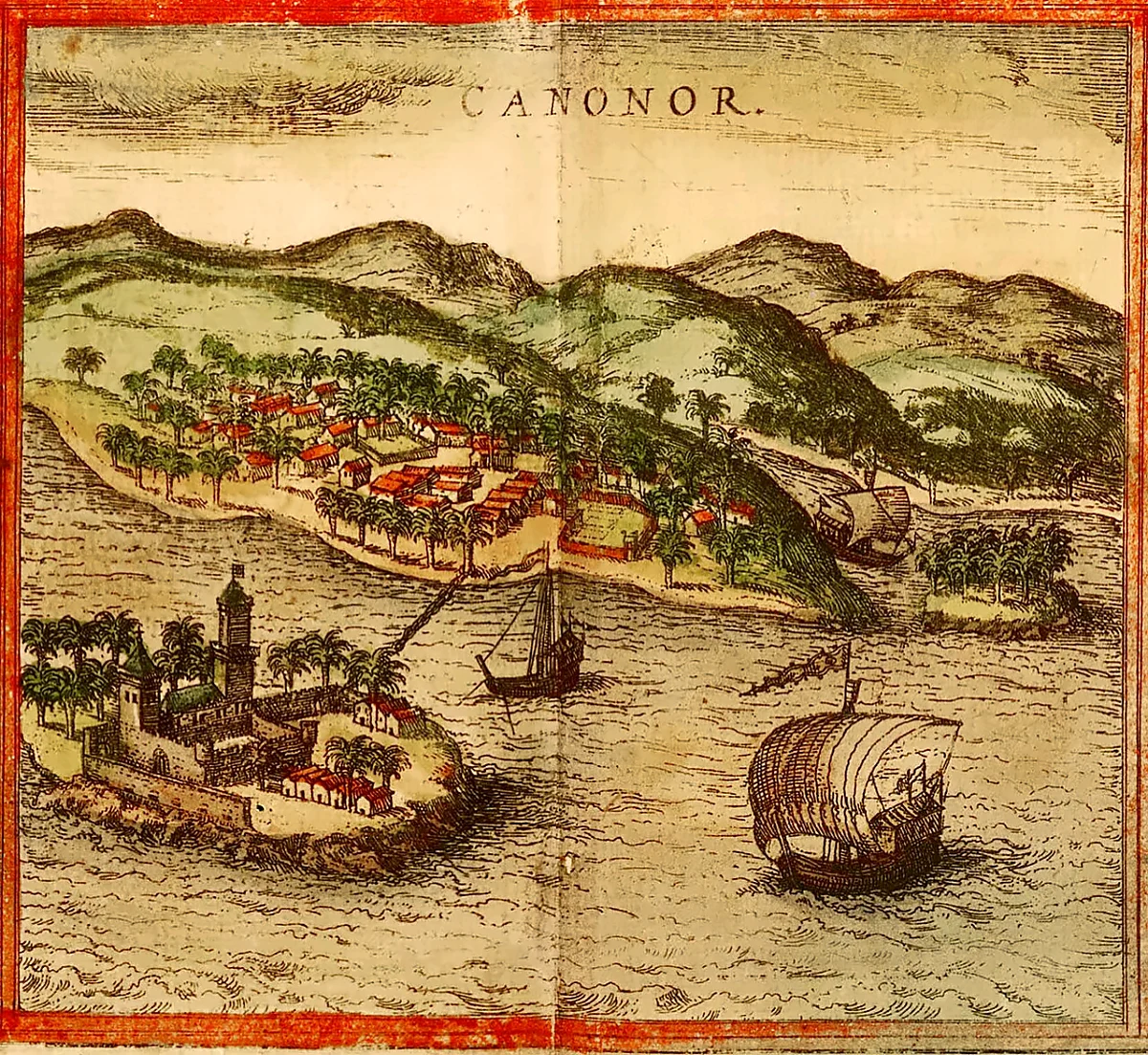
Kannur (Cannanore), on the coast of north Malabar, is a place of three remarkable traditions living side by side. It was the seat of the Kolathiri rajas, one of Kerala's oldest ruling houses. It was the home of the Arakkal family, the only Muslim royal house in Kerala, in which a woman, the Arakkal Beevi, could rule. And its villages are the heartland of theyyam, the ritual in which, for a night, a man becomes a god. Over the harbour stands St Angelo Fort, built by the Portuguese in 1505 and held in turn by the Dutch, the Arakkal rulers and the British.
As always, our own assessments are clearly marked.
At a glance
- Where: north Kerala coast, about 90 km north of Kozhikode and 20 km north of Thalassery.
- St Angelo Fort: begun by Francisco de Almeida in October 1505; Dutch from 1663; sold to the Arakkal ruler in 1772; British from 1790.
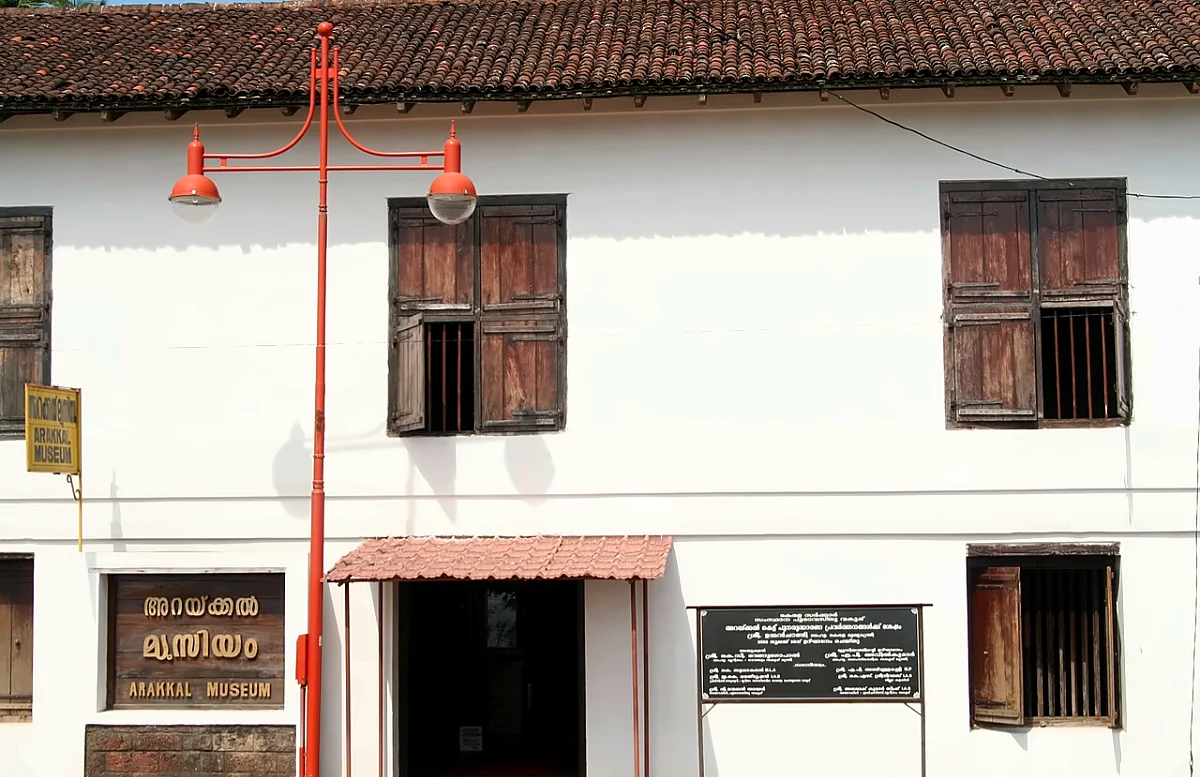
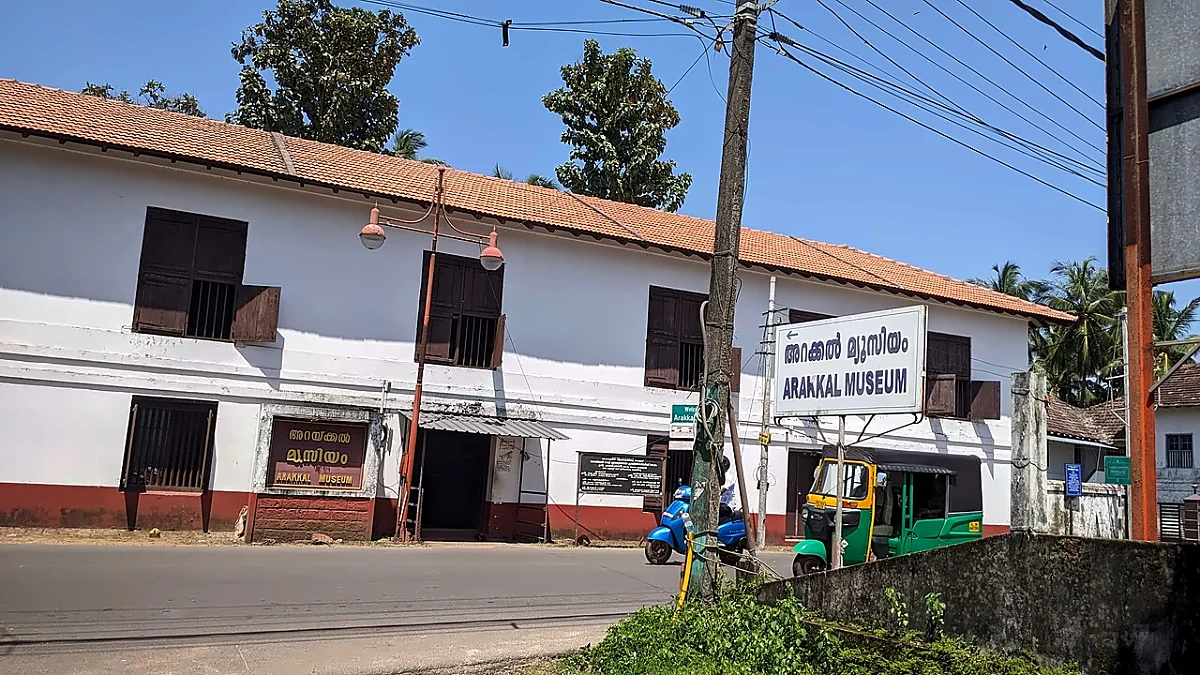
- Arakkal: Kerala's only Muslim royal family, matrilineal; its palace, the Arakkal Kettu, is now a museum.
- Theyyam: nearly 400 forms, performed in shrines from about October to May.
The Kolathiri country
North Malabar was ruled for centuries by the Kolathiri rajas of Kolathunadu, who claimed descent from the ancient Mushika kings of Ezhimala. Kannur was their chief port, trading pepper, ginger, cardamom and horses with Arab and Gujarati merchants, and the Mappila Muslim community grew rich on that trade. When the Portuguese arrived, the Kolathiri, rivals of the Zamorin of Calicut, welcomed them as allies.
St Angelo Fort
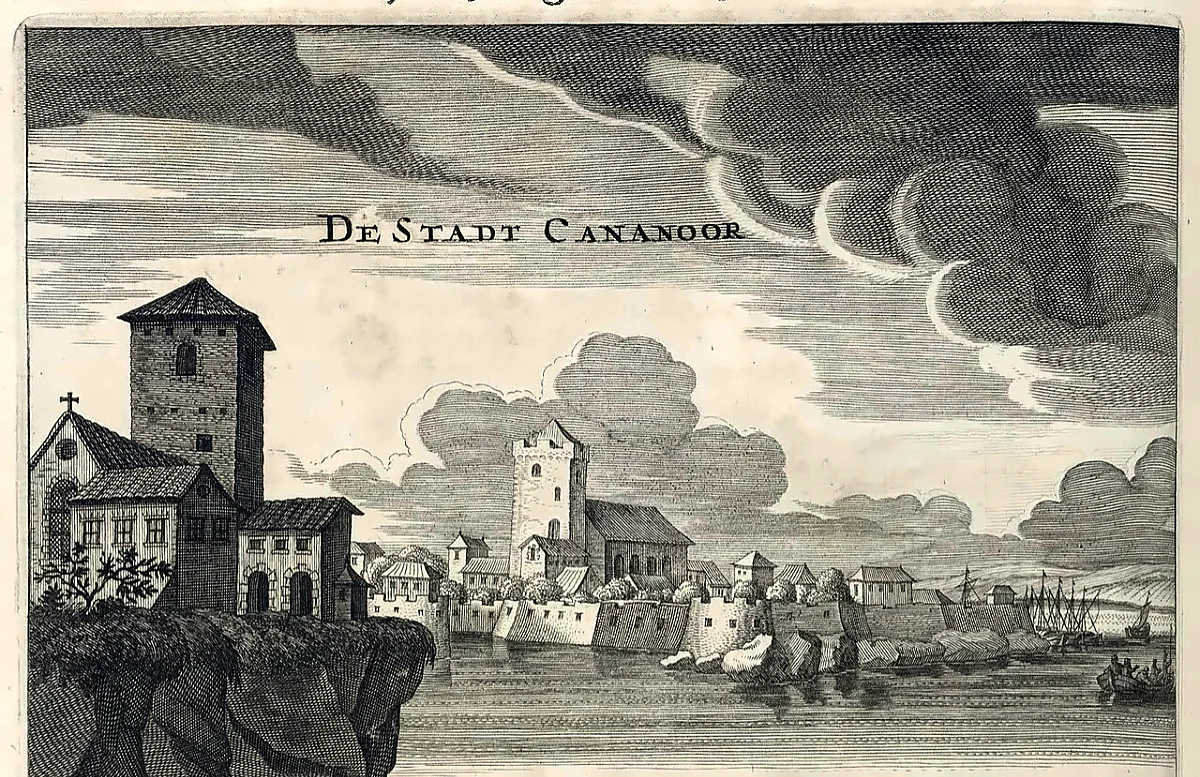
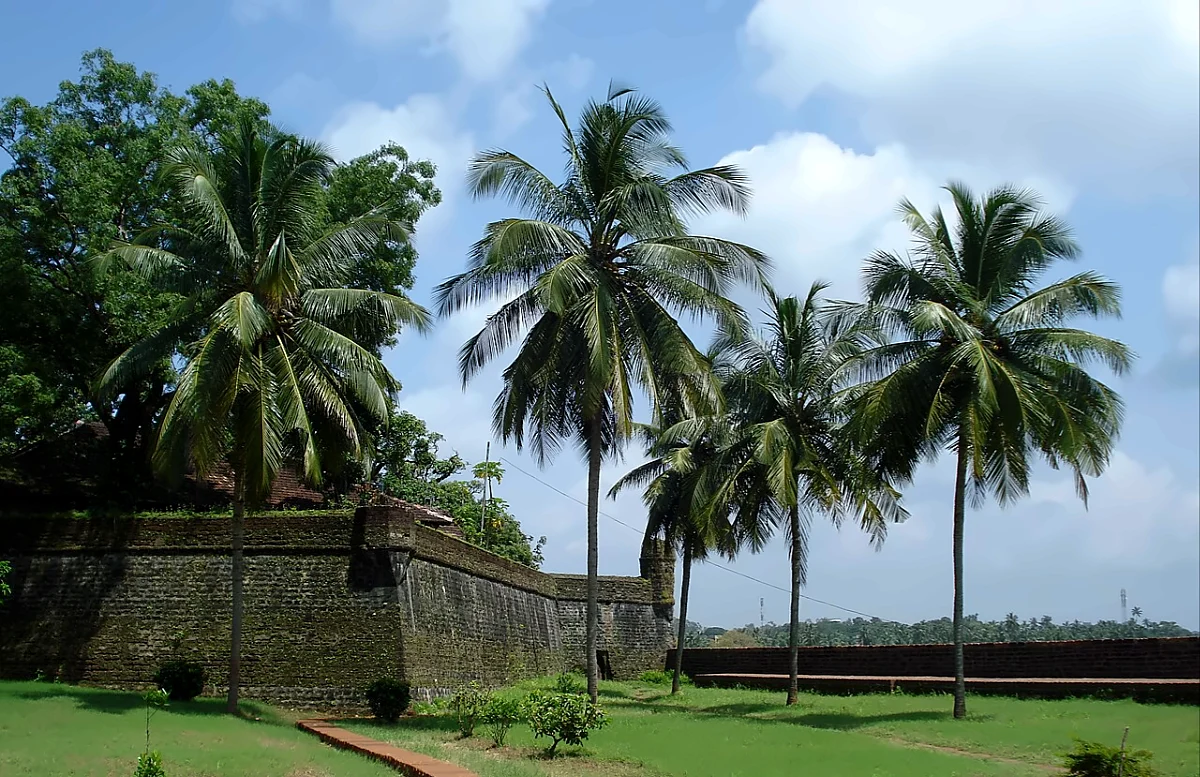
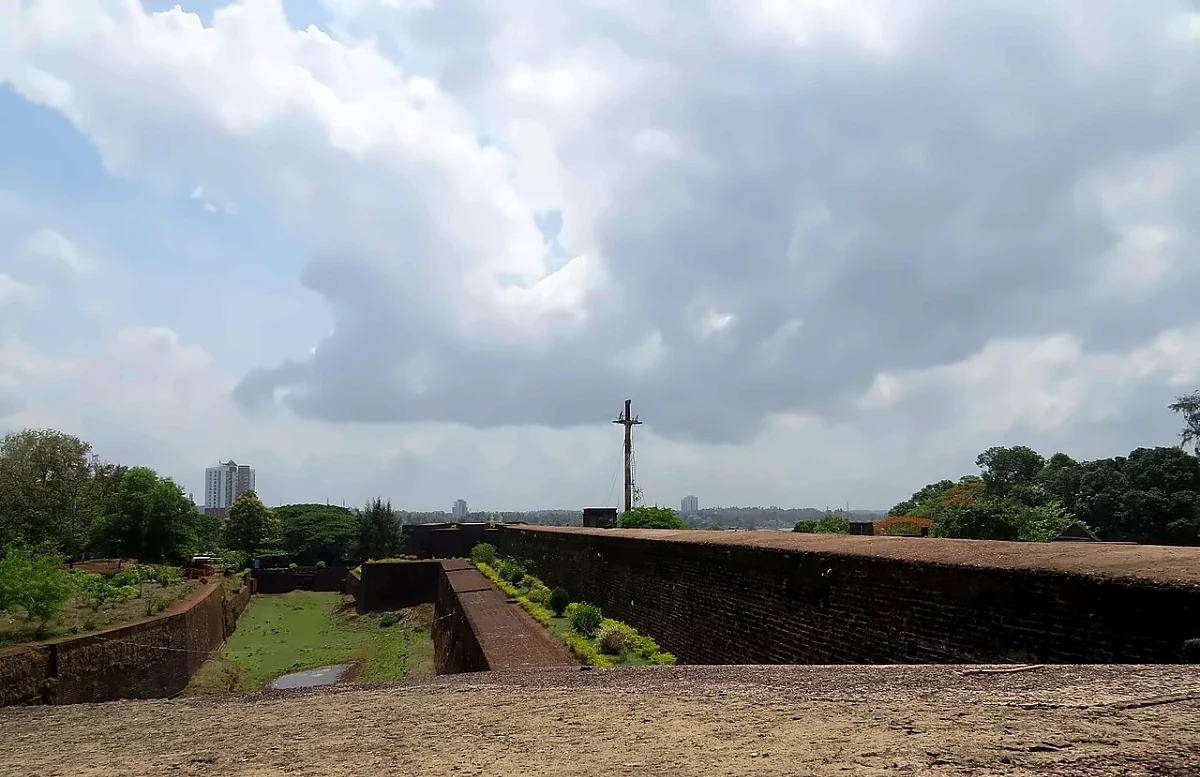
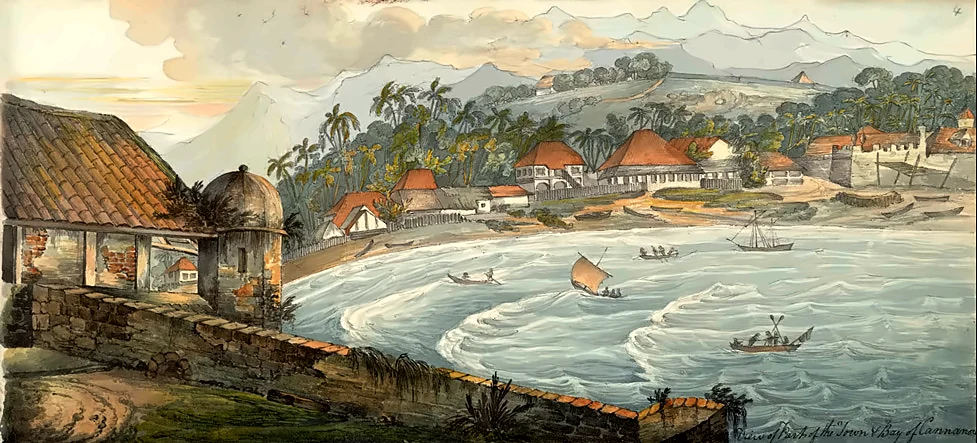
On 23 October 1505 the Kolathiri gave the first Portuguese viceroy, Francisco de Almeida, permission to build a fort on the headland. A timber fort went up within a week, and Almeida began a stone fort in 1507. In 1507, after a new Kolathiri raja turned against the Portuguese, the fort withstood a long siege by Kolathiri and Zamorin forces. The Dutch captured it on 15 February 1663, rebuilt it in its present shape with triangular bastions they named Hollandia, Zeelandia and Frieslandia, and in 1772 sold it to the Arakkal ruler, Ali Raja. In 1790 the British took it, and it remained their main military station in Malabar until independence. Today it is protected by the Archaeological Survey of India: massive laterite walls, a moat, cannons facing the sea, and views over the fishing harbour and Mappila Bay.
Arakkal: Kerala's Muslim royal house
The Arakkal family rose from ministers and admirals of the Kolathiri to rulers in their own right. Their origin is told in legends. One links them to the last Chera king, Cheraman Perumal, who is said to have gone to Arabia and embraced Islam; another says the founder, Mammali Kidavu, was a Kolathiri minister who became a Muslim. Historians think these genealogies were probably shaped later, in the 17th and 18th centuries, when the family was rising from vassal to independent power.
What is certain is their wealth and reach. They controlled much of the trade of Kannur, held the Lakshadweep (Laccadive) islands under the Kolathiri from the 17th century, and traded coir and other goods from the islands. They fought the Portuguese and sometimes the Dutch, allied with Hyder Ali and Tipu Sultan against the Kolathiri and the British, and bought St Angelo Fort in 1772. The British took the fort in 1790. Arakkal kept its Kannur estates and nominal rule of part of Lakshadweep, paying tribute to the British, until a settlement of 1908 gave the family a pension, land and the title of Sultan in exchange for the islands.
The family followed matrilineal succession, the custom of north Malabar shared by Hindu and Muslim families alike: the eldest member of the family, whether man or woman, became head. A male ruler was called Ali Raja; a woman ruler was the Arakkal Beevi, and several Beevis ruled in their own right, including in the years when the family dealt with Tipu Sultan and the British in the late 18th century.
Our assessment: a Muslim kingdom ruled by queens?
To many visitors it seems surprising that a Muslim royal family should pass its throne through the female line and be headed by women. In north Malabar it is not surprising at all. The Mappila families of the region, like their Nair and Thiyya neighbours, followed marumakkathayam, inheritance through the mother's line, long after their conversion to Islam. We read Arakkal as a living example of how Islam in Kerala grew from within local society, adopting its family customs and its political language, rather than as something brought from outside. The Arakkal Beevis were not exceptions to Islam in Kerala; they were an expression of Kerala's Islam.
Theyyam: when gods walk the earth
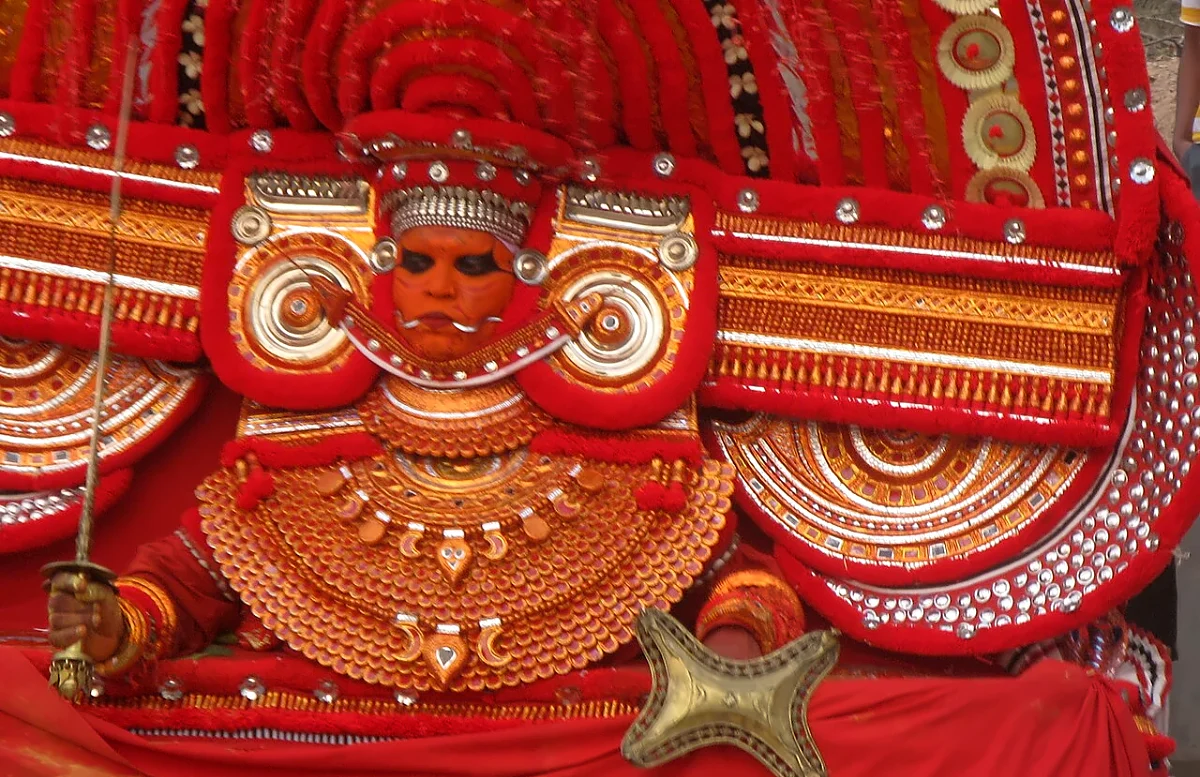
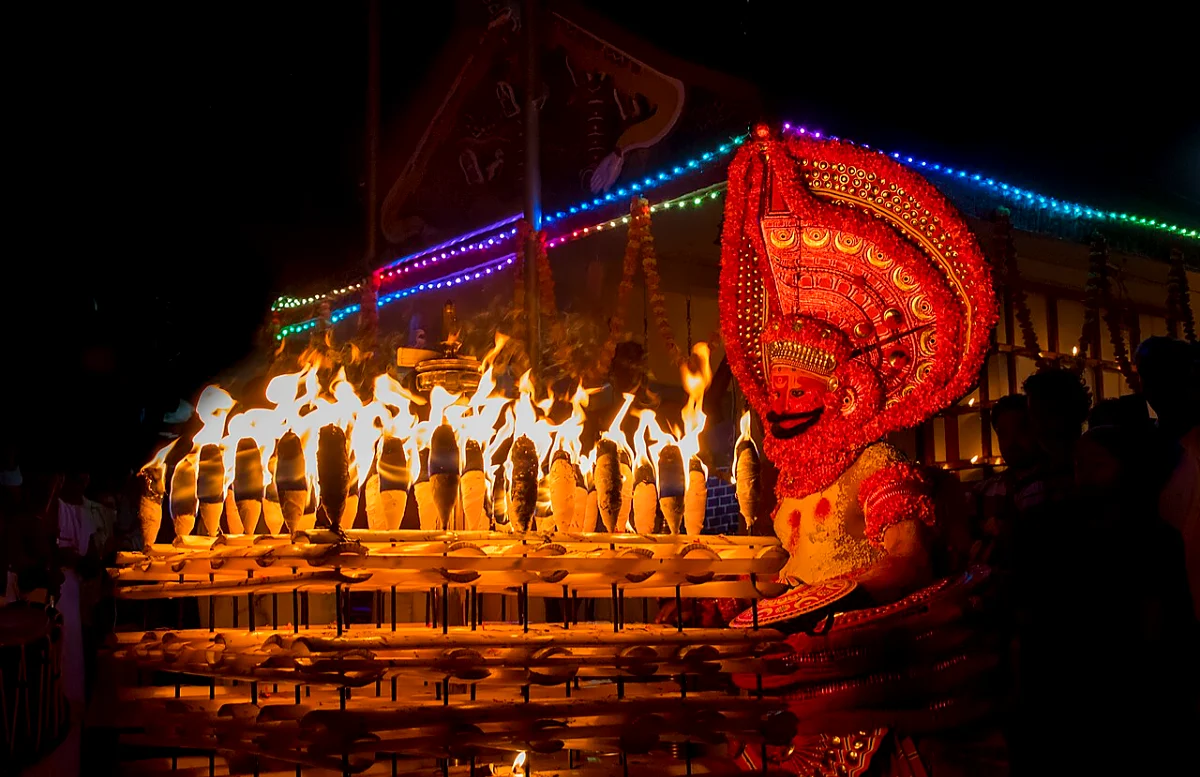
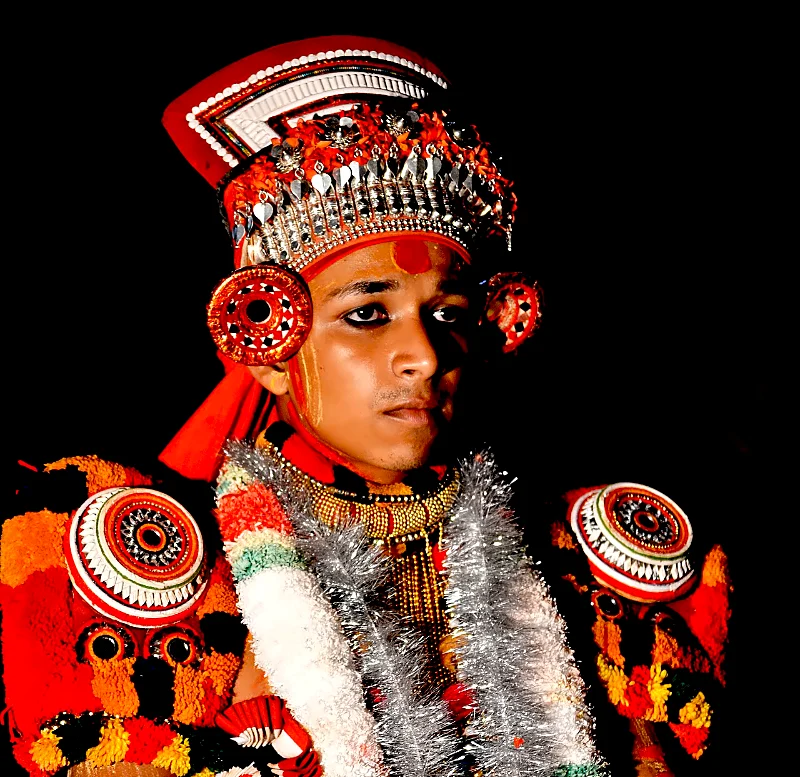
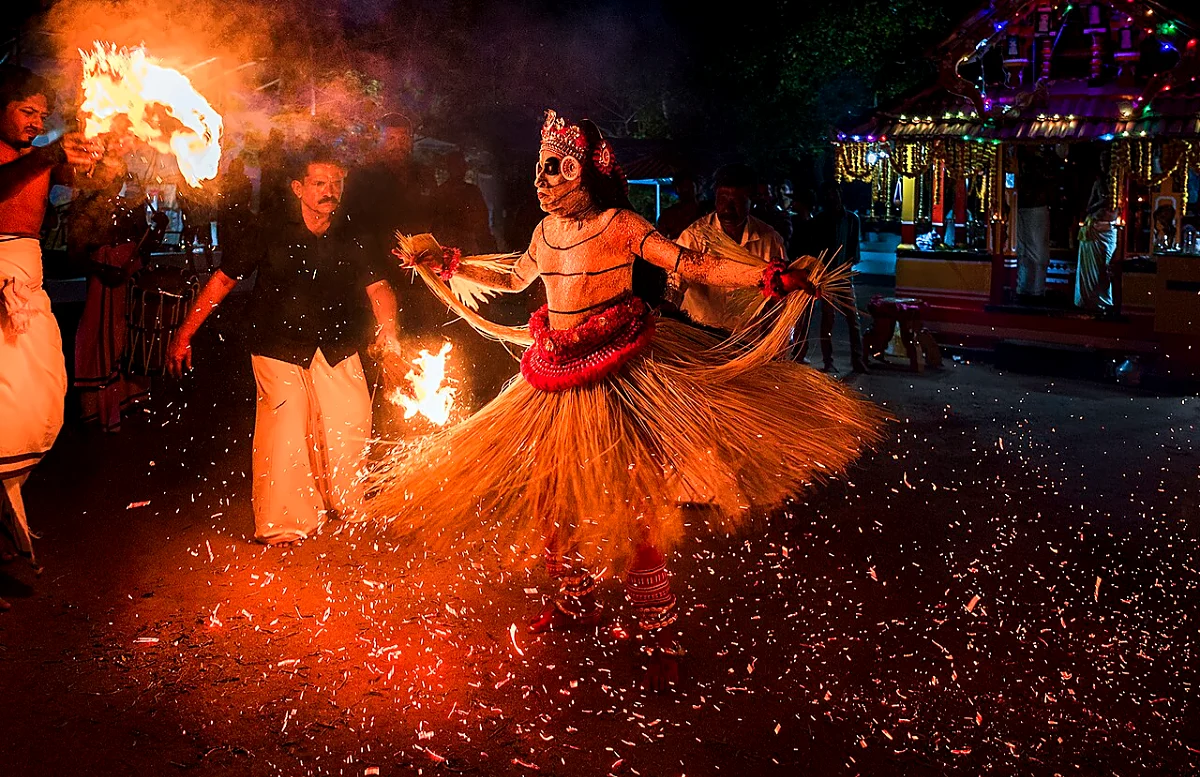
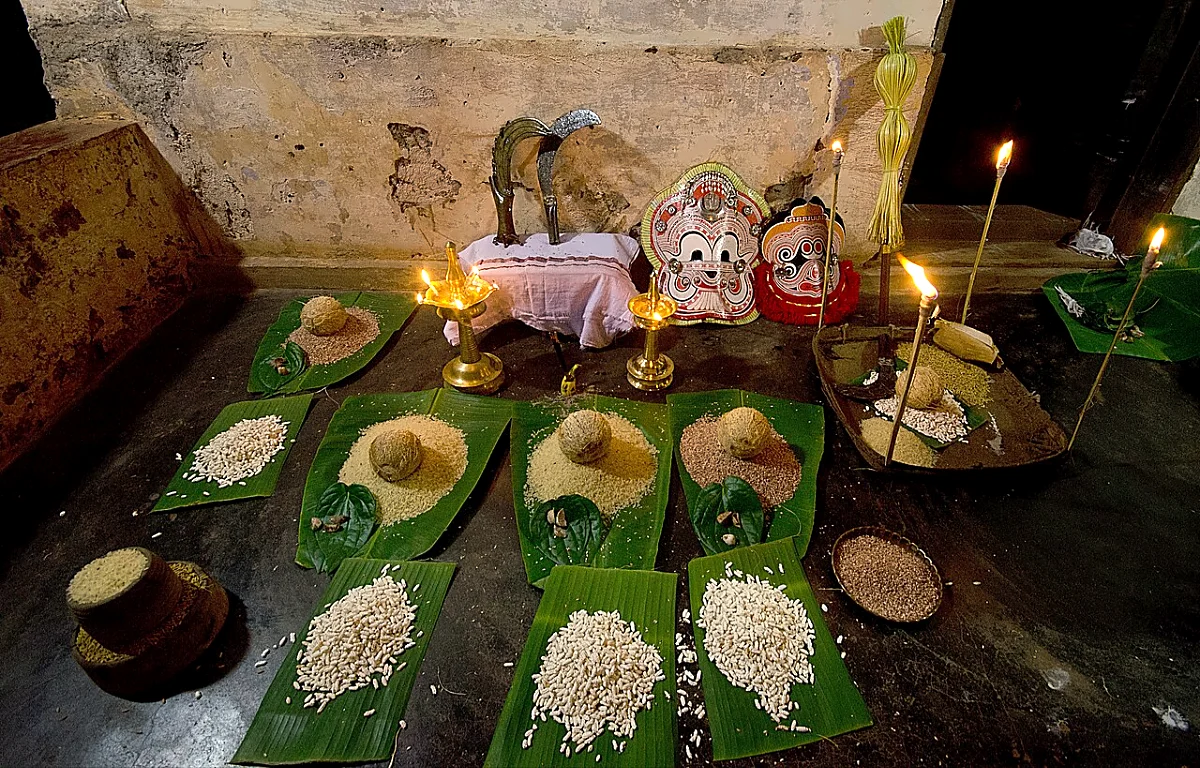
From about the tenth day of the Malayalam month of Thulam (late October) until the middle of Edavam (late May), the shrines and sacred groves (kaavu) of Kannur and Kasaragod come alive at night with theyyam (also called kaliyattam). A performer from one of the hereditary communities, chiefly the Vannan and Malayan, both listed today as Scheduled Castes, spends hours being painted and dressed in towering headdresses of bamboo, palm fronds and cloth, then dances to drums until, in the belief of the worshippers, the deity enters him. For that night, he is the god: people of every caste, including those who would once have kept him at a distance, come to him for blessings and advice.
- There are nearly 400 theyyams: mother goddesses such as Muchilottu Bhagavathi, heroes such as Kathivanoor Veeran, the warrior who died fighting, gods of the forest and of disease, ancestors, and figures such as Pottan, who argues with the high-caste and wins, and Gulikan, a guardian of the dead.
- Before the full theyyam comes the thottam, a recitation of the god's story in song, performed with a smaller headdress and face painting.
- Some theyyams include Muslim characters, such as Bappiriyan and Aali, reflecting centuries of coexistence.
- At Parassinikadavu, on the Valapattanam river, the Muthappan theyyam is performed almost every day of the year, and all are welcome.
Our assessment: what is theyyam, worship or protest?
Theyyam is first of all worship: for the communities who perform and attend it, the god is truly present. But we think it is also one of the most remarkable social institutions in India. In a society that was once among the most caste-ridden in the country, theyyam turned the order upside down for a night: a man from a 'lower' caste became the deity before whom the landlord bowed. Many theyyam stories are about injustice, of heroes killed by the powerful, women wronged, and outcastes who out-argue priests, as in the Pottan theyyam. Theyyam preserved the memory of those who had no other way of being remembered. That is part of why it still draws the young, and why it is as much the heritage of north Malabar as the forts and palaces.
Visiting
- Getting there: Kannur has an international airport (at Mattannur) and is on the west coast railway.
- Theyyam: November to April is the best time; local newspapers and shrine committees publish calendars, and many performances run through the night. Dress modestly, ask before photographing up close, and do not obstruct the performers.
- Also see: the Arakkal Museum and mosque, Payyambalam and Muzhappilangad beaches, the Parassinikadavu Muthappan temple, the handloom weaving cooperatives, and Thalassery and Mahé nearby.
Read also: Thalassery · French India and Mahé · Bekal Fort · Kozhikode and the Zamorins · Old Goa
Read also: our two-part study of theyyam, Part 1: the ritual, artists and costume and Part 2: the gods, their stories and shrines.
See it for yourself, with a local driver who knows these roads.
Book a Munnar Jeep SafariSources & further reading
- Wikipedia: St. Angelo Fort
- Manu S. Pillai: The Arakkal dynasty, legend and legacy
- Kerala Tourism: Arakkal Kettu
- Kerala Tourism: Theyyam
- Kannur district: History
Figures are from the sources listed and were checked in October 2026. Park timings and road conditions change, so please confirm before you travel.