
Thalassery: Pepper, Gundert and the Three Cs of Cricket, Cake and Circus
The East India Company's pepper port on the Malabar coast, a fort Hyder Ali could not take, the German scholar who wrote the Malayalam dictionary, and the town's famous claims to Kerala's first cricket, cake and circus, with old paintings, photographs and our own assessments.
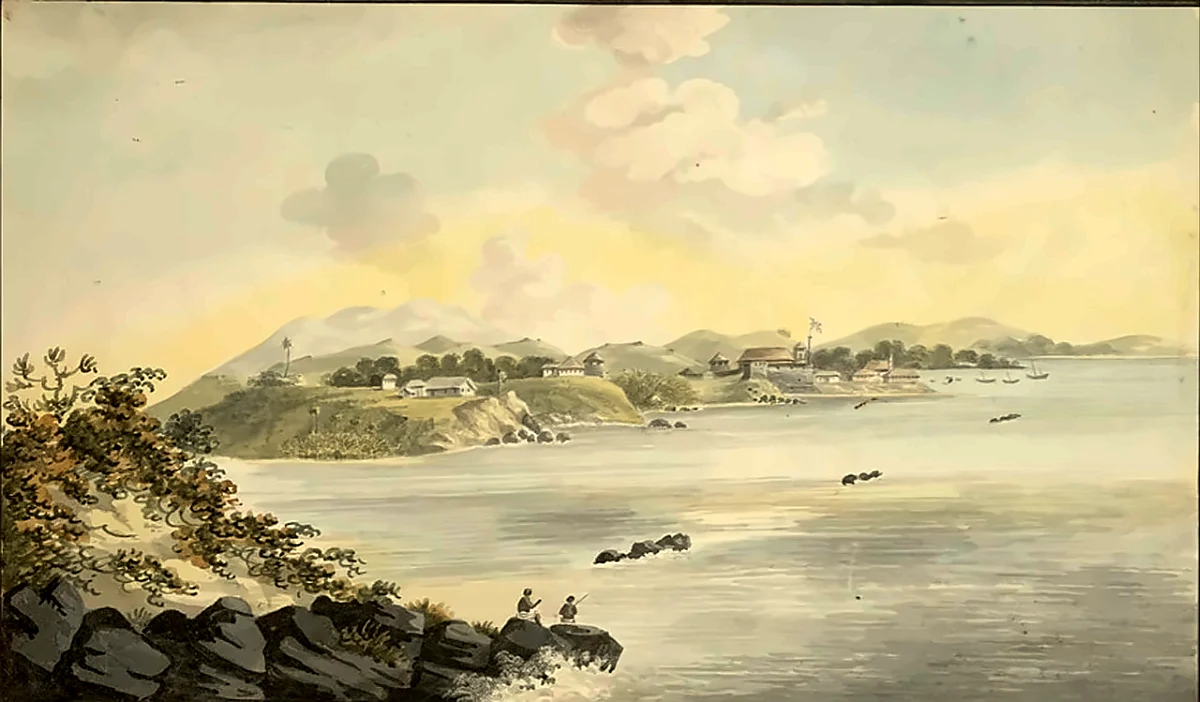
Ten kilometres north of Mahé, on a coast of low red cliffs and rocky coves, lies Thalassery, the British Tellicherry. For more than a century it was the East India Company's main station on the Malabar coast, the place from which the best black pepper in the world was shipped, so famous that "Tellicherry pepper" is still a grade on the world's spice markets. It was the town where the German missionary Hermann Gundert wrote the first Malayalam–English dictionary and published one of the first Malayalam newspapers, and where, local tradition proudly says, Kerala first saw cricket, cake and circus: the "three Cs" of Thalassery.
This article separates the well-documented history from the cherished local legends, with old paintings, photographs and our own assessments.
At a glance
- Where: Kannur district, north Kerala, about 20 km south of Kannur and 10 km north of Mahé.
- East India Company: trading post from 1694; fort granted in 1708.
- Hermann Gundert: lived at Illikkunnu, 1839–1859; Rajyasamacharam (1847); Malayalam–English dictionary (1872).
- The three Cs: cricket (traditionally from about 1800), Kerala's first Christmas cake (1883) and its first circus school (1901).
The pepper port and the fort
Thalassery stood in the borderlands of the Kolathiri rajas of Kolathunadu and the Kottayam (Kottayam-Malabar) rajas, behind which rose the Wayanad hills, the heartland of Malabar pepper. The English East India Company, competing with the Dutch and later the French, set up a trading post here in 1694 with the permission of the Kolathiri prince regent. On 20 August 1708 the prince handed over the fort and the land around it to the Company. Pepper, cardamom, sandalwood and timber were bought from local and Mappila merchants and shipped from here to Bombay and Europe.
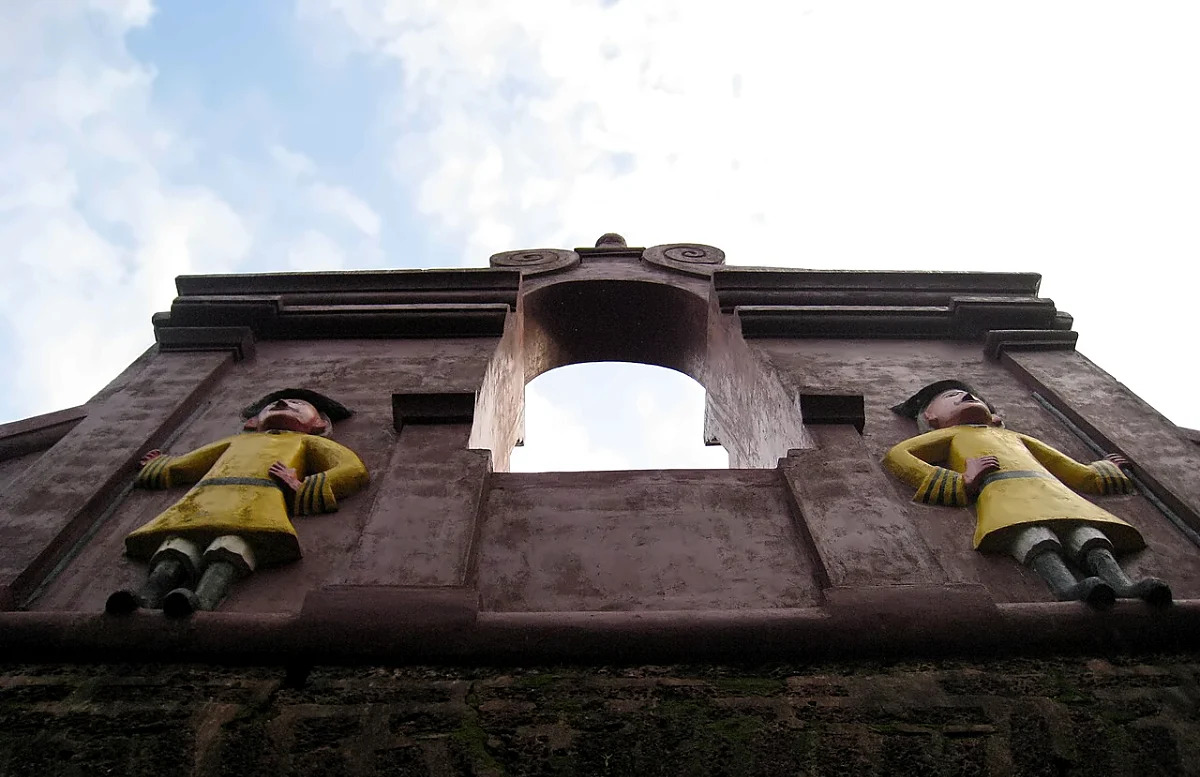
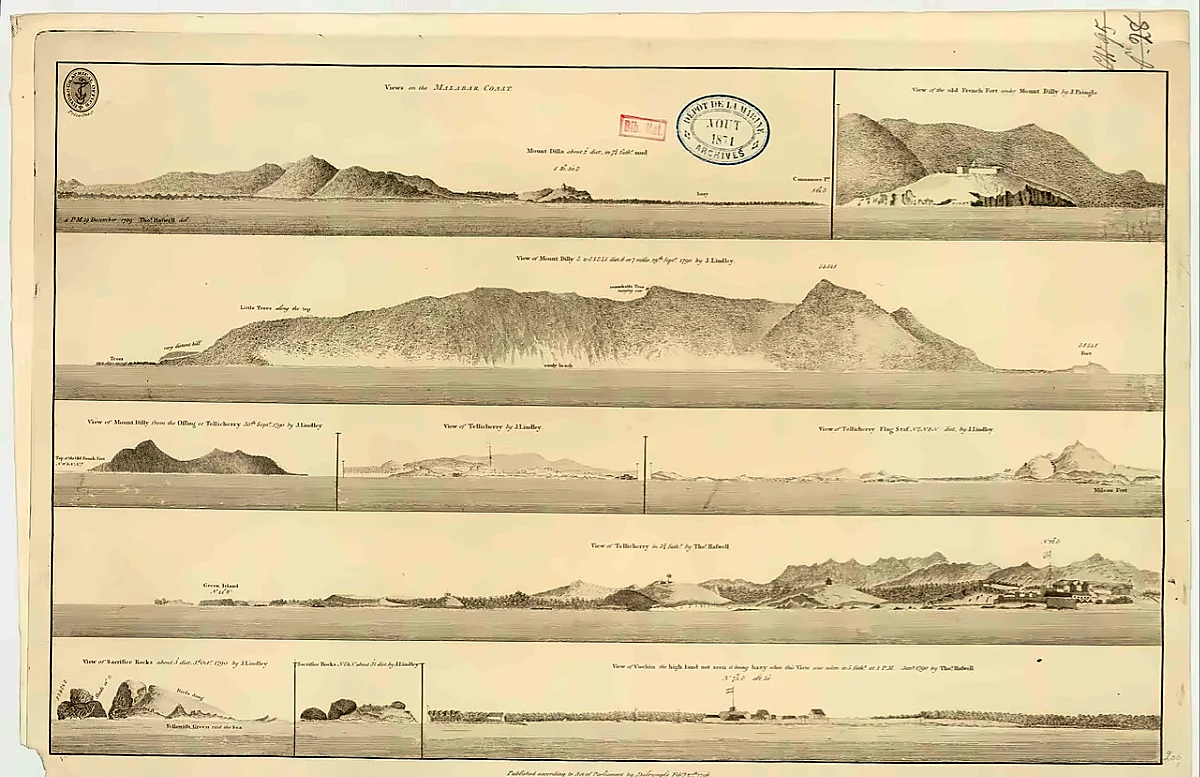
The Tellicherry Fort, an oblong of laterite on a low hill above the sea, with bastions, a fine gateway and, by tradition, secret tunnels to the shore, was strengthened when the French arrived next door at Mahé in the 1720s. The rivalry between the two companies, a few kilometres apart, coloured the town's whole 18th century.
The siege, Pazhassi and Wellesley
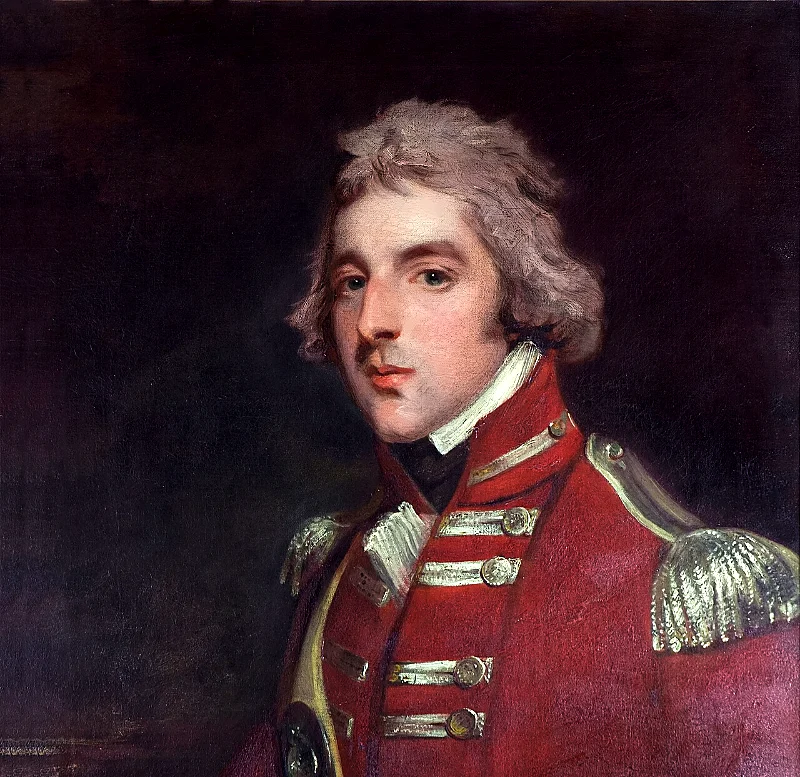
When Hyder Ali of Mysore invaded Malabar in 1766, the Kolathiri raja and many nobles fled to Tellicherry for protection. Between 1779 and 1782 Mysore forces besieged the fort for many months, but it held. Tellicherry was the one major Malabar stronghold that Mysore never captured, and it became the base from which the British fought the Mysore wars on the coast. After Tipu Sultan ceded Malabar in 1792, the Company turned on its own former allies. The Kottayam prince Pazhassi Raja (Kerala Varma) fought a guerrilla war against British rule from the Wayanad forests until his death in 1805. Among the officers sent against him was Colonel Arthur Wellesley, later the Duke of Wellington and victor of Waterloo, who commanded the British forces in Mysore and Malabar around 1800.
In 1797 the Company laid out a spice estate at Anjarakandy, inland from Thalassery, later run by the Scotsman Murdoch Brown; it grew cinnamon, nutmeg, pepper and coffee, and is often called one of the oldest cinnamon plantations in Asia.
Hermann Gundert at Illikkunnu
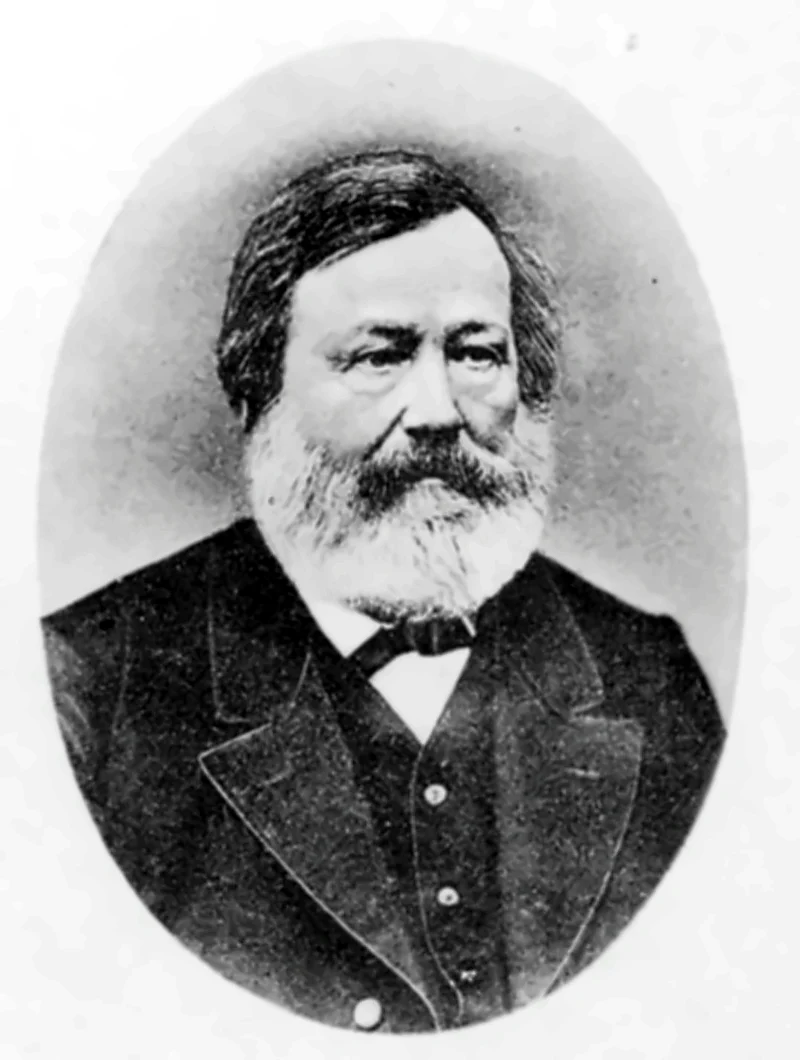
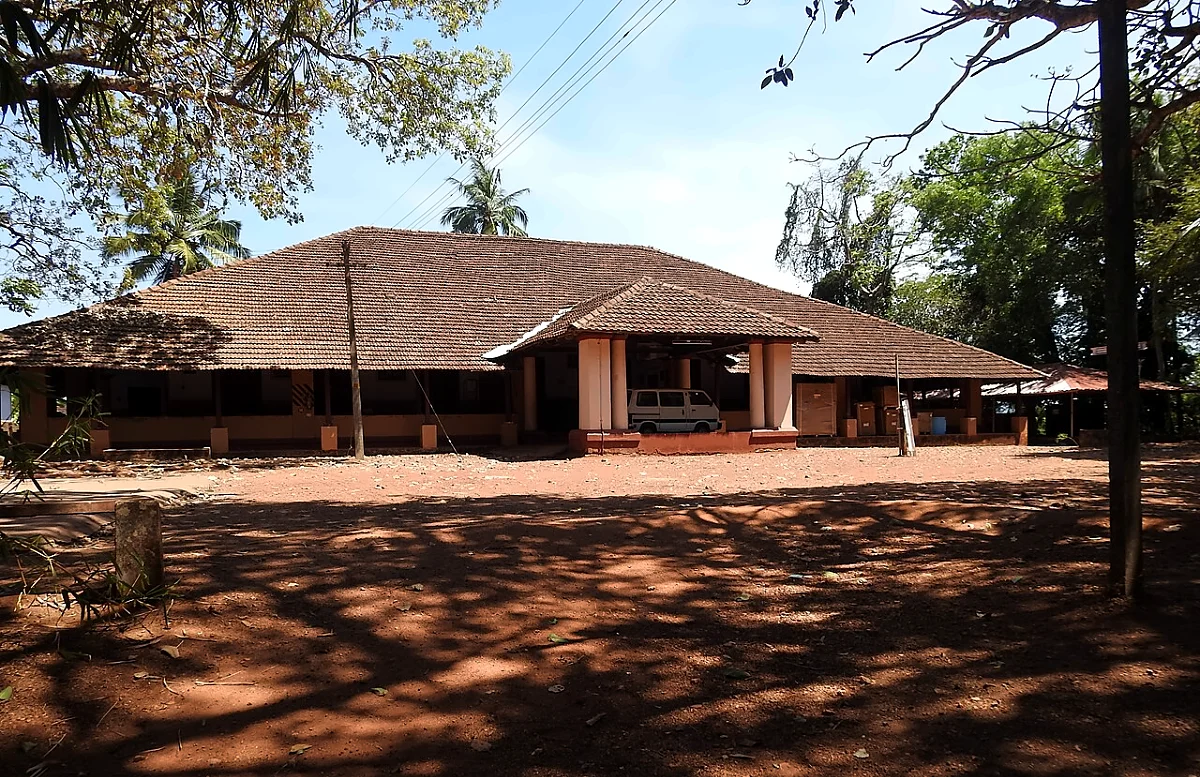
Hermann Gundert (1814–1893), a German scholar and missionary of the Basel Mission, came to Thalassery in April 1839 and settled in a bungalow on Illikkunnu hill. In twenty years there he became one of the founders of modern Malayalam scholarship:
- In June 1847 he began Rajyasamacharam ("News of the Kingdom"), a lithographed monthly that is generally regarded as the first Malayalam newspaper, followed in October 1847 by the journal Paschimodayam.
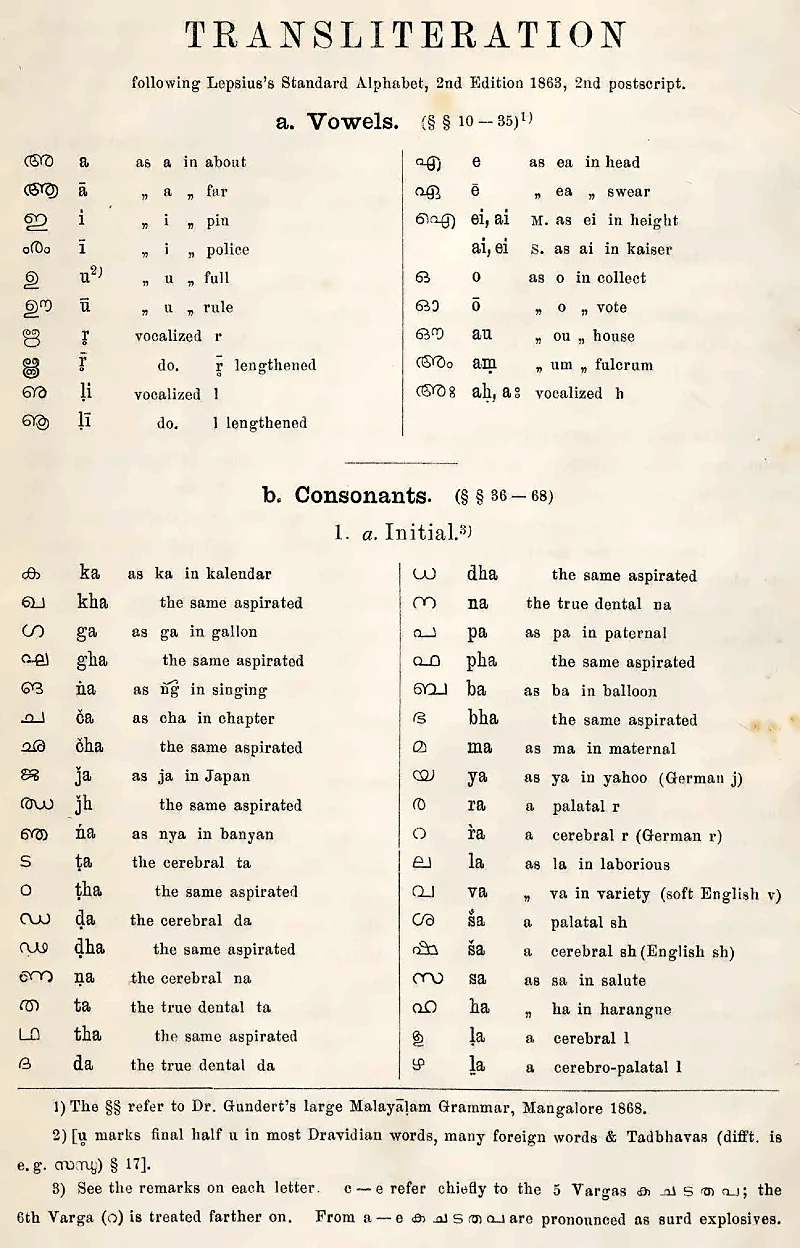
- He published the traditional chronicle Keralolpathi (1843), wrote a Malayalam grammar, and translated the Bible.
- After returning to Germany in 1859, he completed his great Malayalam–English Dictionary (Mangalore, 1872), which recorded the meanings, origins and literary uses of thousands of words. Scholars still use it.
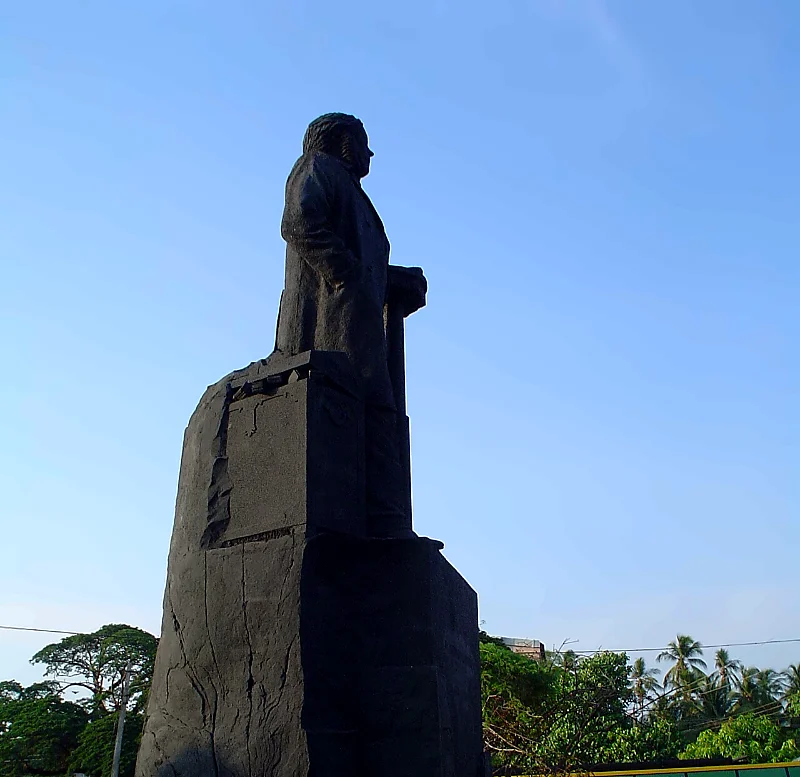
Gundert's grandson, through his daughter Marie, was the German novelist Hermann Hesse, the author of Siddhartha, whose fascination with India owed much to his grandfather. The Gundert Bungalow at Illikkunnu, in Nettur, was opened as a museum by Kerala Tourism in 2022, and a statue of Gundert stands in Thalassery town.
The three Cs
Cricket
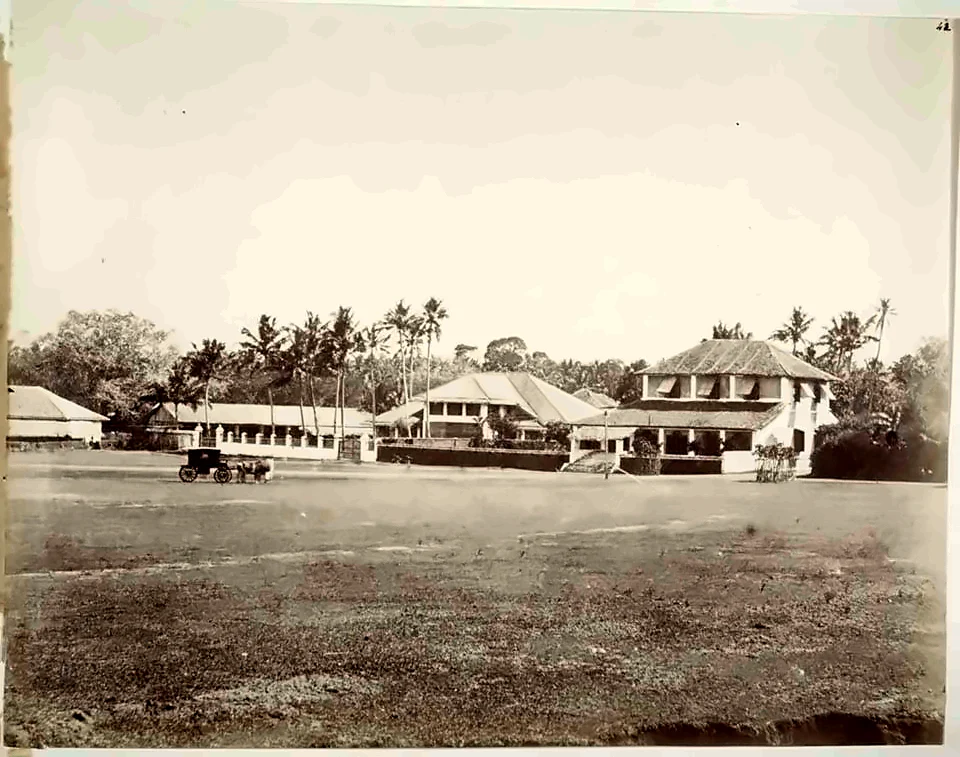
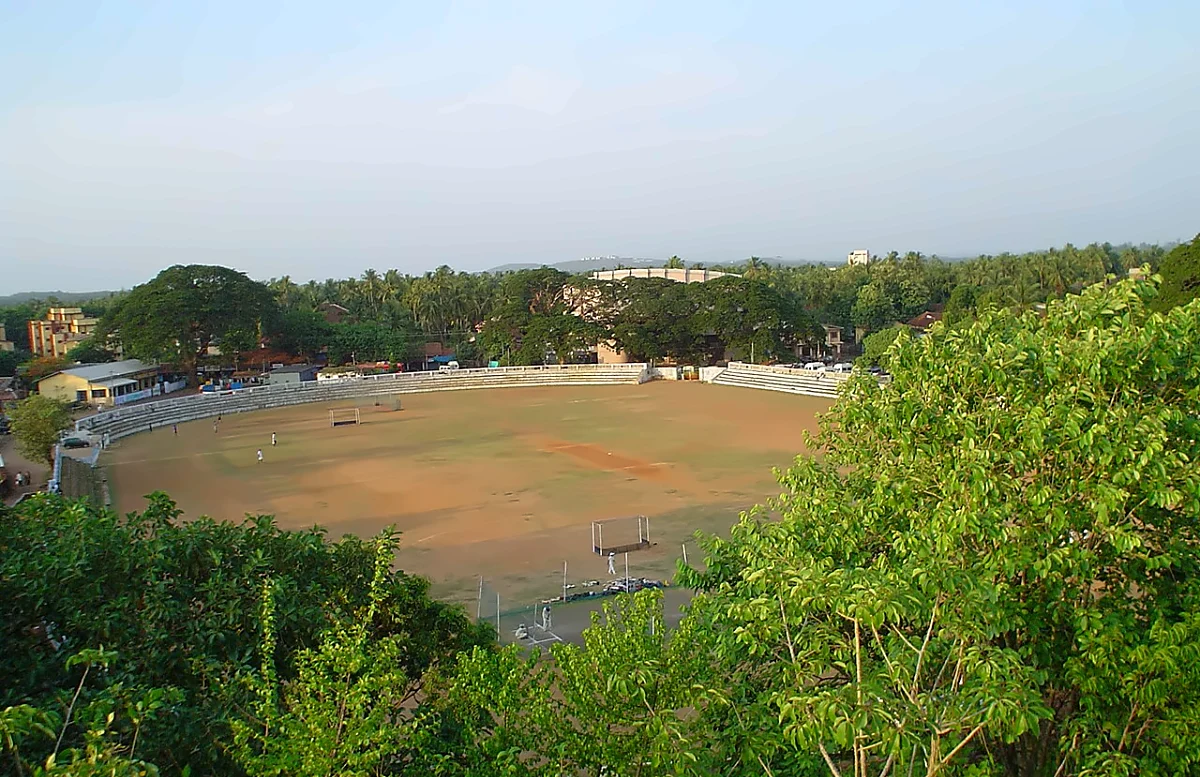
Thalassery calls itself the cradle of cricket in Kerala, and some go further and claim it saw the first cricket played in India. The local tradition is that Arthur Wellesley's officers, short of players, taught the game around 1800 to local men who worked for them, on the open maidan by the fort. The town's cricket ground celebrated its bicentenary in 2002 with a match between Indian and Sri Lankan veterans, and Thalassery has a long tradition of club cricket.
Cake
Mamballi Bapu, who had learned baking in Burma, opened his Royal Biscuit Factory in Thalassery in 1880. In December 1883 Murdoch Brown of the Anjarakandy estate brought him a plum cake from England and asked him to make one like it. Bapu used local ingredients, including, the story goes, a local brew in place of French brandy, and produced what is remembered as the first Christmas cake made in India by an Indian baker. The Mamballi family's bakeries later spread across Kerala.
Circus
Keeleri Kunhikannan (1858–1939), a gymnastics teacher at the Basel Evangelical Mission school in Thalassery, was so inspired by a visiting circus in 1888 that in 1901 he opened a circus school at Chirakkara, the first in Kerala. His pupil Pariyali Kannan founded the Malabar Grand Circus in 1904, and other students went on to create famous Indian circus companies, among them Gemini Sankaran, founder of the Gemini and Jumbo circuses. For most of the 20th century, most Indian circus artistes came from the Thalassery area.
Our assessment: legend and evidence in the three Cs
- Cricket: British officers and soldiers almost certainly played cricket in Tellicherry by around 1800, and the town has an unusually old cricket tradition. But the claim that it was the first cricket in India cannot be right: the British were playing cricket at Cambay in Gujarat as early as 1721, and the Calcutta Cricket Club dates from the 1790s. The story of Wellesley personally teaching local men is a tradition, not a documented fact. We would say: 'one of the oldest cricket traditions in India, and the cradle of cricket in Kerala'.
- Cake: the 1883 story comes from the Mamballi family and local tradition, and is widely accepted. It is very likely that British households in India had baked plum cakes before, so the honest claim is the first Christmas cake commercially baked by an Indian baker, as far as we know.
- Circus: this is the best documented of the three. Keeleri Kunhikannan's school (1901) and the Malabar Grand Circus (1904) are well recorded, and Thalassery's role in the Indian circus is beyond doubt.
The town today
- Tellicherry Fort, a protected monument of the Archaeological Survey of India since 1921, with a lighthouse on the site of an old redoubt.
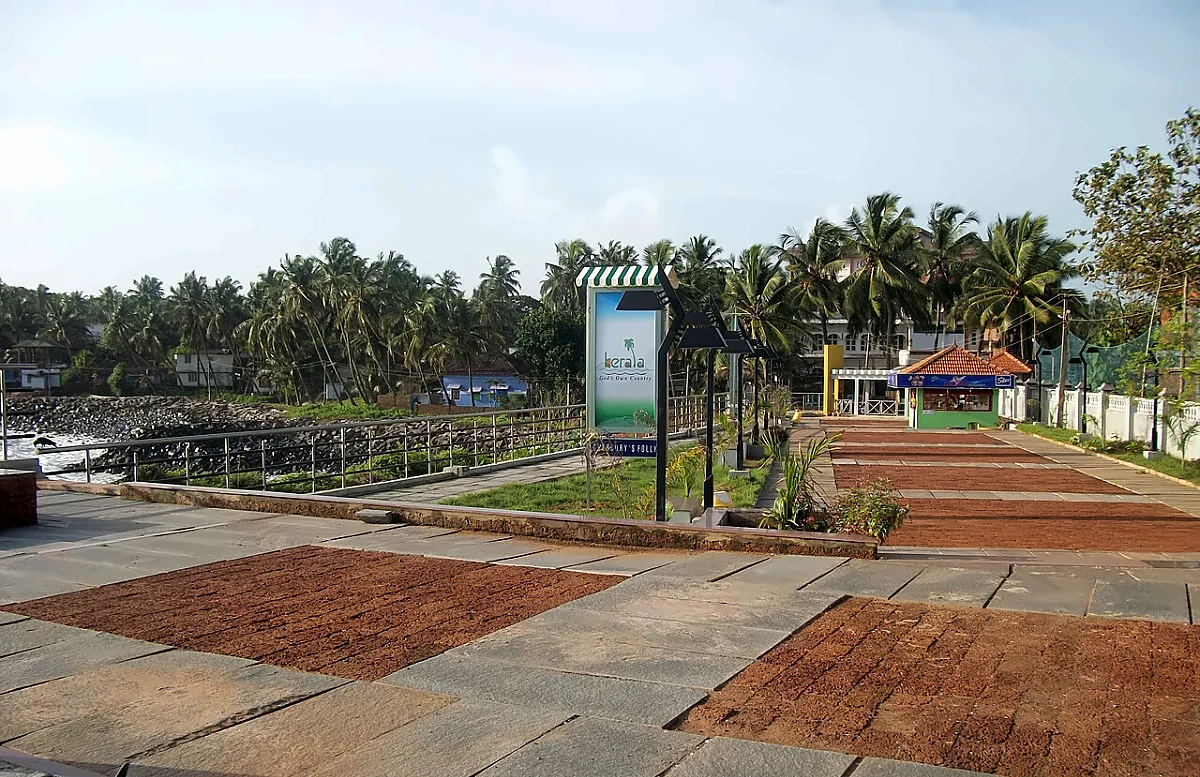
- Overbury's Folly, a seaside promenade named after E. N. Overbury, a 19th-century British judge whose plan for a seafront park was never completed; today a pleasant cliff-top park.
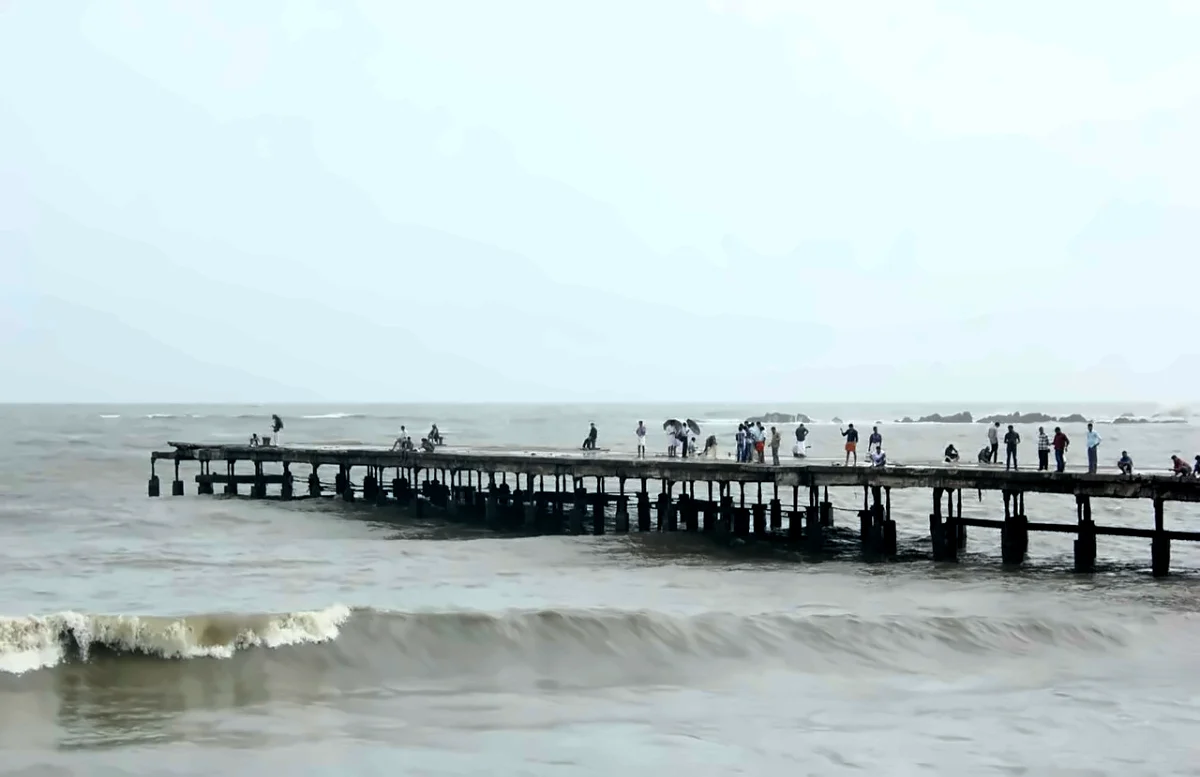
- The old sea pier (kadalpalam), the Gundert Bungalow at Nettur, St John's Anglican church with its old graves, and the Odathil mosque.
- Muzhappilangad, one of India's longest drive-in beaches, and Dharmadam island, a few kilometres away.
- Thalassery's famous biriyani, made with small-grained kaima rice, and its snacks, sweets and cakes.
Visiting
- Getting there: Thalassery is on the main railway line between Mangaluru and Kozhikode; Kannur International Airport is about 25 km away.
- Combine with: Mahé (10 km south), Muzhappilangad beach, Dharmadam, the Gundert Bungalow and Kannur's Arakkal and St Angelo fort.
- Best time: October to March; this is also theyyam season in the villages around.
Read also: French India: Pondicherry and Mahé · Black pepper, the king of spices · Kozhikode and Kappad · Bekal Fort · O. V. Vijayan and Khasak
See it for yourself, with a local driver who knows these roads.
Book a Munnar Jeep SafariSources & further reading
- Wikipedia: History of Thalassery
- Wikipedia: Tellicherry Fort
- Wikipedia: Hermann Gundert
- Kerala Tourism: Gundert Bungalow
- The News Minute: How Mambally Bapu baked the first Christmas cake in 1883
- Wikipedia: Keeleri Kunhikannan
- Wikipedia: Thalassery Stadium
Figures are from the sources listed and were checked in October 2026. Park timings and road conditions change, so please confirm before you travel.