
French India: Pondicherry, Mahé and France's Peaceful Exit
Dupleix's dream of an Indian empire, a town razed and rebuilt on a grid, and Mahé, Kerala's own small piece of France, which freed itself in July 1954. The story of French India and how it joined the Indian Union by referendum and treaty, with old maps, engravings and photographs.
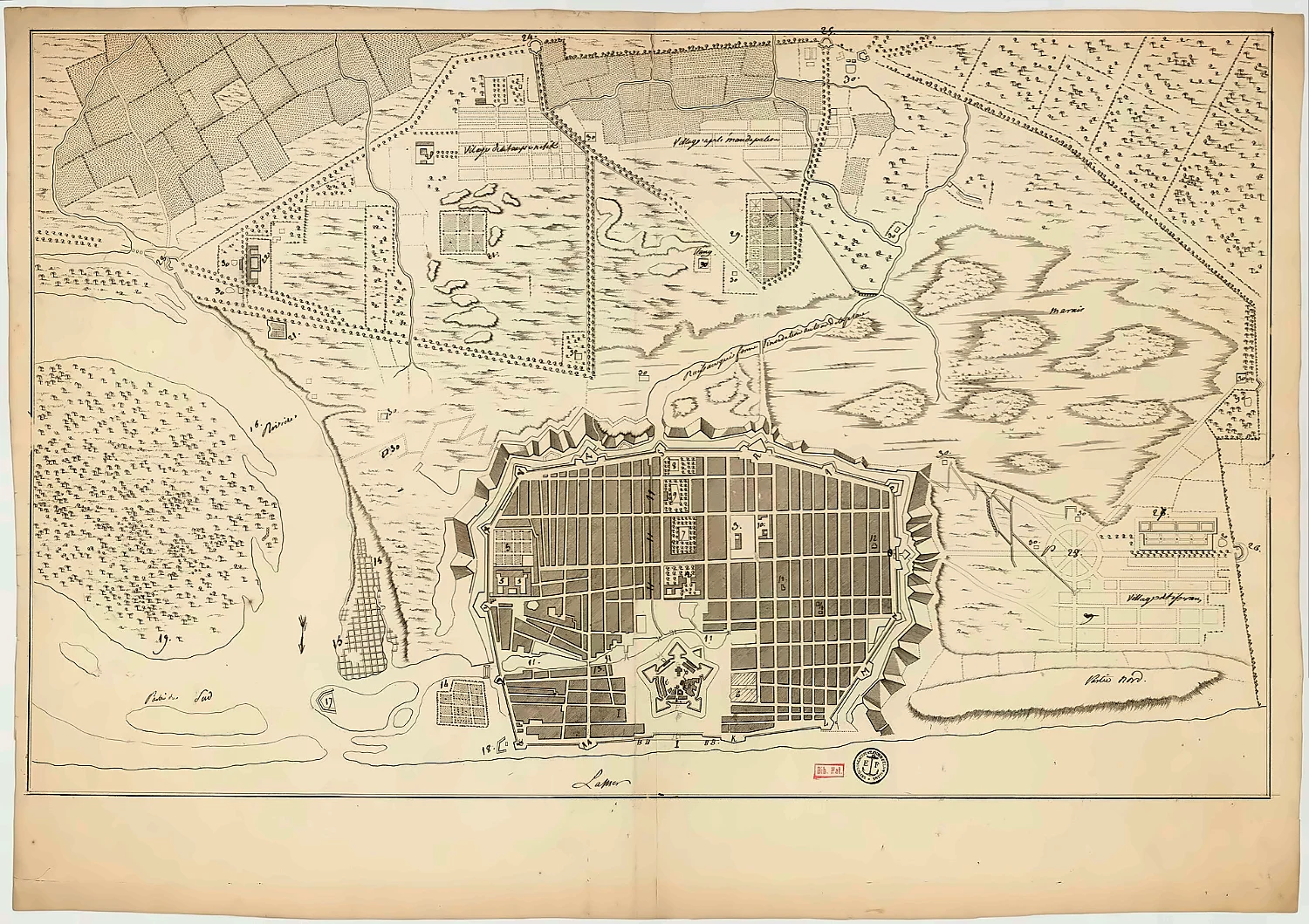
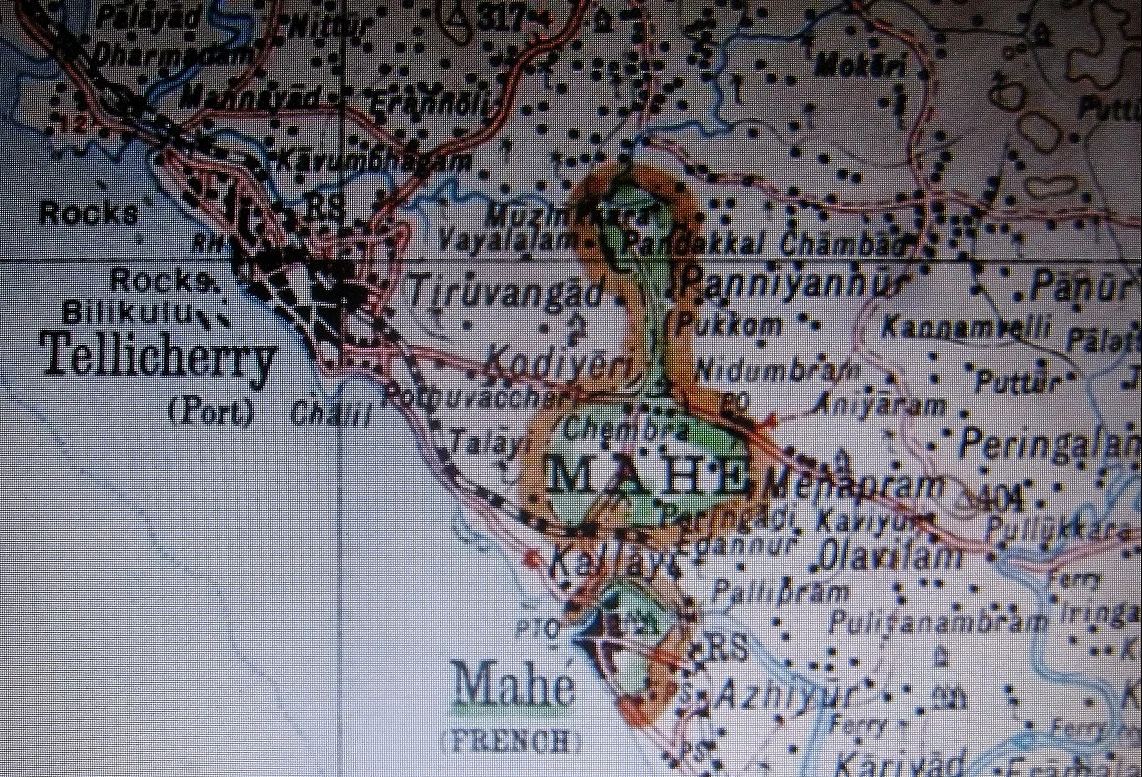
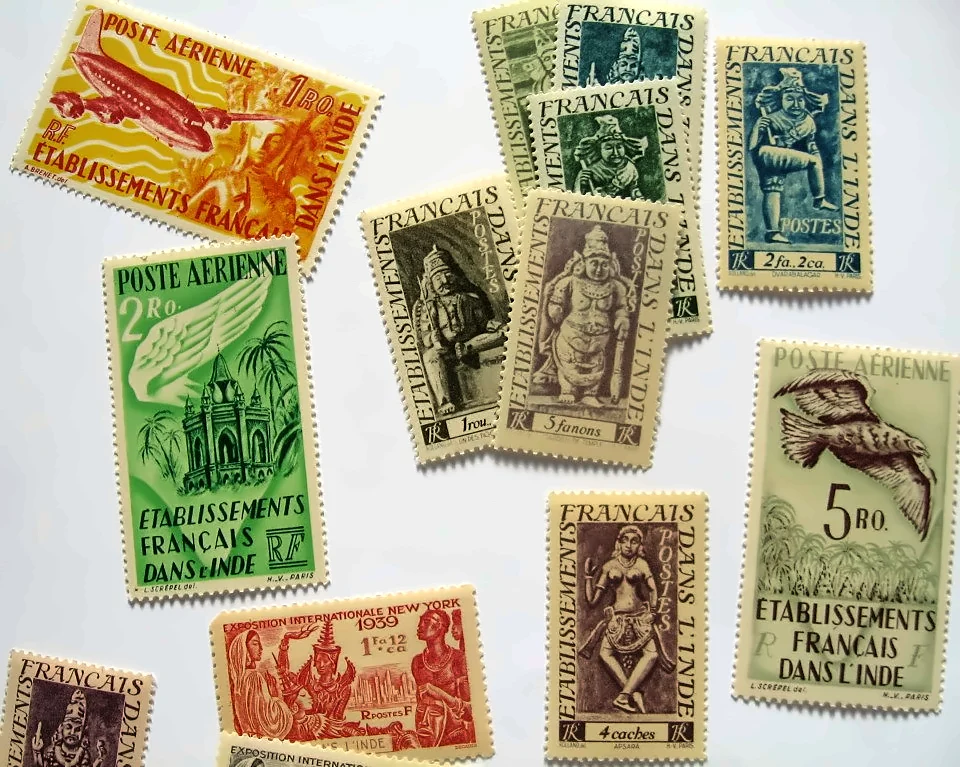
When India became independent in August 1947, not all of the subcontinent was free. France still held five small territories: Pondicherry, Karaikal and Yanam on the east coast, Chandernagore in Bengal, and Mahé, on the coast of north Kerala, between Thalassery and Vadakara. These were the remains of les Établissements français dans l'Inde, the French Establishments in India, and of a French dream, in the 1740s, of an empire in India that briefly seemed more likely than Britain's.
Unlike Portugal in Goa, France left peacefully, through referendum and treaty, between 1950 and 1962. This article tells the story of French India, with a special place for Mahé, Kerala's own small piece of France, using old maps, engravings and photographs, and our own assessments.
At a glance
- The five settlements: Pondicherry (1674), Chandernagore (1690s), Mahé (1720s), Karaikal (1739) and Yanam (1720s–1730s).
- Peak of French power: under Governor Joseph-François Dupleix, 1742–1754.
- Freedom: Chandernagore voted to join India in 1949; Mahé was freed on 16 July 1954; the four southern settlements were transferred de facto on 1 November 1954 and de jure on 16 August 1962.
- Today: Pondicherry, Karaikal, Mahé and Yanam form the Union Territory of Puducherry; Chandernagore (Chandannagar) is part of West Bengal.
The French arrive
France was a latecomer to the India trade. Its Compagnie des Indes Orientales was founded in 1664 by Colbert, minister of Louis XIV. In 1674 François Martin obtained a small coastal village, Puducherry, from the local governor of the Bijapur Sultanate, and built it into a trading town. The Dutch captured it in 1693 and handed it back under the Treaty of Ryswick in 1697; Martin returned and laid out the town afresh. Chandernagore on the Hooghly, Mahé in Malabar and Karaikal in the Kaveri delta followed.
Dupleix and the dream of an empire
Joseph-François Dupleix, governor at Pondicherry from 1742, was the first European to see that the quarrels of Indian princes could be used to build an empire. When war broke out with Britain, the French admiral Mahé de La Bourdonnais captured Madras (1746). In 1748 Pondicherry survived a long British siege. In the Carnatic Wars that followed, Dupleix placed his allies on the thrones of Hyderabad and the Carnatic, and for a few years France was the strongest European power in the south.
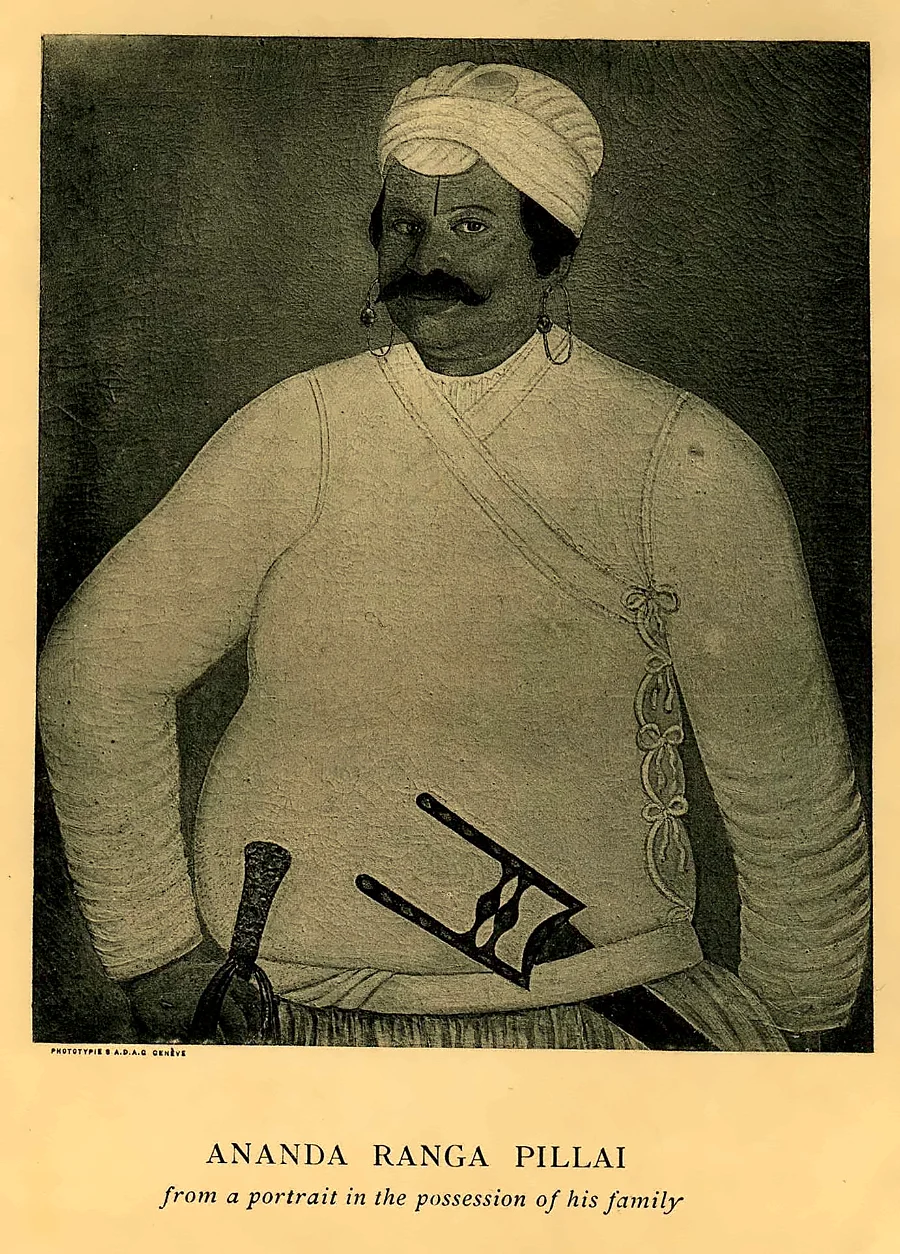
The best witness to this world is Ananda Ranga Pillai (1709–1761), Dupleix's chief interpreter (dubash) and agent. From 1736 to his death he kept a detailed diary in Tamil, recording trade, court intrigue, sieges and daily life. It is one of the most valuable historical documents of 18th-century India.
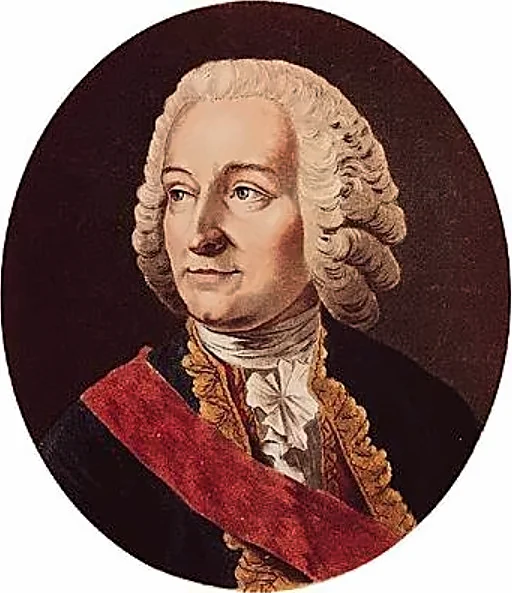
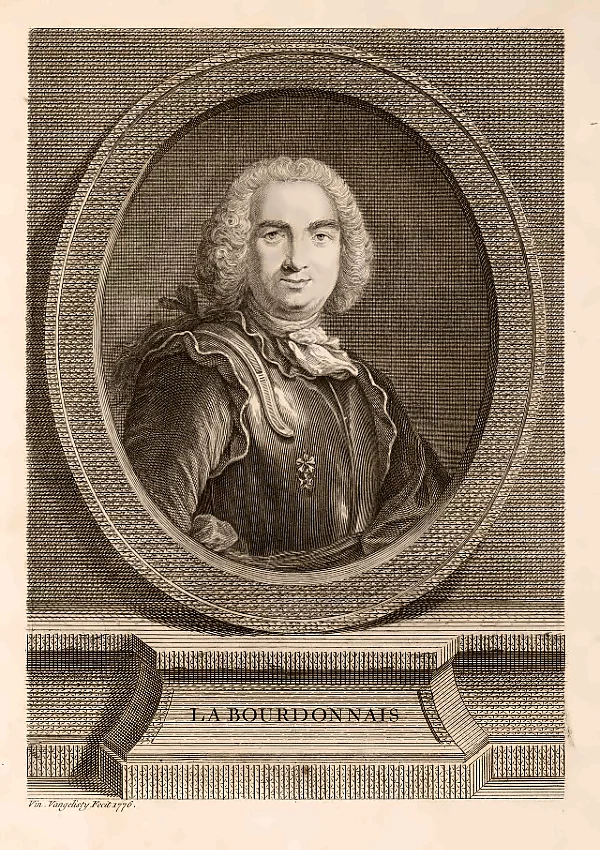
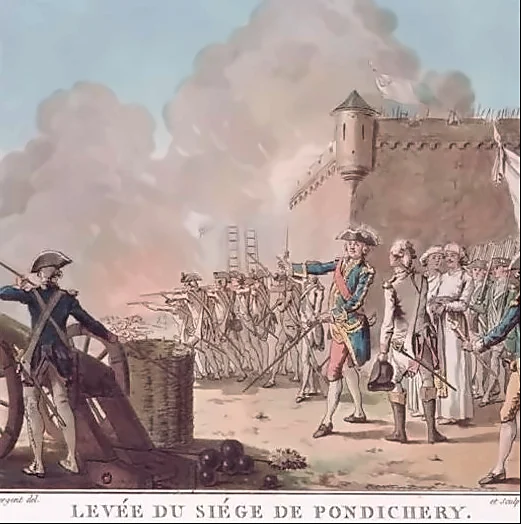
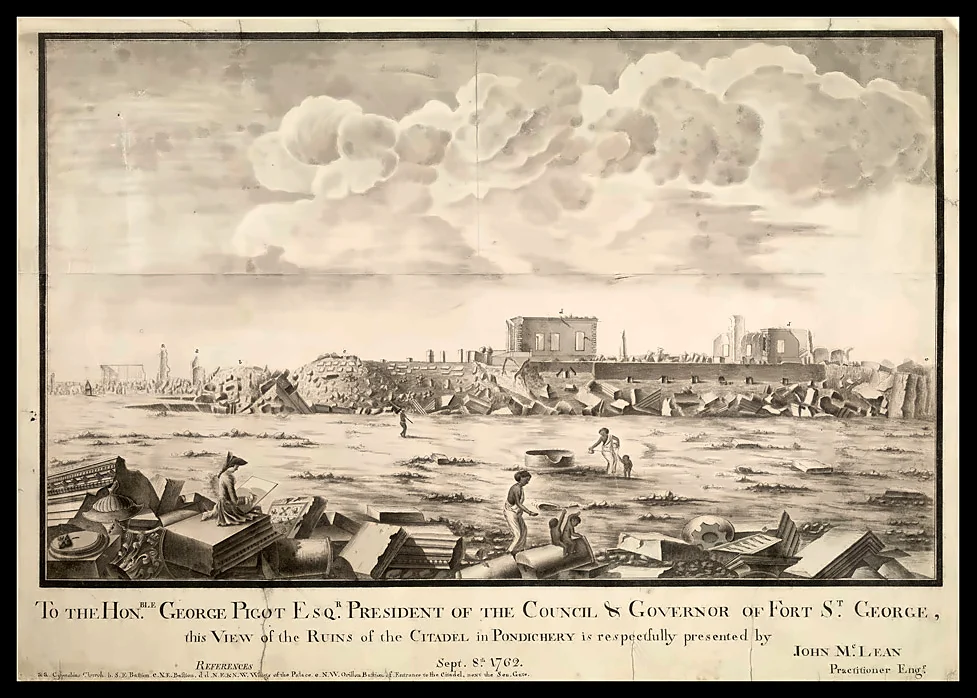
But the French government in Paris disliked the cost of Dupleix's wars, and recalled him in 1754; he died poor and forgotten. The British, led by Robert Clive, gained the upper hand. In 1761, after a long siege, Pondicherry surrendered to the British, who razed it to the ground. When the town was returned to France in 1765, it was rebuilt on its old grid, and the levelled ramparts became the boulevards that still encircle the old town. It was captured again in 1778 and 1793, and returned for the last time in 1816. From then on France kept only its five small settlements, under British supremacy.
Our assessment: why did France lose India?
Dupleix had the vision, and in the 1740s France had the stronger local allies. We think France lost for three reasons. First, the French state controlled its company and cared more about Europe than India, while the English East India Company was a private enterprise with its own money and army. Second, Britain had naval superiority: whoever controlled the sea could reinforce and supply their forts. Third, Britain won Bengal at Plassey in 1757, whose revenues paid for the wars in the south. Dupleix's genius was real, but he was fighting with one hand tied.
Pondicherry: White Town and Black Town
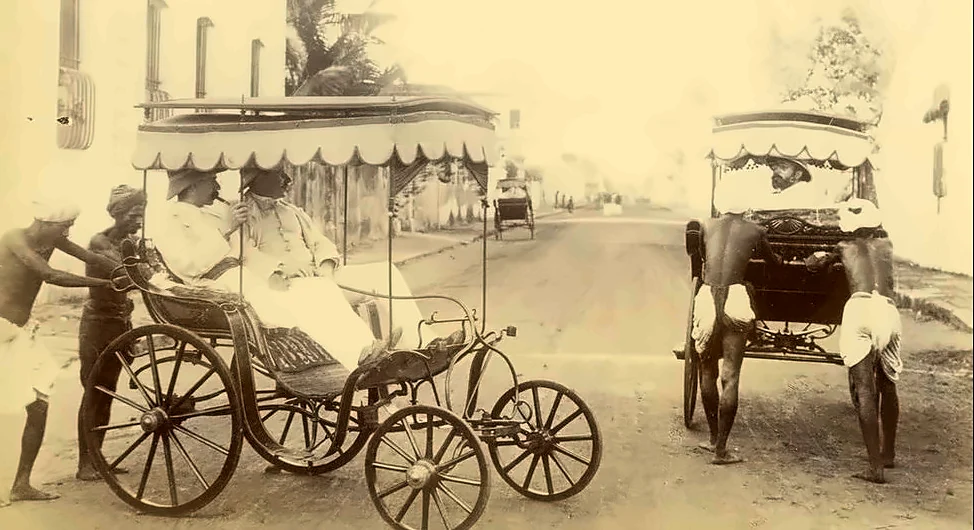
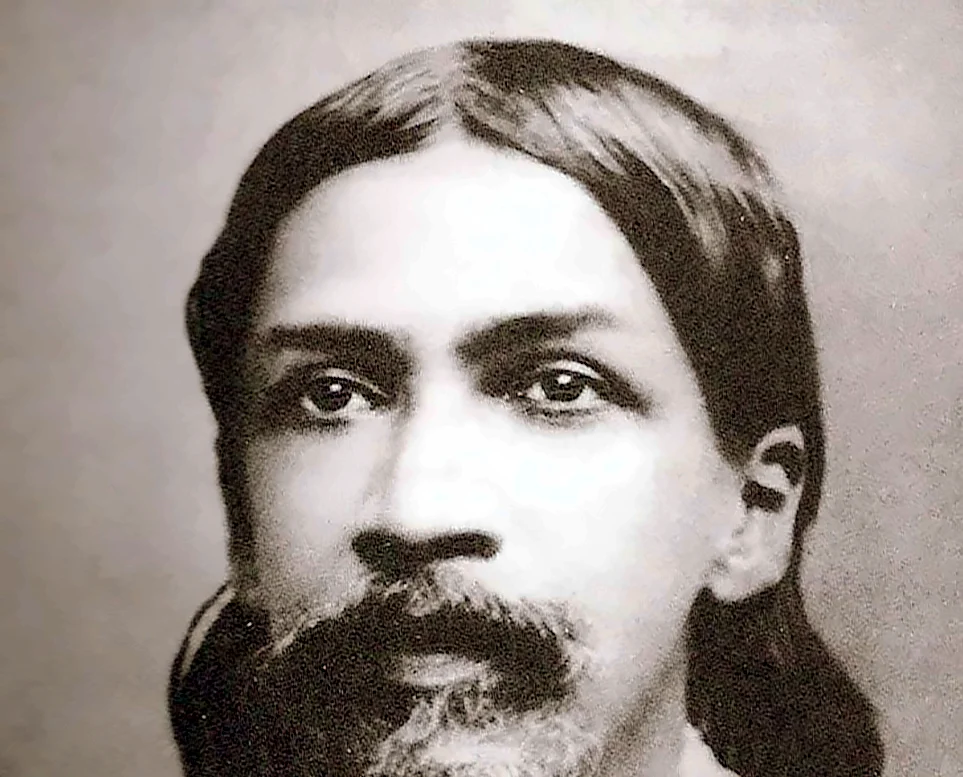
The rebuilt Pondicherry was a planned town on a grid, divided by a canal into the Ville Blanche (White Town) by the sea, where the French lived, and the Ville Noire (Black Town) behind it, the Tamil quarter. That division is still visible in the colours and architecture: French villas with high walls and bougainvillea on one side, Tamil houses with verandas and thinnai on the other. In the early 20th century Pondicherry also became a refuge for Indian nationalists escaping British arrest: the poet Subramania Bharati lived there from 1908 to 1918, and Sri Aurobindo arrived in 1910 and founded his ashram, later joined by Mirra Alfassa, "the Mother", who founded Auroville in 1968.
Mahé: Kerala's French corner
Mahé, known in Malayalam as Mayyazhi, sits where the Mayyazhi river meets the sea, in the old pepper country of north Malabar. The French came here in 1721, when an agreement with the local ruler, the Vazhunnavar of Badagara (Vadakara), allowed them a factory; they built a fort in 1724, and after a war in 1725 they took control of the town. Pepper, cardamom and sandalwood were exported from here. A popular story says the town was named after Mahé de La Bourdonnais, who took part in the 1725 fighting; in fact the name almost certainly comes from Mayyazhi itself, which early French records spell Mayé.
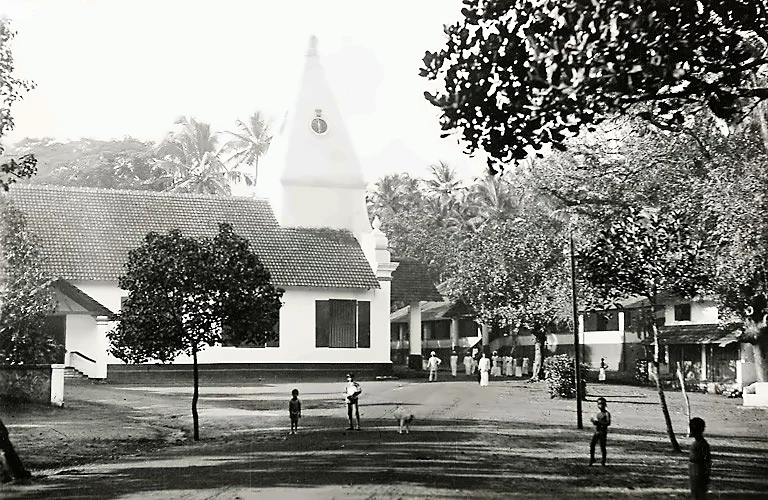
Mahé changed hands several times, being captured by the British in 1761, 1779 and 1793, and was finally returned to France in 1816. For more than a century afterwards it was a tiny French enclave inside British Malabar, with French law, French schools, French and Malayalam spoken together, and a French administrator. Its landmark, St Teresa's church, dates from 1736 and its October feast still draws pilgrims from all over Kerala. Mahé is also immortalised in Malayalam literature: M. Mukundan, who was born there, wrote Mayyazhippuzhayude Theerangalil (On the Banks of the Mayyazhi, 1974), one of the best-loved Malayalam novels, about the town's last years under France.
The freedom struggle in Mahé
After 1947 the people of the French settlements, surrounded by free India, began to demand union with it. In Mahé the movement was led by I. K. Kumaran (1903–1999), a Gandhian teacher known as "Mahé Gandhi", and the Mahajana Sabha.
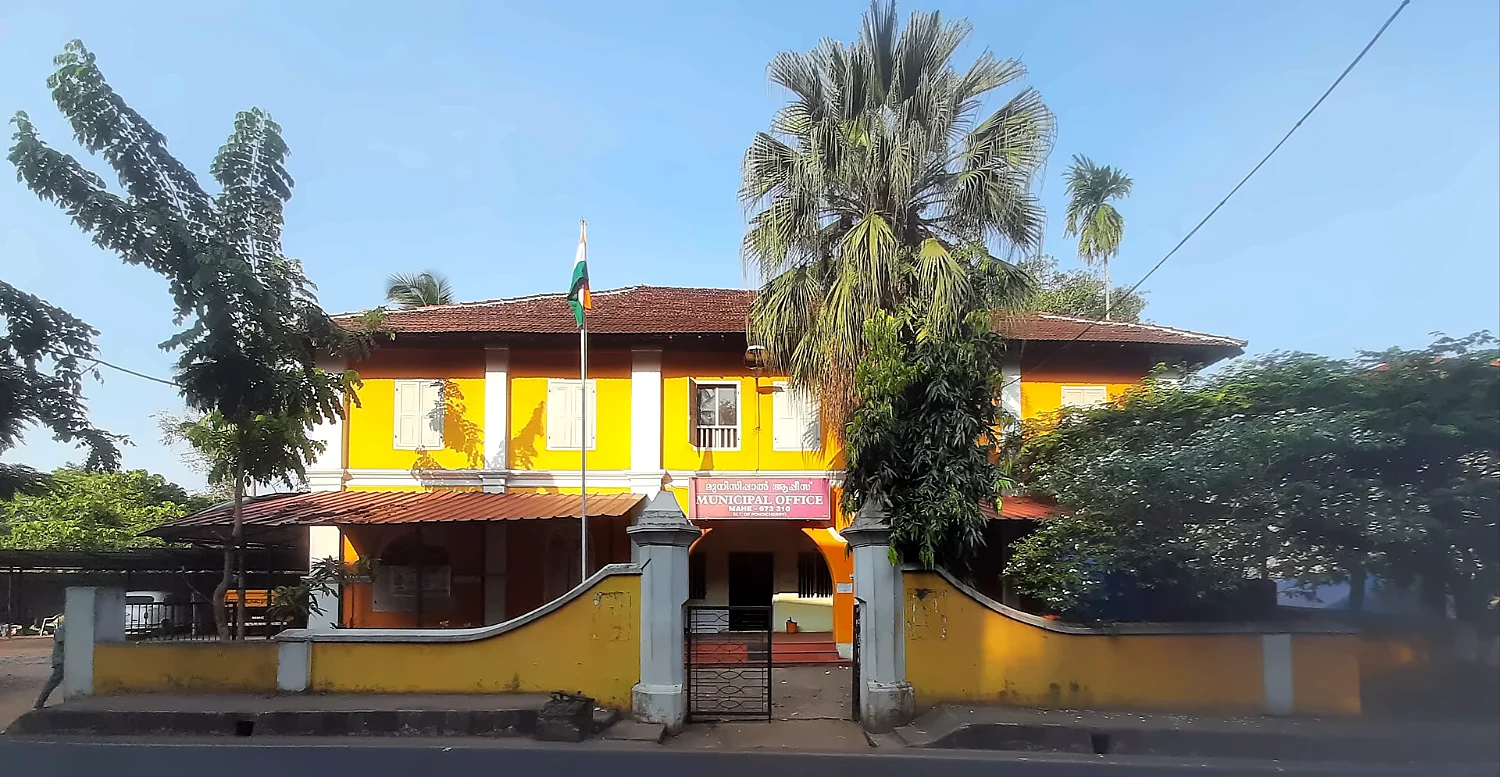
- On 21 October 1948, demonstrators took over the municipal office, pulled down the French flag and hoisted the Indian tricolour. Five days later a French warship arrived and restored French control.
- In 1954 the movement grew: the Indian flag was raised in the Naluthara enclaves in May, and from June an economic blockade cut off the town.
- On 14 July 1954, France's national day, the Mahajana Sabha led a mass march into Mahé. Two days later, on 16 July 1954, the French administrator left, and Mahé was free. I. K. Kumaran took charge as its administrator until the formal transfer.
Yanam had been taken over by pro-merger activists in June 1954, and in Pondicherry the pressure for merger was led by Congress leaders and by the former pro-French politician Edouard Goubert, who changed sides.
Referendum and treaty
France's approach was different from Portugal's. In 1949 a plebiscite in Chandernagore voted overwhelmingly to join India, and it was handed over in 1950 (and merged with West Bengal in 1955). For the four southern settlements, France held a vote of the elected municipal and representative councillors at Kizhoor, near Pondicherry, on 18 October 1954: 170 of the 178 voted for merger with India. On 1 November 1954, Pondicherry, Karaikal, Mahé and Yanam were transferred to India de facto, a day still celebrated as Liberation Day in Puducherry.
A Treaty of Cession was signed by Nehru and the French ambassador on 28 May 1956, but France ratified it only on 16 August 1962, after the end of its war in Algeria, completing the de jure transfer. Residents were allowed to choose French citizenship, which is why Pondicherry and Mahé still have families with French passports, French pensioners, and a French consulate in Pondicherry. In 1963 the four settlements became the Union Territory of Pondicherry (renamed Puducherry in 2006). Mahé, though surrounded by Kerala, remains a district of Puducherry, 650 km from its capital.
Our assessment: why did France leave peacefully when Portugal did not?
Both were European colonial powers facing the same demand, yet France chose a referendum and Portugal chose war. We think the difference lay in their circumstances. France in the early 1950s was a parliamentary democracy, already fighting costly colonial wars in Indochina and soon in Algeria; its Indian settlements were tiny, unprofitable and indefensible, and keeping good relations with India mattered more. Salazar's Portugal was a dictatorship whose ideology claimed that its colonies were part of the nation itself, and giving up Goa would have threatened its hold on Angola and Mozambique. France's peaceful exit also left goodwill: French culture, language and links have survived in Pondicherry and Mahé as a shared heritage rather than a bitter memory.
Visiting
- Mahé: on the main road and railway between Kannur and Kozhikode, about 6 km south of Thalassery. See St Teresa's church, the riverside walkway, the old French buildings and the Mahé beach. Because it is a union territory, fuel and some goods are cheaper here, which explains the busy fuel stations on the highway.
- Pondicherry: about 160 km south of Chennai. Walk the White Town streets, the seafront Promenade, the French War Memorial, the Sri Aurobindo Ashram and the Pondicherry Museum, and visit Auroville and the Roman-era trading site of Arikamedu nearby.
- Best time: October to March. Mahé's St Teresa feast is in mid-October.
Read also: Old Goa and the last colony · Kozhikode and the Zamorins · Bekal Fort · Fort Kochi · Black pepper
Read also: O. V. Vijayan and the Legends of Khasak
Read also: Thalassery: pepper, Gundert and the three Cs
See it for yourself, with a local driver who knows these roads.
Book a Munnar Jeep SafariSources & further reading
- Wikipedia: Mahé, India
- Wikipedia: I. K. Kumaran
- Mahé administration: History
- Wikipedia: Treaty establishing de jure cession of French establishments in India
- Raj Nivas, Puducherry: History of Pondicherry
Figures are from the sources listed and were checked in October 2026. Park timings and road conditions change, so please confirm before you travel.