
Fort Kochi: Five Centuries of Kings, Traders and Empires on One Small Peninsula
The first European fort in India, the church where Vasco da Gama was buried, a Dutch book that put Kerala's plants before the scientists of Europe, a palace of murals, and fishing nets whose origin nobody can prove. A history of Fort Kochi from the documents, old maps and prints, with our own reading of the evidence.
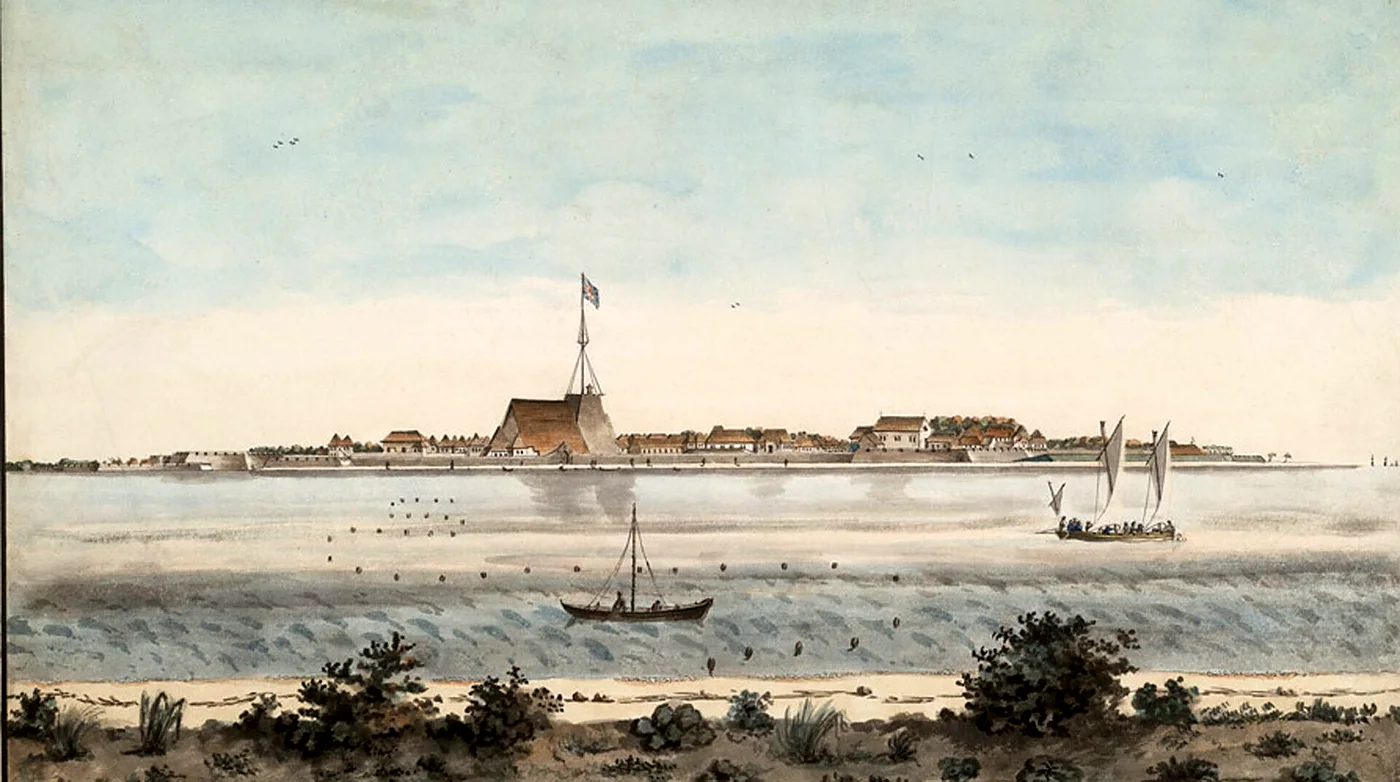
At the northern tip of a narrow peninsula, where the backwaters of Kerala meet the Arabian Sea, lies Fort Kochi. In a walk of two or three kilometres you pass a Portuguese church, a Dutch cemetery, British bungalows, a Jewish street, a palace given to a Hindu king by Catholic adventurers, mosques, warehouses full of pepper and ginger, and the great cantilevered fishing nets silhouetted against the sunset. Few places in India hold so many layers of history in so small a space.
This article follows that history through the documents and images that survive, and at several points we give our own assessment where the evidence is uncertain or the popular story does not quite fit the facts. These assessments are clearly marked and are our interpretation, not established fact.
At a glance
- Where: the north-western tip of the Kochi peninsula, Ernakulam district, Kerala.
- Key dates: harbour formed after 1341 (traditionally); Portuguese 1500–1663; Dutch 1663–1795; British 1795–1947.
- Must see: St Francis Church, Santa Cruz Basilica, the Chinese fishing nets, the Dutch cemetery, Mattancherry Palace, Jew Town and the Paradesi synagogue.
A harbour made by a flood
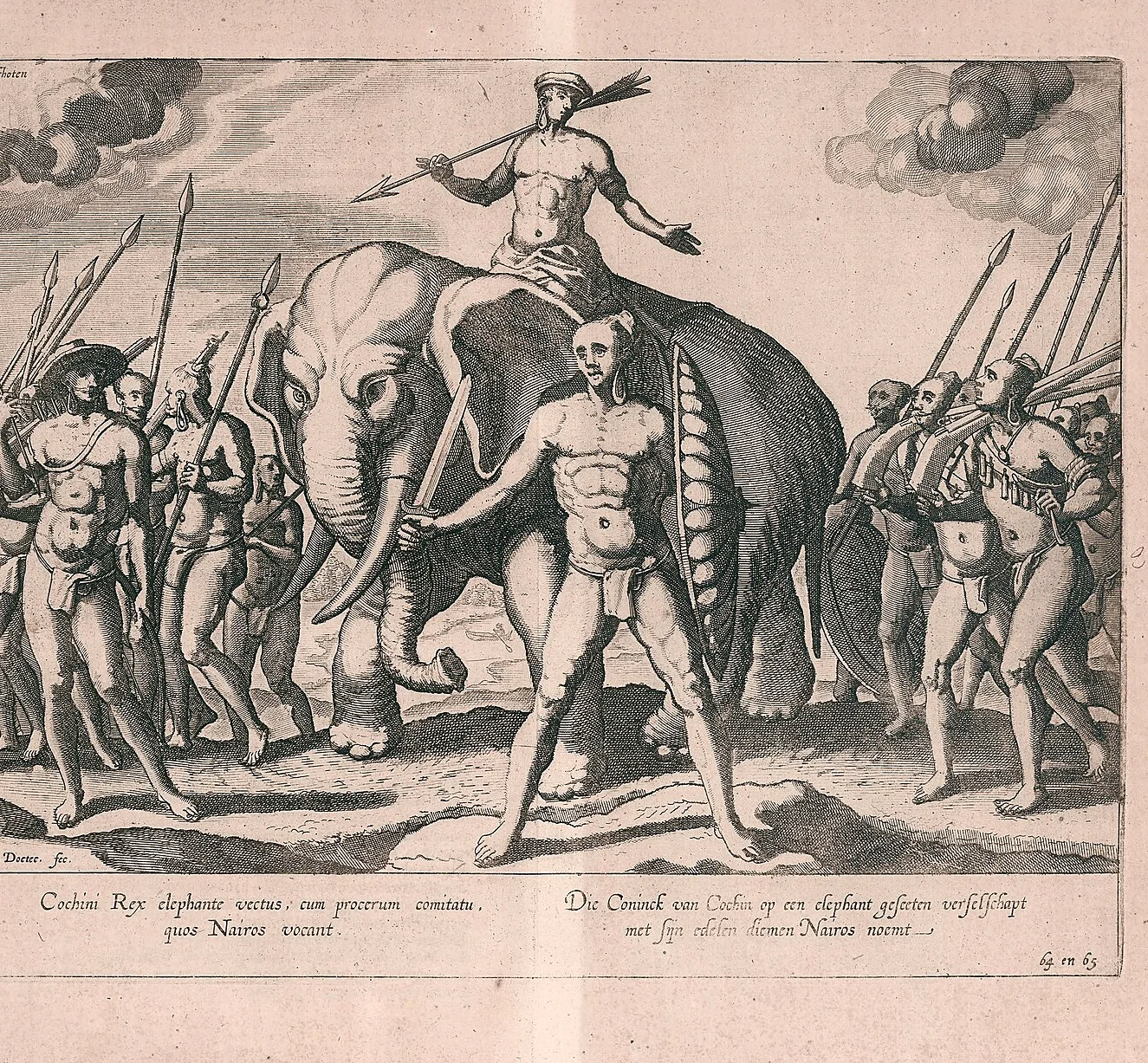
Before the 14th century, the great port of this coast was Kodungallur (Cranganore, ancient Muziris), some 30 km to the north. Tradition holds that a great flood of the Periyar in 1341 silted up Kodungallur's harbour and broke open a new channel to the sea at Kochi, creating a deep, sheltered harbour where there had been only a fishing coast. (Read about the old capital in Keezhthali, the thali temple of the Chera capital.) Within a century, Chinese, Arab and Italian travellers were describing Kochi as a busy port. The kings of Kochi (Perumpadappu Swaroopam), formerly overshadowed by the Zamorin of Calicut, grew rich on its trade.
Our assessment: the 1341 flood
The 1341 date comes from tradition and later writers rather than from a contemporary record of the flood itself. It is entirely plausible: river mouths on this coast shift dramatically in great floods (the 1924 flood transformed the landscape around Munnar, as our article on old Munnar photographs shows). The circumstantial evidence fits well: Kochi does not appear as a major port in earlier accounts, but Ma Huan, who sailed with the Chinese admiral Zheng He, describes it as a thriving kingdom in the early 15th century. We think the flood story is probably true in substance, even if the exact year should be treated with caution.
The Portuguese: the first European fort in India
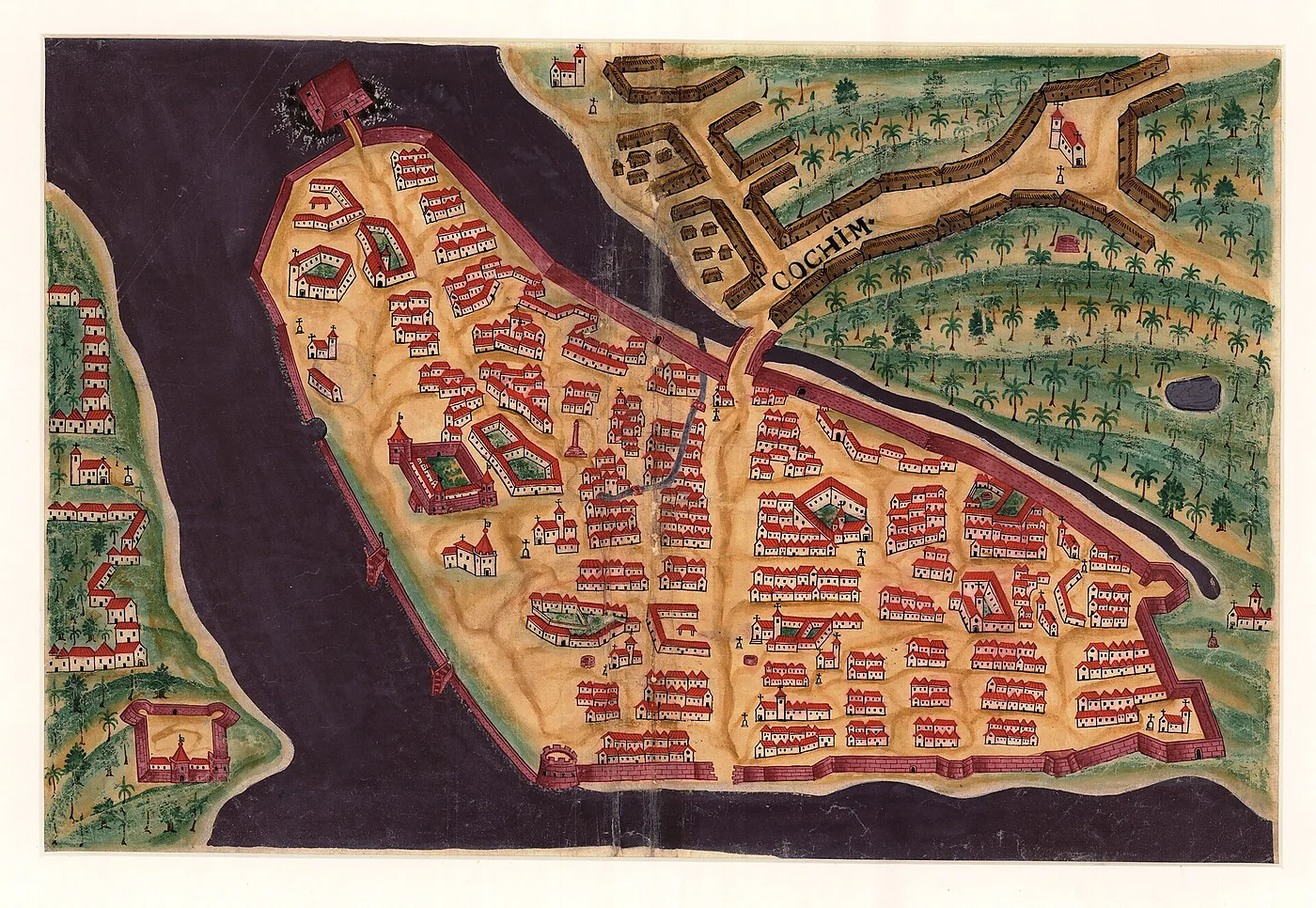
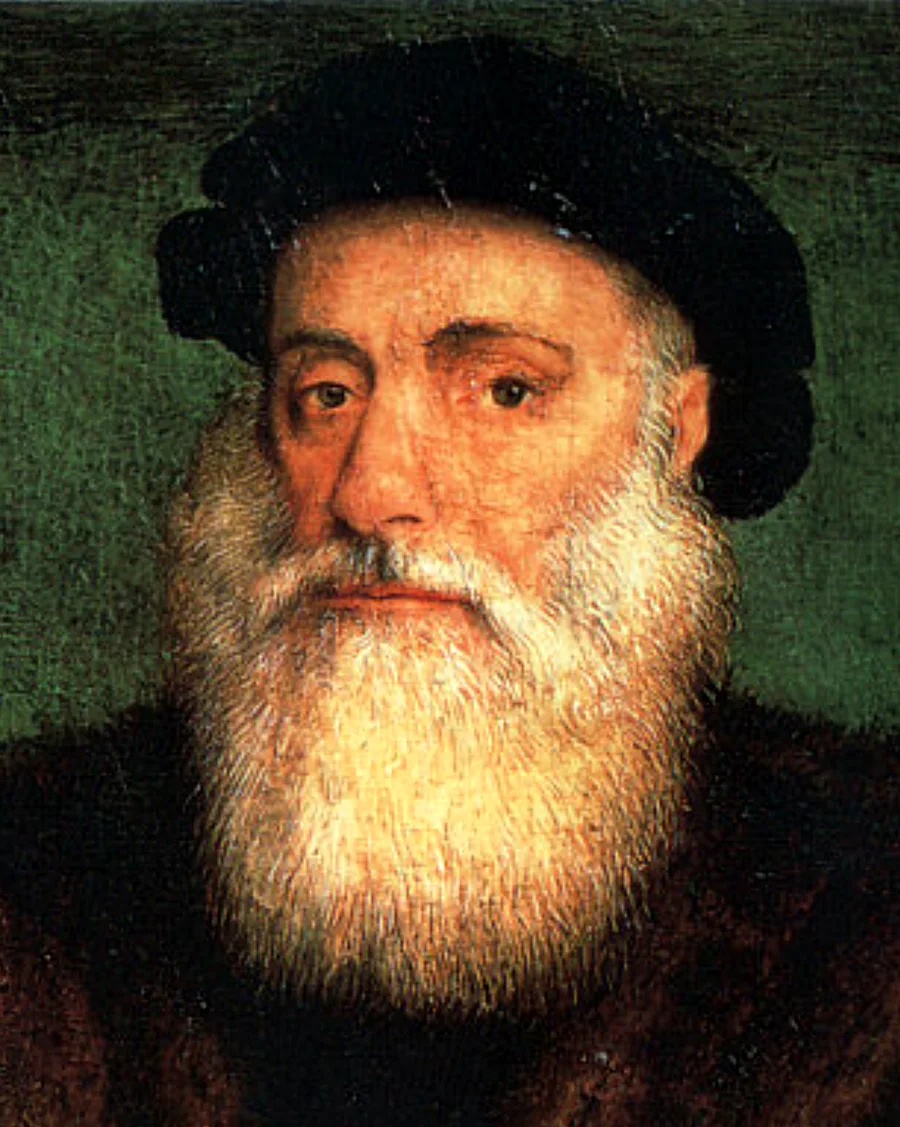
When Vasco da Gama reached Calicut in 1498, the Zamorin received him coolly. The Portuguese soon found a more willing ally in the Raja of Kochi, the Zamorin's rival. Pedro Álvares Cabral traded at Kochi in December 1500, and in 1503, with the Raja's permission, Afonso de Albuquerque built a fort at the tip of the peninsula, named Fort Manuel after King Manuel I of Portugal. It was the first European fort in India, and it gave Fort Kochi its name. For the next century and a half, Kochi was the Portuguese headquarters in India until Goa took that place, and a walled Portuguese city grew up within the fortifications.
St Francis Church and the grave of Vasco da Gama
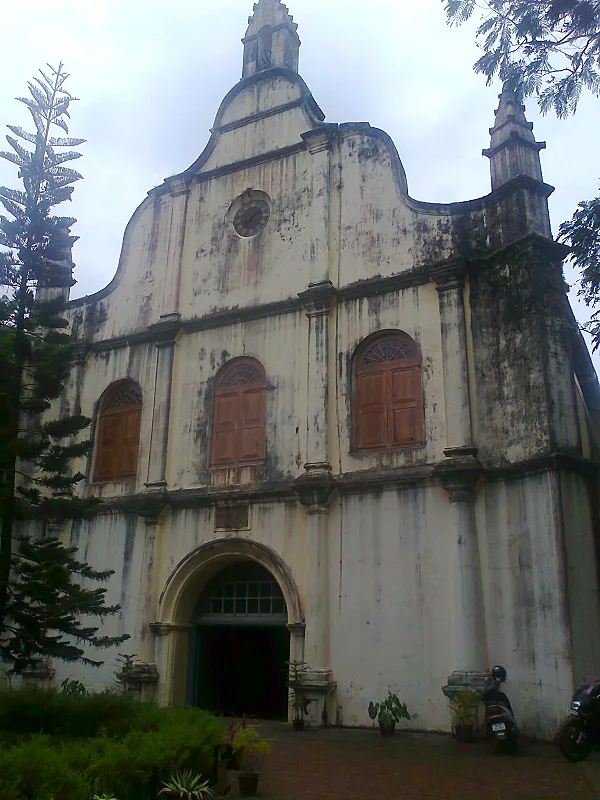
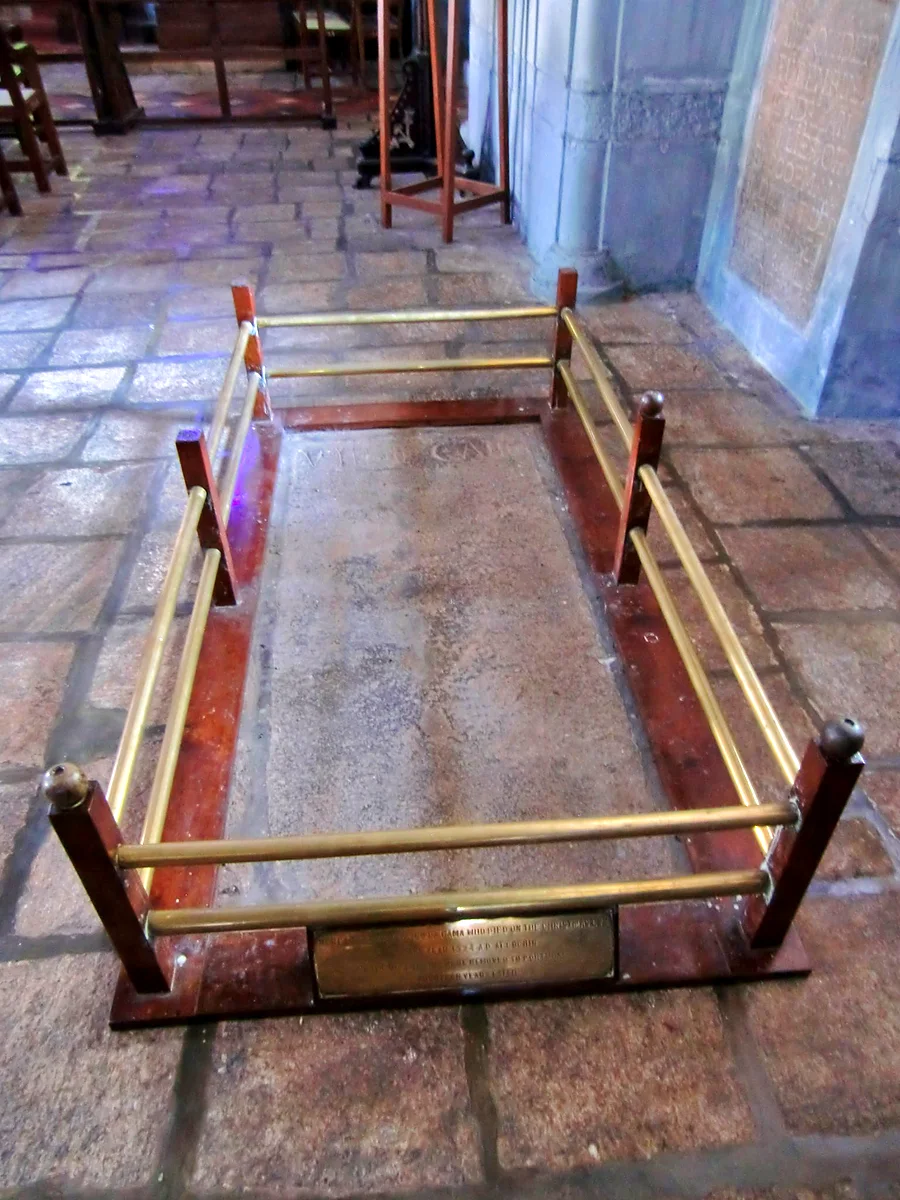
Inside the fort the Portuguese friars built a church, first of wood and then, by about 1516, of stone: the church now known as St Francis Church, one of the oldest European churches in India. Vasco da Gama returned to India in 1524 as Viceroy, fell ill and died at Kochi on 24 December 1524. He was buried in this church. In 1539 his remains were taken back to Portugal; they now lie in the Jerónimos Monastery in Lisbon. His original gravestone inside the church is still pointed out to visitors.
The church changed hands with the empires: the Dutch made it a Protestant church after 1663, the British an Anglican one after 1795, and since 1947 it has belonged to the Church of South India. Look up at the long cloth punkhas (swinging fans) once pulled by servants, and at the Dutch and British memorials on the walls.
Our assessment: why was da Gama's body taken back?
It was common for Portuguese nobles who died overseas to be returned to family chapels at home, and da Gama, Count of Vidigueira, had been made a great lord. The fifteen-year delay probably reflects the slow, expensive and dangerous voyage and family arrangements rather than anything unusual. The local tradition that his body still lies in Kochi has no documentary support; the move to Portugal is well recorded.
The Dutch conquest, 1663
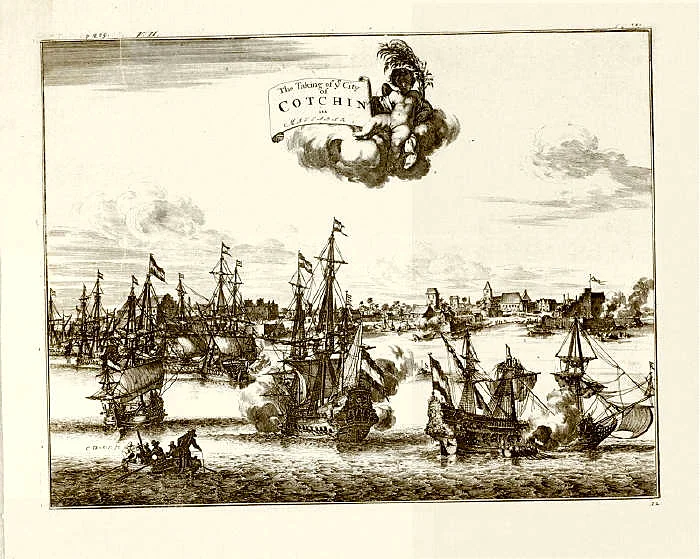
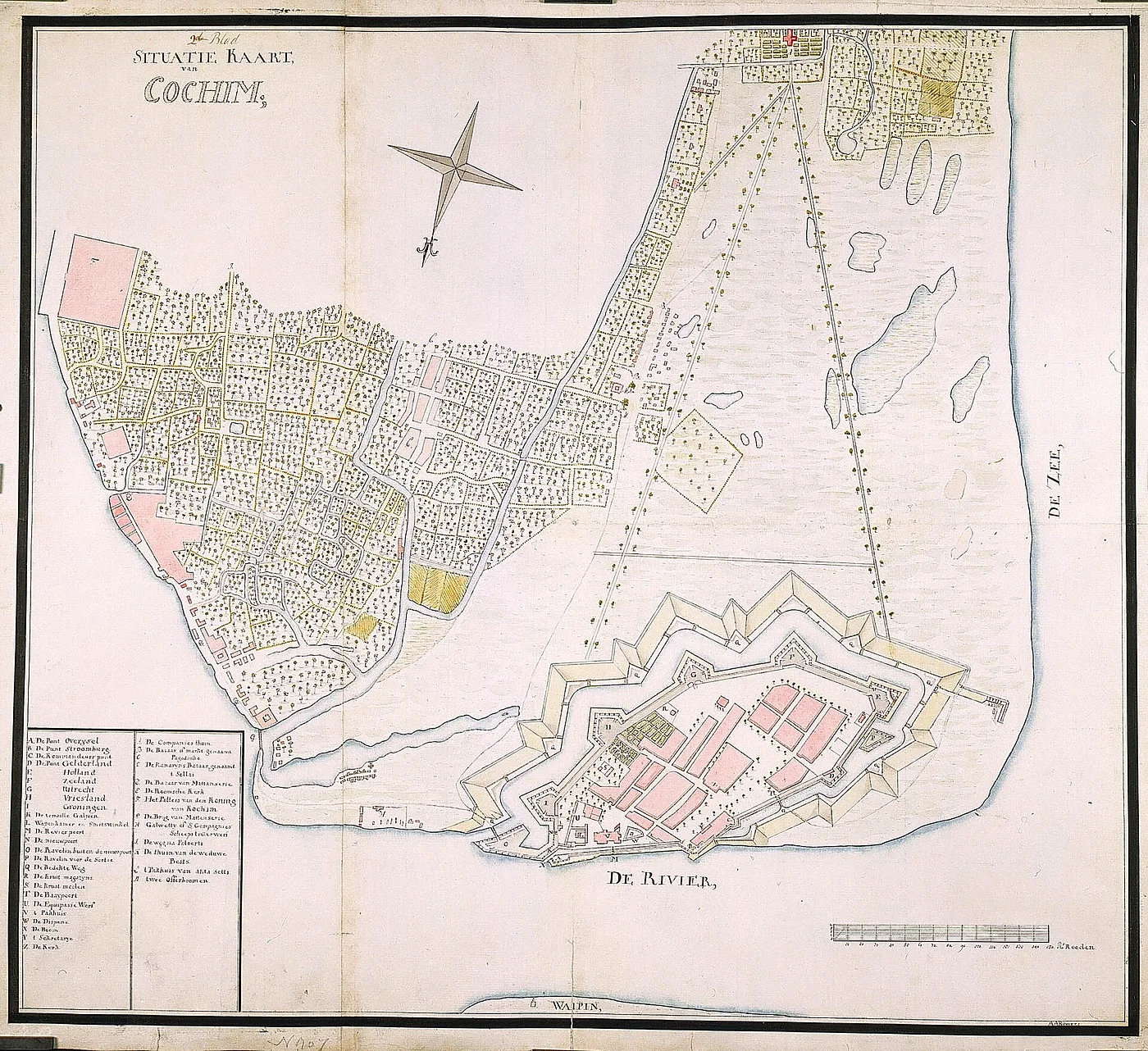
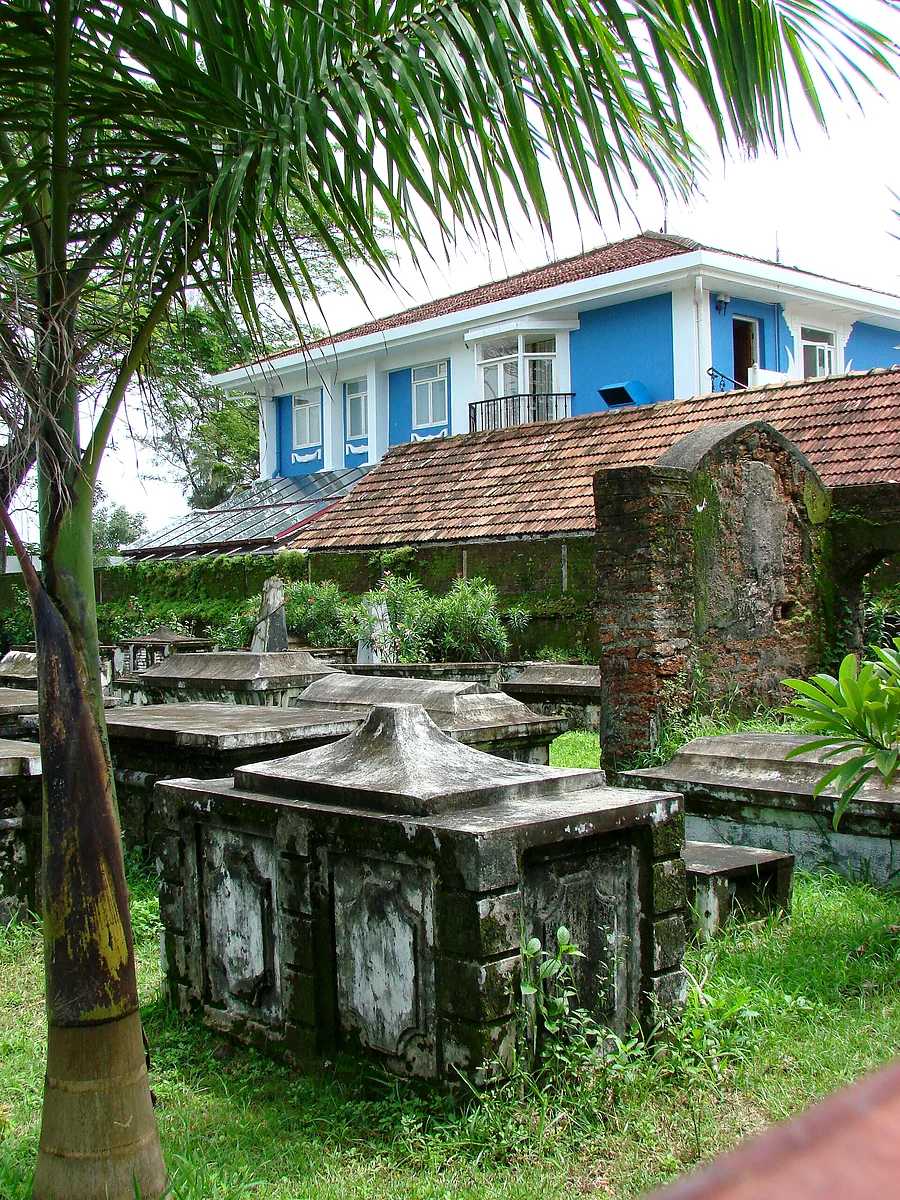
In the 17th century, the Dutch East India Company (VOC) set out to take over the Portuguese spice trade. Allied with the Zamorin and with a faction of the Kochi royal family and the Paliath Achan, the Dutch besieged Kochi and took it in early January 1663. They expelled the Portuguese, demolished most of the Catholic churches and convents, and rebuilt the town on a smaller scale, which they called "Nieuw Cochin". The Dutch period left Fort Kochi its Dutch houses, its cemetery (dated 1724) and its connections with the scholarship of Europe.
Hortus Malabaricus: Kerala's plants for the world
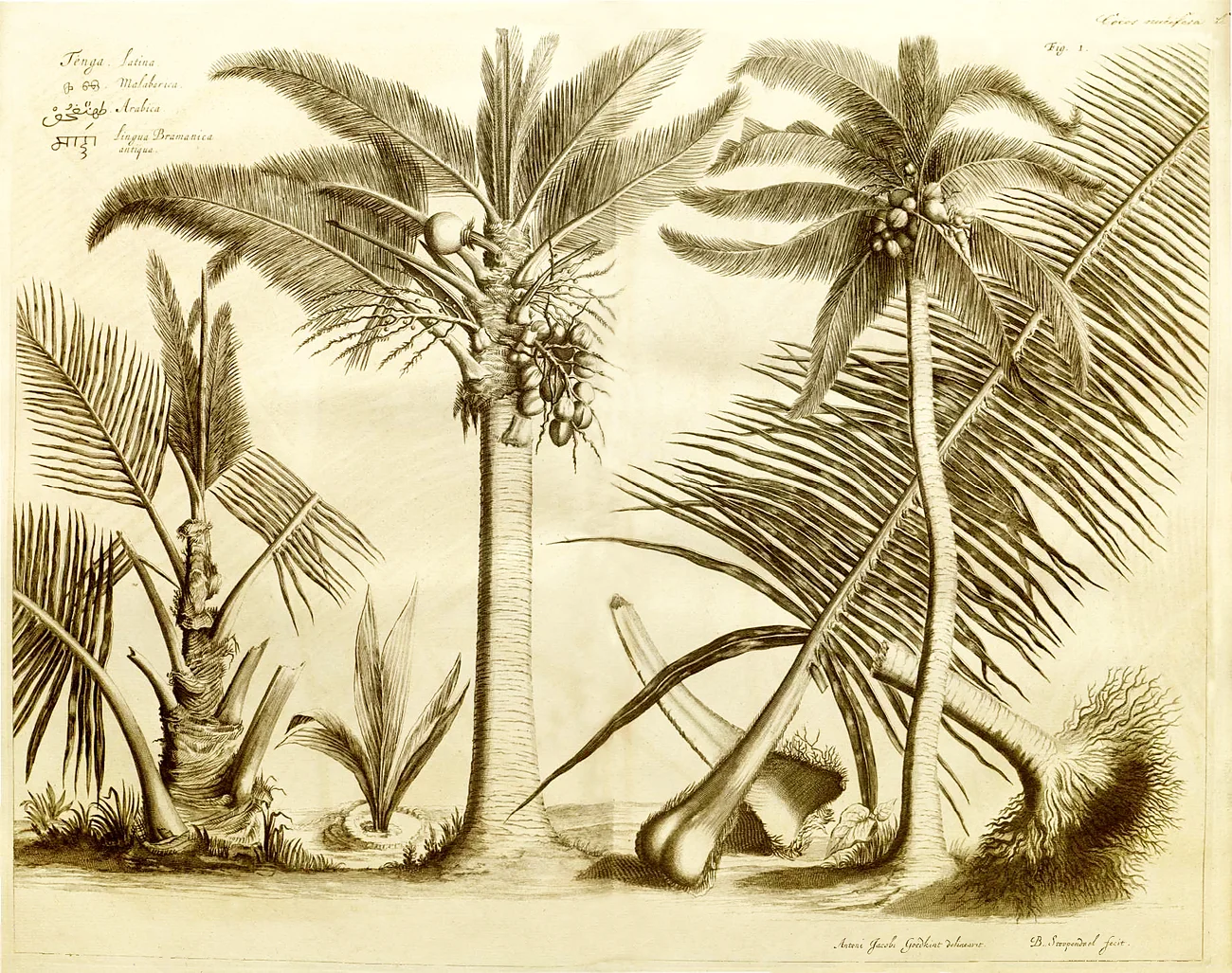
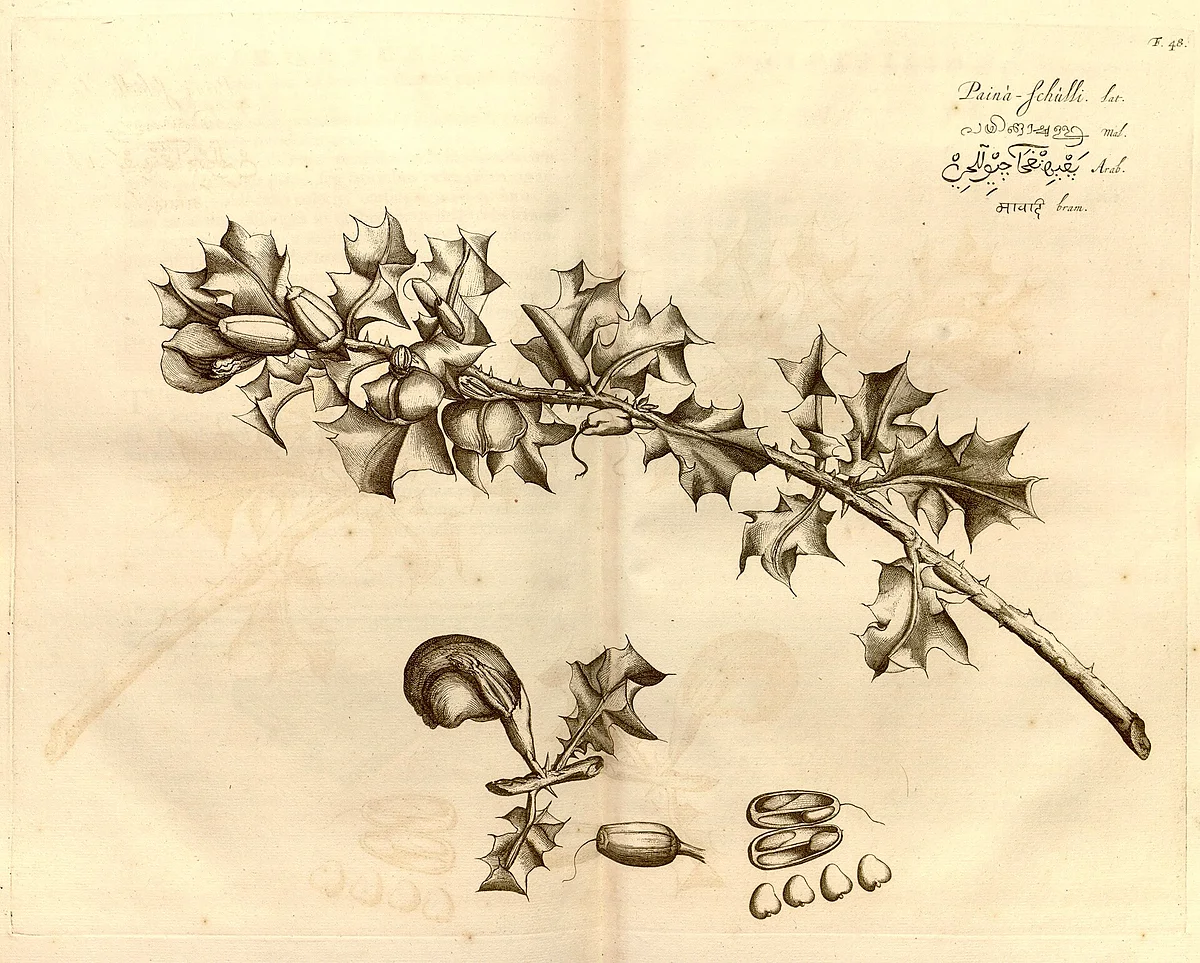
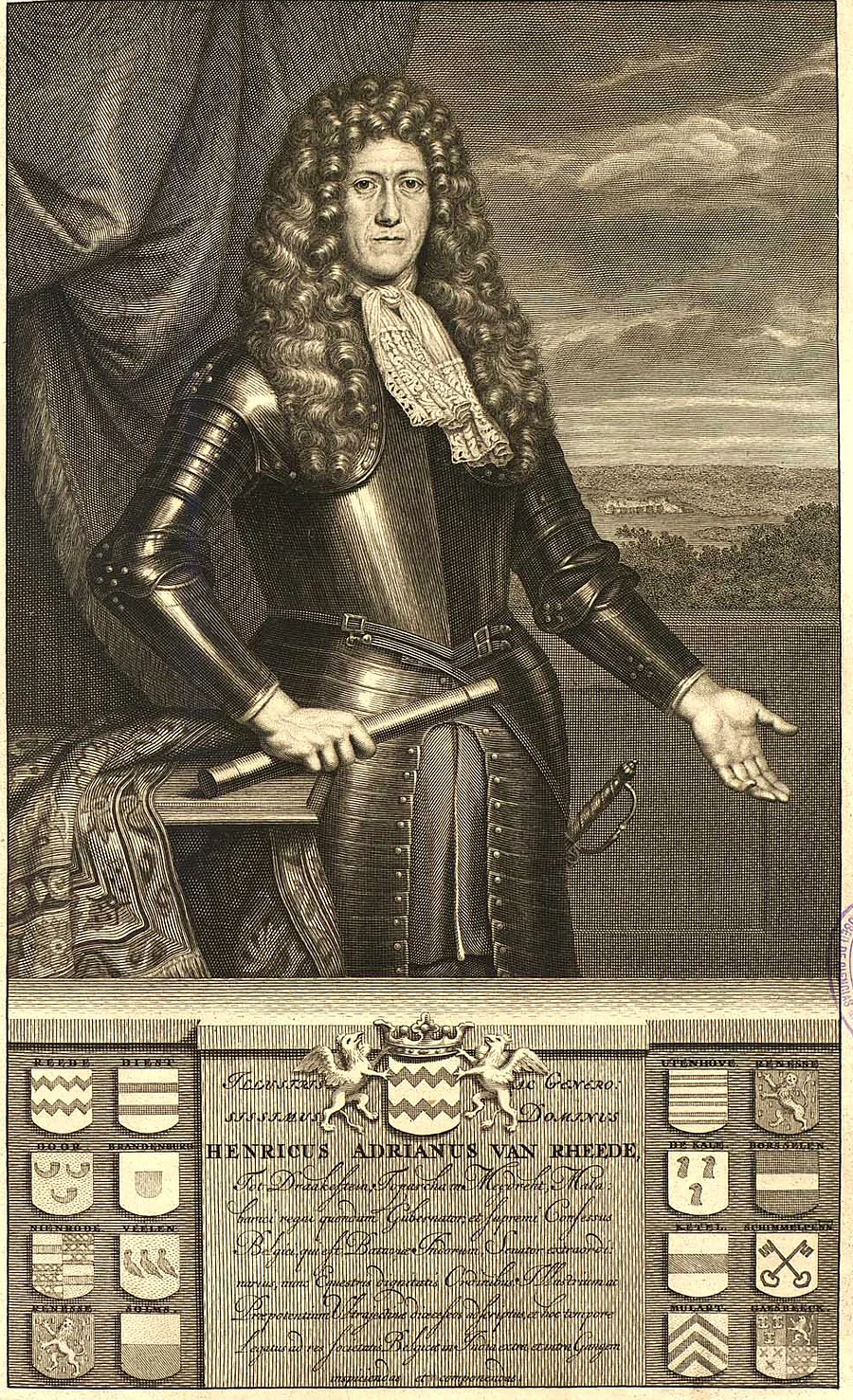
The most remarkable Dutch legacy is a book. Hendrik Adriaan van Rheede tot Drakenstein, the VOC governor of Malabar in the 1670s, organised a great survey of the plants of Kerala. Local physicians and scholars, among them the Ezhava physician Itty Achuden and the Konkani Brahmin physicians Ranga Bhat, Vinayaka Bhat and Appu Bhat, identified the plants and their medicinal uses; artists drew them; and the work was published in Amsterdam in 12 volumes between 1678 and 1693 as Hortus Malabaricus ("The Garden of Malabar"). It describes some 740 plants, with names in Latin, Malayalam (in the old script), Konkani and Arabic. It was the first major printed work on the plants of Asia, and Linnaeus later drew on it. The first plate of the first volume shows the coconut palm, tenga in Malayalam.
Our assessment: whose book was it?
The Hortus is usually credited to van Rheede, but the knowledge in it belonged to Kerala's physicians. Itty Achuden's own certificate, printed in the first volume, states that the plant descriptions came from his family's palm-leaf records. In our view, it is fairer to call it a joint work of Dutch organisation and Kerala scholarship, one of the earliest examples of Indian traditional knowledge entering European science, with all the questions of credit that this raises even today.
Mattancherry Palace
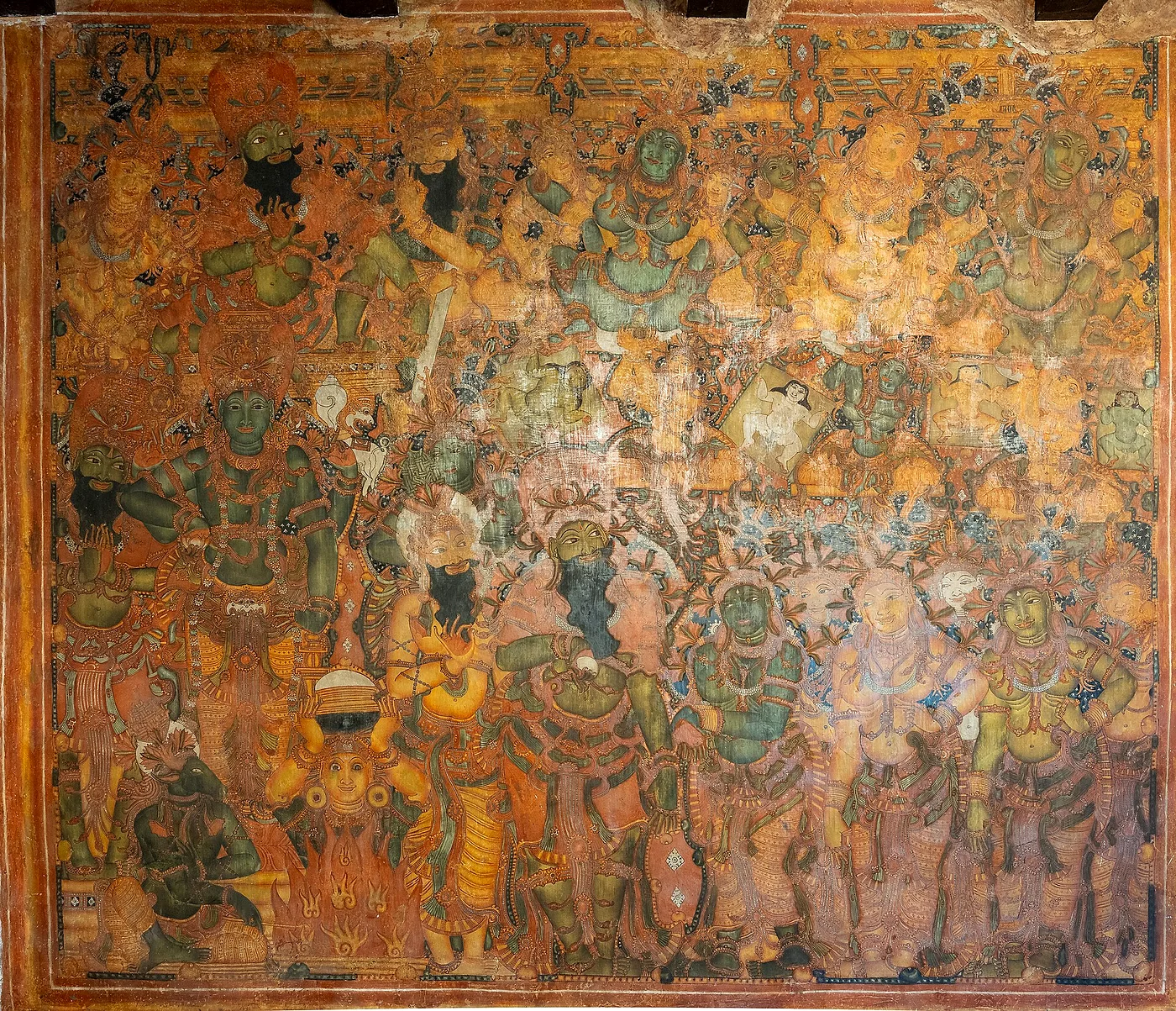
About 2 km away, in Mattancherry, stands the palace the Portuguese built for the Raja of Kochi around 1555, reportedly as a gift to win his favour after they had plundered a nearby temple. The Dutch renovated it after 1663, which is why it is often called the Dutch Palace, though it was always the Raja's palace and the coronation place of the Kochi kings. Its plain exterior hides some of the finest mural paintings in Kerala: scenes from the Ramayana, the Mahabharata and the Puranas in rich ochres, reds, greens and black, painted in the 16th and 17th centuries. Today it is a museum under the Archaeological Survey of India.
Santa Cruz: a cathedral destroyed and rebuilt
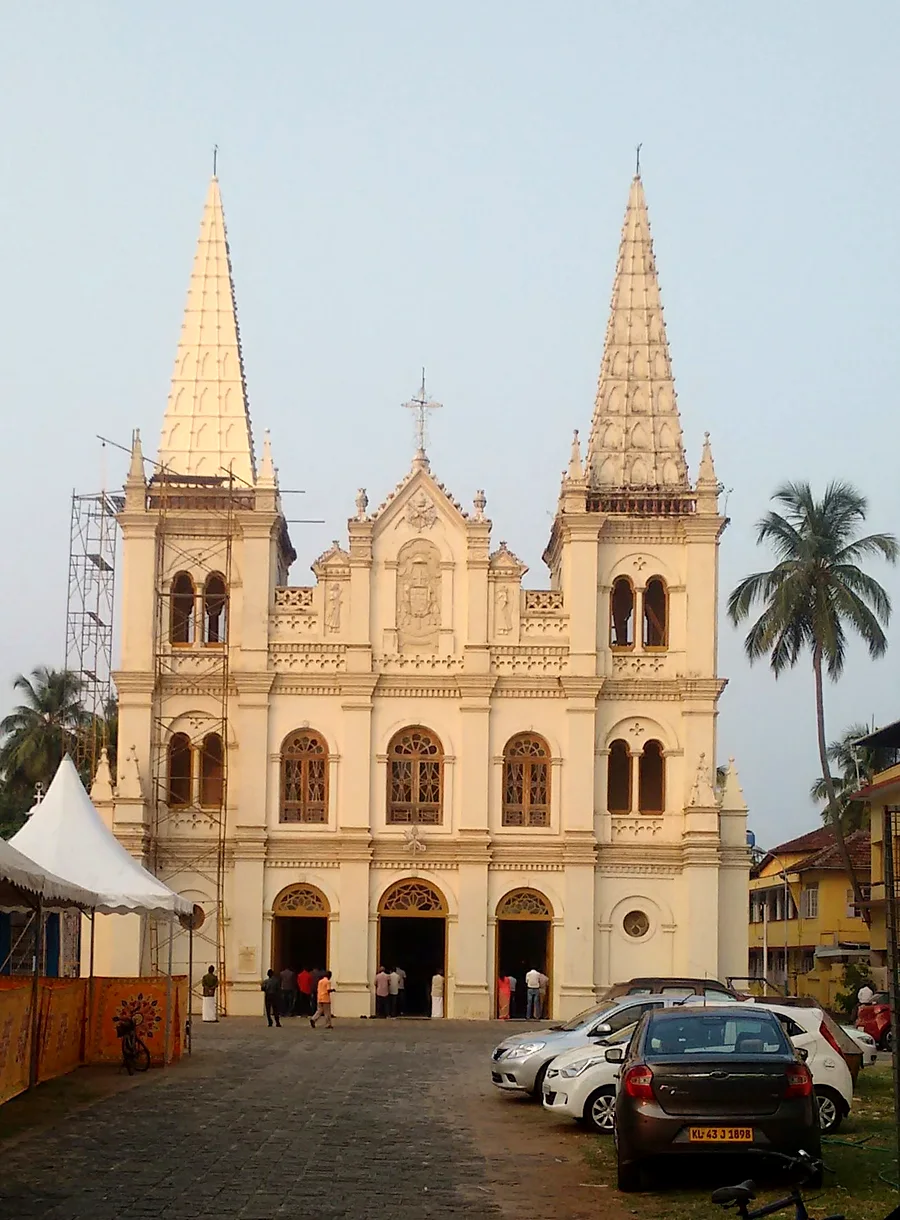
The Portuguese built a church of the Holy Cross (Santa Cruz) in the early 16th century; it became a cathedral in 1558. The Dutch spared it as a warehouse, but the British demolished it after 1795. The present Gothic-style building was consecrated in 1905 and became a basilica in 1984.
The British: a fort blown up, a port built
In 1795, during the wars with revolutionary France, the British took Kochi from the Dutch. Around 1806 they destroyed most of the old fortifications, and the walled town became an open, quiet place of merchants' houses and warehouses. Kochi's great growth as a modern port came in the 1920s and 1930s, when the engineer Robert Bristow dredged the harbour and created Willingdon Island from the spoil. The city of Kochi grew around the new port, and Fort Kochi became the old quarter it is today. Since 2012 it has also hosted the Kochi-Muziris Biennale, India's largest contemporary art exhibition.
The "Chinese" fishing nets: an unsolved puzzle
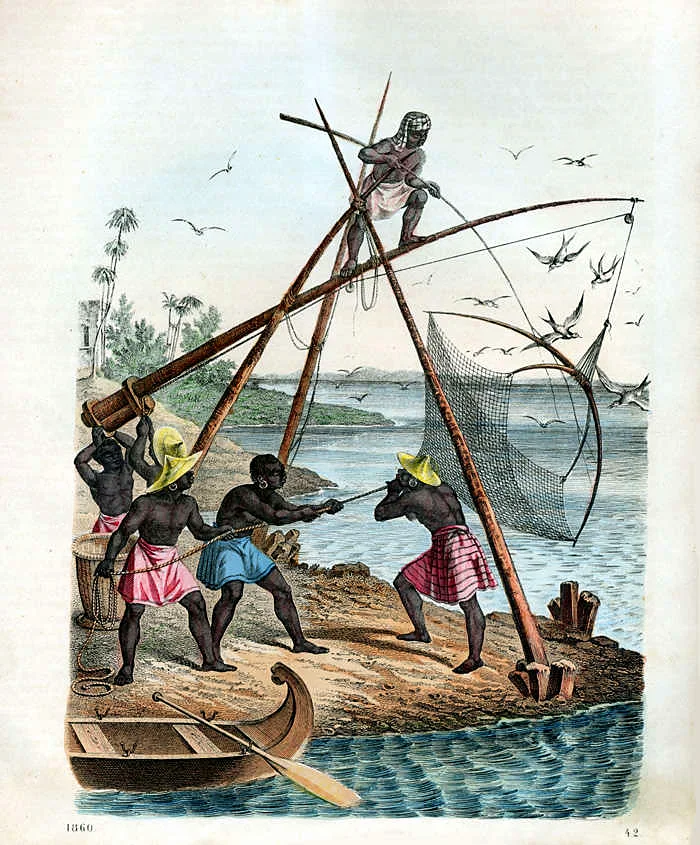
The cantilevered fishing nets along the waterfront, called cheena vala ("Chinese nets") in Malayalam, are the symbol of Fort Kochi. Each is a huge square net hung from a frame of teak and bamboo poles, balanced by large stones on ropes. A team of four to six men walks along the main beam to lower the net into the water, and then pulls on the ropes to lift it with the catch. Only a few dozen nets remain, and many are in poor repair.
Their origin is a favourite question of guides and historians, and there are two main theories:
- The Chinese theory: the nets were introduced by Chinese traders, perhaps in the time of Kublai Khan (13th century) or during the voyages of Admiral Zheng He (1405–1433), whose fleets visited Kochi.
- The Portuguese theory: the nets were brought by the Portuguese, perhaps from Macau (a Portuguese base from 1557) or from their other Asian settlements, in the 16th or 17th century. Its supporters point out that the fishermen of Kochi use Portuguese words for parts of the net, such as rede (net), argola (ring), corda (rope) and pedra (stone).
Our assessment: where did the nets come from?
We have weighed the evidence as follows:
- Silence in early accounts. Ma Huan (with Zheng He, early 15th century), Niccolò de' Conti (c. 1440), Ludovico di Varthema (1508) and Duarte Barbosa (1510s) all describe Kochi or its fishing, and none mentions these very conspicuous nets. Absence of evidence is not proof, but it is striking for such a visible structure.
- Portuguese vocabulary. The Portuguese names for the parts of the net strongly suggest that the technique was learned, or at least organised, in a Portuguese-speaking setting. Kochi's fishermen were among the earliest converts to Catholicism in the 16th century, and Portuguese words entered their everyday trade language.
- The name. In Malayalam, "Chinese" (cheena) was used loosely for things from the Far East, including porcelain (cheenachatti). The name tells us the type was seen as East Asian, not who brought it or when.
- Similar nets are documented in southern China and elsewhere in South-East Asia, where the Portuguese were trading from the 1510s.
Our conclusion: the design is very probably East Asian in origin, but the evidence points more to an introduction during the Portuguese period (16th–17th century), perhaps by settlers or sailors who knew the nets from China, Macau or Malacca, than to Zheng He's visits. The popular Zheng He story is attractive, but we have found no early source for it. We would be glad to revise this view if an earlier documentary reference to the nets in Kochi comes to light.
Visiting Fort Kochi today
- Walk or cycle: everything in Fort Kochi is within a short distance. Start early at the fishing nets, when the crews are working.
- St Francis Church and Santa Cruz Basilica are open to respectful visitors outside service times.
- Mattancherry Palace is closed on Fridays; the Paradesi synagogue is closed on Fridays, Saturdays and Jewish holidays.
- Ferries link Fort Kochi with Ernakulam, Vypeen and Willingdon Island, and the Water Metro now connects many islands.
- Read more about Kochi's communities: The Jews of Kerala, Sarah Cohen of Jew Town, The synagogues of Kerala and Black pepper, the spice that brought the Europeans.
Read also: Padmanabhaswamy Temple and Thiruvananthapuram
See it for yourself, with a local driver who knows these roads.
Book a Munnar Jeep SafariSources & further reading
- Wikipedia: Fort Kochi
- Wikipedia: Church of Saint Francis, Kochi
- Maddy's Ramblings: The Chinese fishing nets at Kochi (sources and theories)
- Indian Chamber of Commerce and Industry, Cochin: The Chinese fishing net story
- Wikipedia: Hortus Malabaricus
- Wikipedia: Mattancherry Palace
- Biodiversity Heritage Library: Hortus Indicus Malabaricus
Figures are from the sources listed and were checked in October 2026. Park timings and road conditions change, so please confirm before you travel.