
Padmanabhaswamy and Thiruvananthapuram: The City of the Sacred Serpent
A god reclining on a serpent, a king who gave his whole kingdom to that god, vaults of gold that astonished the world in 2011, and a proclamation in 1936 that opened Travancore's temples to every Hindu. The history of Kerala's capital through old photographs, portraits, coins, stamps and records, with our own reading of the evidence.
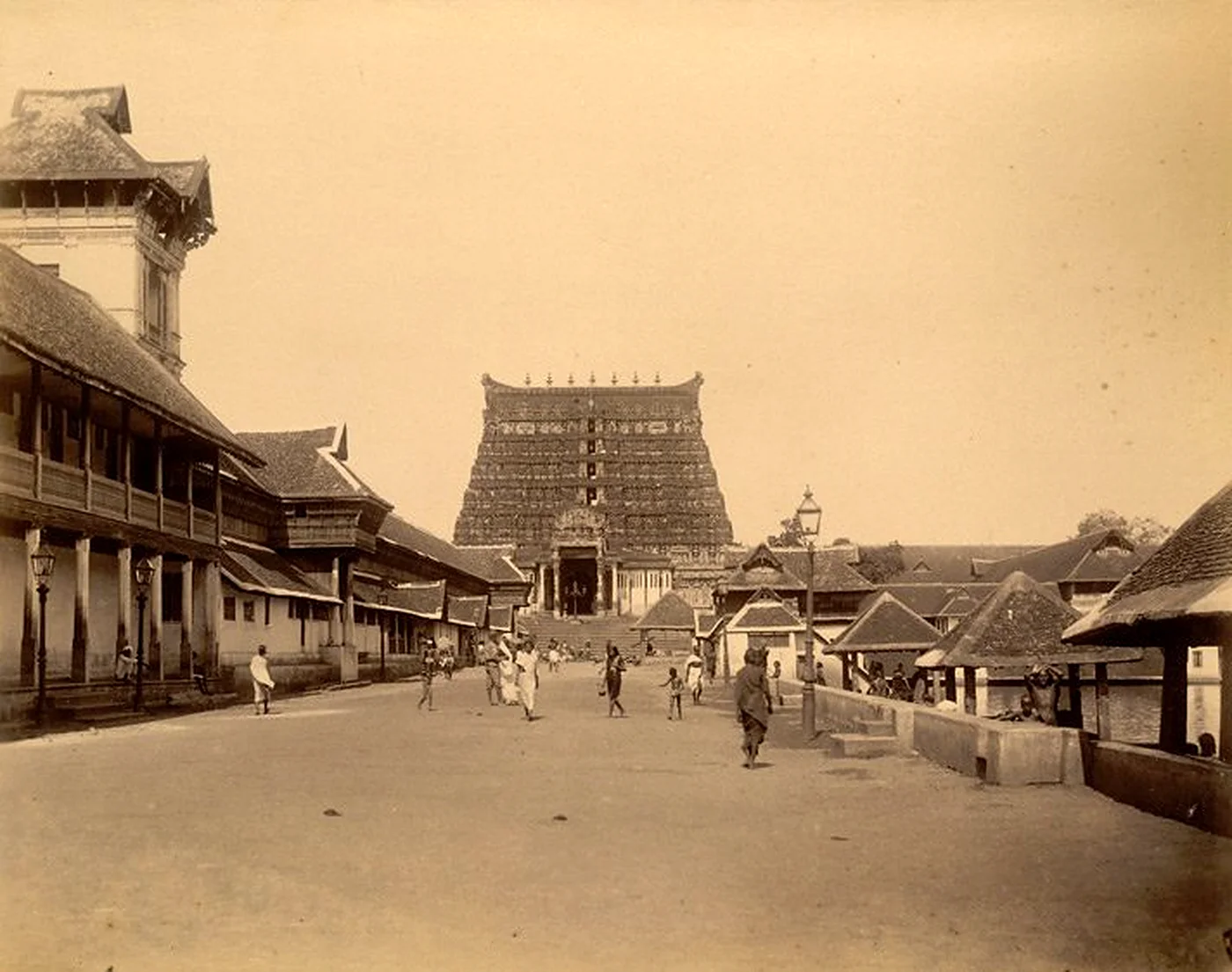
Kerala's capital takes its name from a god. Thiruvananthapuram means "the city of the sacred Ananta", the thousand-headed serpent on whose coils Lord Vishnu reclines in cosmic sleep. At the heart of the old city, inside a fortified enclosure, lies the temple of that reclining Vishnu, Sree Padmanabhaswamy, "the lord with a lotus rising from his navel". For more than two centuries the temple and the kingdom of Travancore were bound together so closely that the kings ruled as the god's servants. And in 2011 the temple made headlines around the world when its vaults were found to hold one of the greatest treasures ever recorded.
As in our other long reads, we give our own assessment where the evidence is uncertain. These sections are clearly marked and are our interpretation.
At a glance
- Where: East Fort, Thiruvananthapuram, Kerala.
- Deity: Vishnu as Padmanabha, reclining on the serpent Ananta (Adisesha); one of the 108 Divya Desams of the Sri Vaishnava tradition.
- Key dates: hymns of Nammalvar (9th century); fire 1686; rebuilt by Marthanda Varma from 1731; kingdom dedicated to the deity January 1750; vaults opened 2011; Supreme Court verdict 2020.
- Entry: Hindus only, with a strict dress code (see below).
How old is the temple?
The earliest firm written evidence is in the Tamil hymns of the Vaishnava saint Nammalvar (8th–9th century), who praised Vishnu reclining at "Ananthapuram". This makes the temple one of the 108 Divya Desams, the shrines sung by the Alvars. Some scholars see a reference in the earlier Tamil epic Silappatikaram, and some popular writers link the temple to a "golden temple" of Sangam literature or claim an age of thousands of years. Inscriptions and records from the 11th to the 14th centuries give firmer ground. The temple's own palm-leaf records, the Mathilakam records, run to thousands of bundles and document its administration over centuries.
Our assessment: the temple's age
Nammalvar's hymns prove the temple existed, and was already famous, by the 9th century. Claims of much greater antiquity rest on traditions and on identifications with older literary references that are possible but not certain. Our view: the temple was well established by about 800 CE, and the site may well be older, but claims of 5,000 years have no historical basis.
The god on the serpent
The main image is about 18 feet long, so large that it is seen in three parts through three doors: the face and the hand resting over a Shiva linga at the first door, the navel with the lotus and Brahma at the second, and the feet at the third. Tradition says it is made of 12,008 saligrams (sacred fossil ammonite stones from the Gandaki river in Nepal), held together with a special compound called katusarkara yogam. Because of this, the image is never bathed with water; the ritual bathing (abhishekam) is performed instead on a smaller image.
Fire, rebuilding, and a king's gift
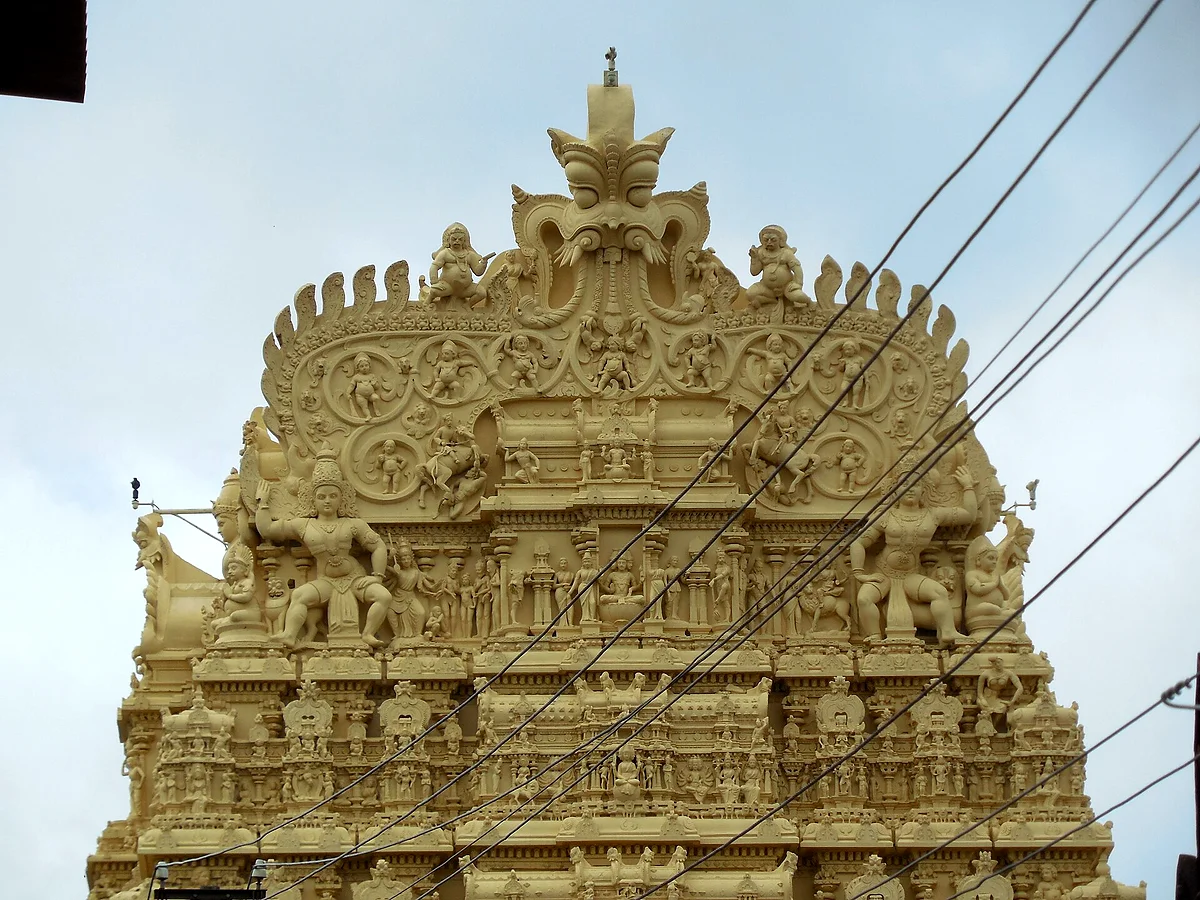
A great fire in 1686 destroyed much of the temple. Its restoration became the life's work of Anizham Thirunal Marthanda Varma (reigned 1729–1758), the warrior-king who built the kingdom of Travancore by conquering the small chiefdoms around him and defeating the Dutch at the Battle of Colachel in 1741. From 1731 he rebuilt the temple: the Ottakkal Mandapam, a platform cut from a single slab of granite, in front of the sanctum; the long corridor (sheevelippura) with hundreds of carved granite pillars; and the great eastern gopuram, whose upper storeys were completed by his successor.
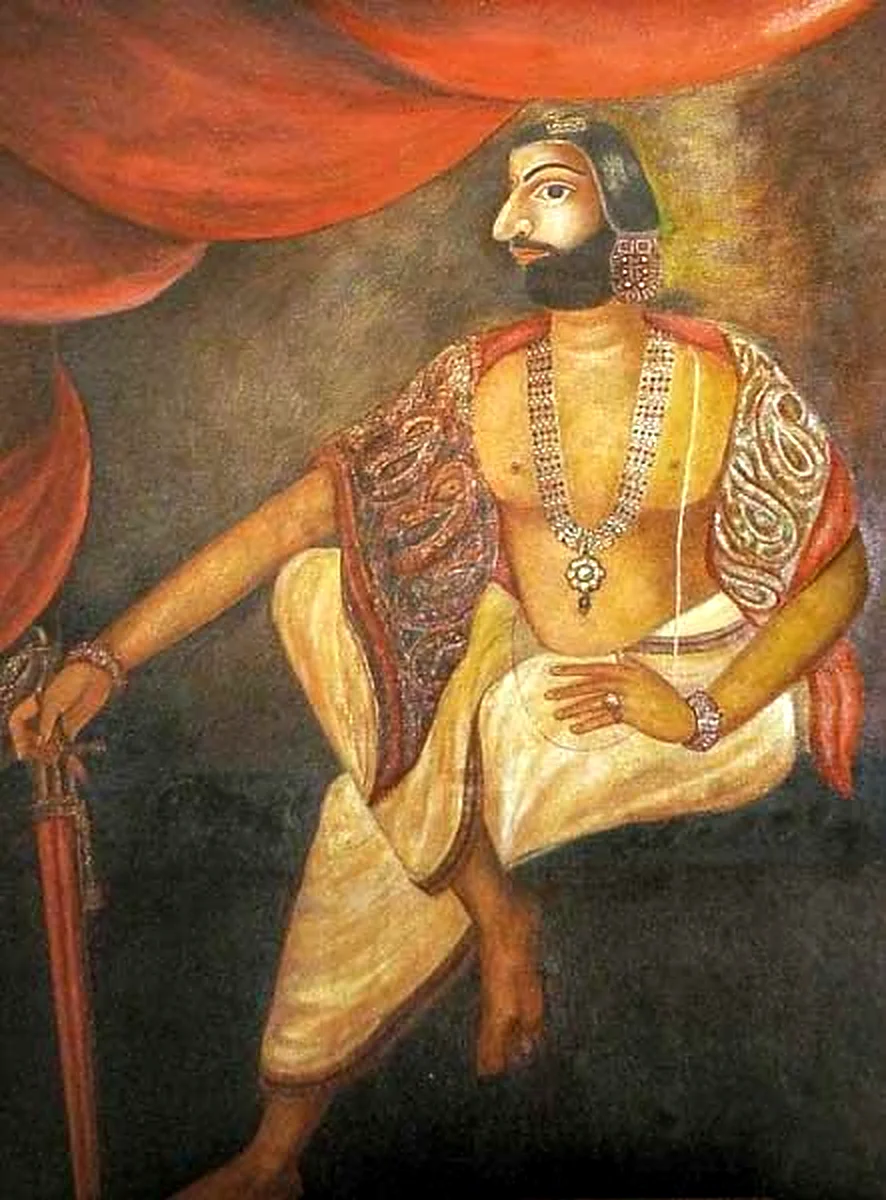
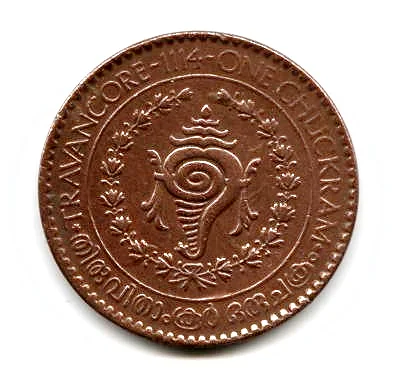
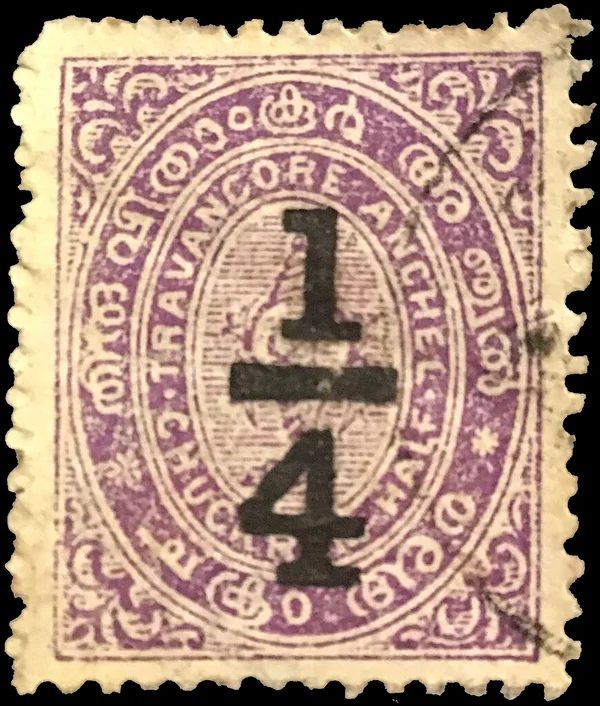
Then, in January 1750, Marthanda Varma did something extraordinary. In a ceremony called Thrippadidanam, he laid his sword before the deity and dedicated the entire kingdom to Padmanabha. From then on the kings of Travancore ruled as Padmanabha Dasa, "servants of Padmanabha". The conch (sankhu), the emblem of Vishnu, became the state symbol, appearing on Travancore's coins and stamps.
Our assessment: what did the gift of the kingdom mean?
Thrippadidanam was a religious act, but also a brilliant political one. Marthanda Varma had built his kingdom by force, crushing rival nobles (the Ettuveetil Pillamar) and annexing neighbouring states. By placing the kingdom under the deity, he made rebellion against the king an offence against God, gave his new state a sacred unity, and bound the powerful temple establishment to the crown. We see it as a masterly fusion of faith and statecraft, and it shaped Travancore's identity until 1949.
The vaults of 2011
For generations, the temple's treasures were known only in outline. In 2007 a complaint about mismanagement led to court cases, and in 2011 the Kerala High Court ruled that the state should take over the temple. The Supreme Court stayed that order and appointed a committee to inventory the temple's six known vaults, labelled A to F. From 27 June 2011 the vaults were opened in the presence of observers. What came out stunned the world: thousands of gold coins, including Roman and later European coins; gold necklaces, chains and crowns; a golden throne; a solid gold idol of Vishnu studded with precious stones; sacks of gold and gems. Estimates of the total value, never officially confirmed, ran to about ₹1 lakh crore (around 22 billion US dollars at the time), making it one of the richest religious treasures known.
One vault, Vault B, was not opened. The royal family and many devotees objected, citing religious beliefs and an astrological ritual (devaprasnam) which warned against it. Popular stories speak of a door guarded by carved serpents and a curse on anyone who breaks it open. In July 2020 the Supreme Court restored the royal family's role in administering the temple, under committees including government and judicial representatives, and left the question of Vault B to those committees.
Our assessment: where did the treasure come from, and is Vault B really 'sealed for ever'?
We think the wealth has several sources, all historically plausible:
- Centuries of offerings by kings, nobles and devotees, as at every great temple.
- After 1750, the line between the treasury of the state and the treasury of the deity became blurred, because the kingdom itself belonged to Padmanabha. Much of the hoard is probably Travancore's state reserve, built up from the pepper trade and taxes.
- During the Mysore invasions of the late 18th century, rulers and nobles from northern Kerala fled south to Travancore and are said to have deposited valuables here.
- Ancient coins, such as Roman gold, circulated in Kerala's ports for centuries after the Roman trade and could have entered the treasury at any time.
As for Vault B, the idea that it has never been opened is part of its legend. A report by the court-appointed amicus curiae in 2014 stated that it had in fact been opened on several occasions in the past century, a claim the royal family disputed. The real reasons it has stayed closed since 2011 are religious sentiment and law, not curses. We would treat the 'serpent curse' as folklore, while respecting the beliefs of the devotees for whom it matters.
The city of the Maharajas
The Travancore kings ruled from Padmanabhapuram (now in Tamil Nadu) until 1795, when Karthika Thirunal Rama Varma, known as Dharma Raja, moved the capital to Thiruvananthapuram, beside the temple. The 19th-century rulers made it a city of learning and the arts.
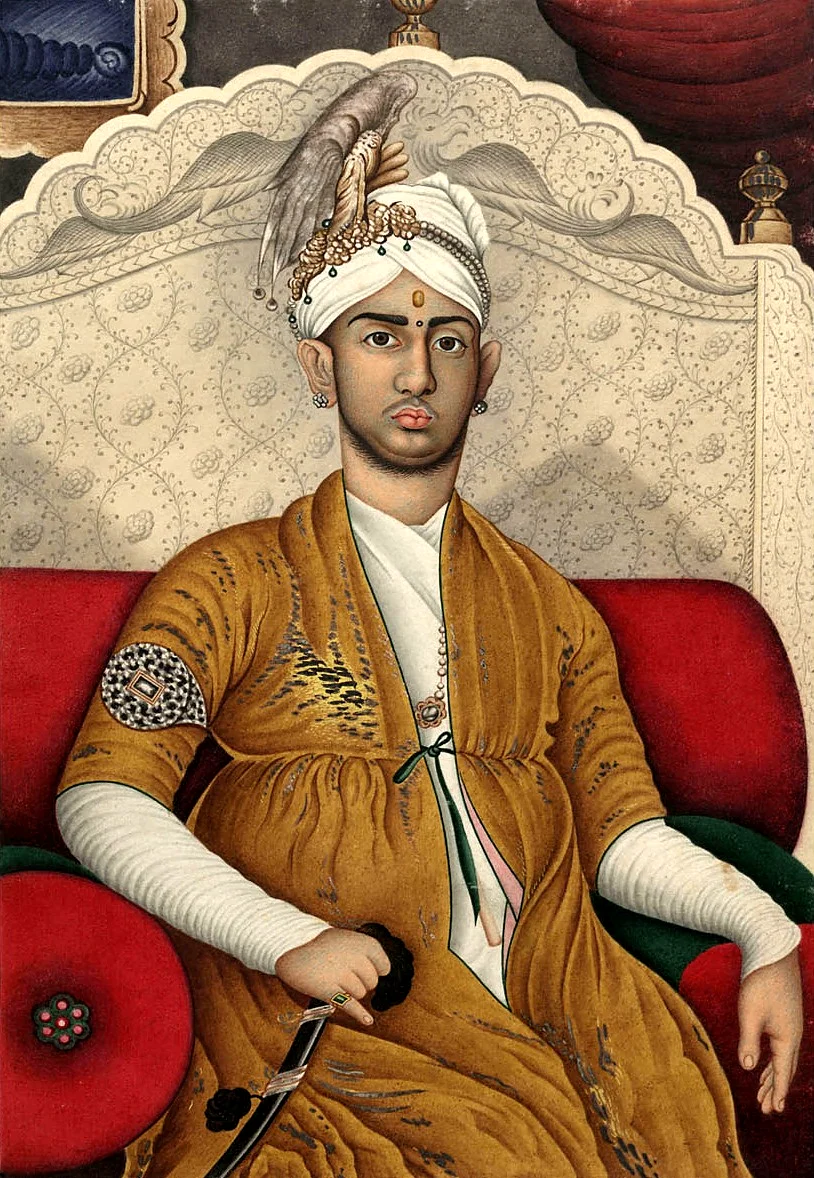
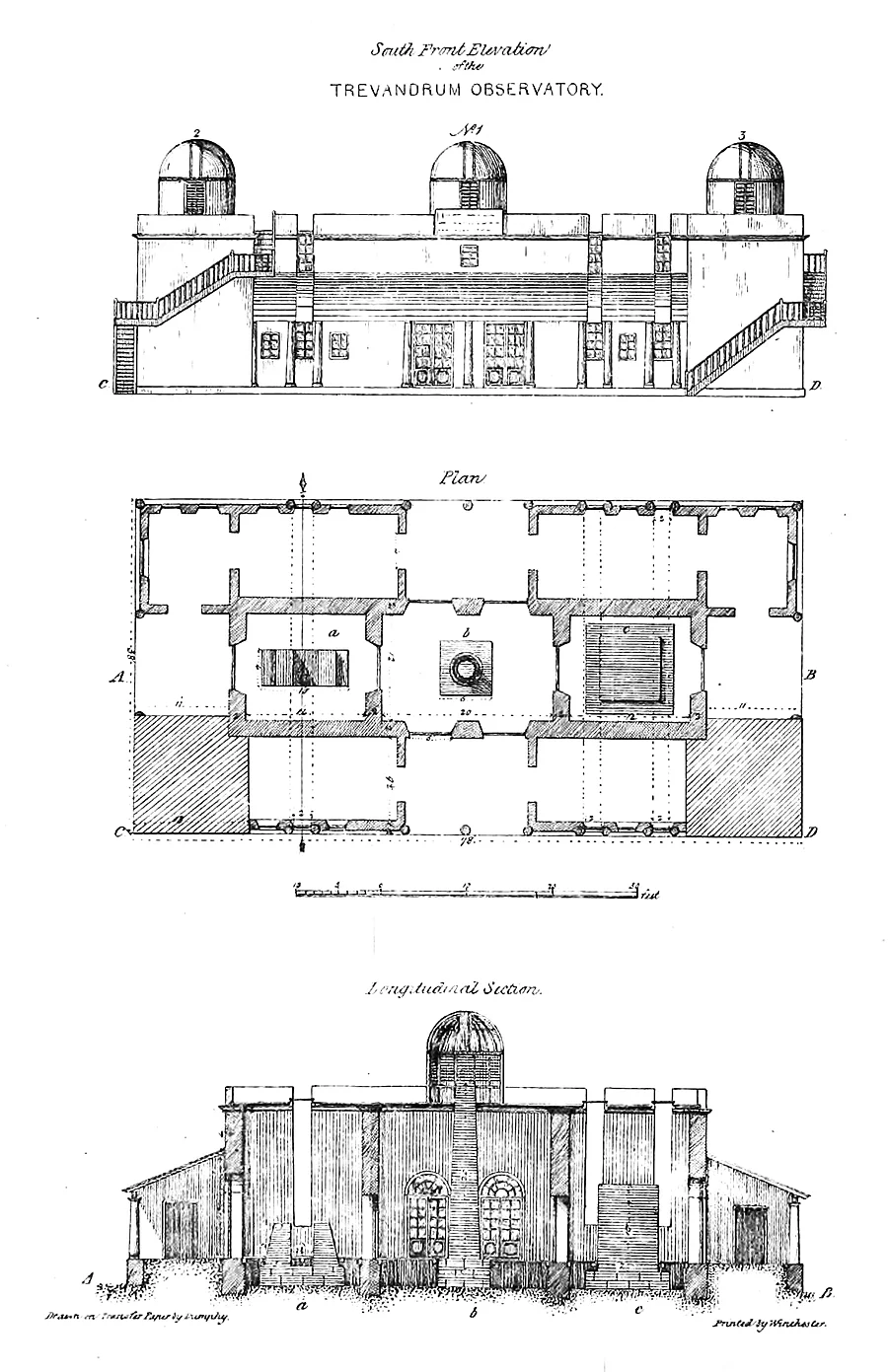
- Swathi Thirunal Rama Varma (reigned 1829–1846) was one of India's great composers of Carnatic and Hindustani music, a scholar of many languages, and a patron of science. In 1837 he founded the Trivandrum Observatory, run by the astronomer John Caldecott, one of the earliest modern observatories in India. His palace, the Kuthira Malika (Puthen Malika), with its rows of carved wooden horses, stands beside the temple.
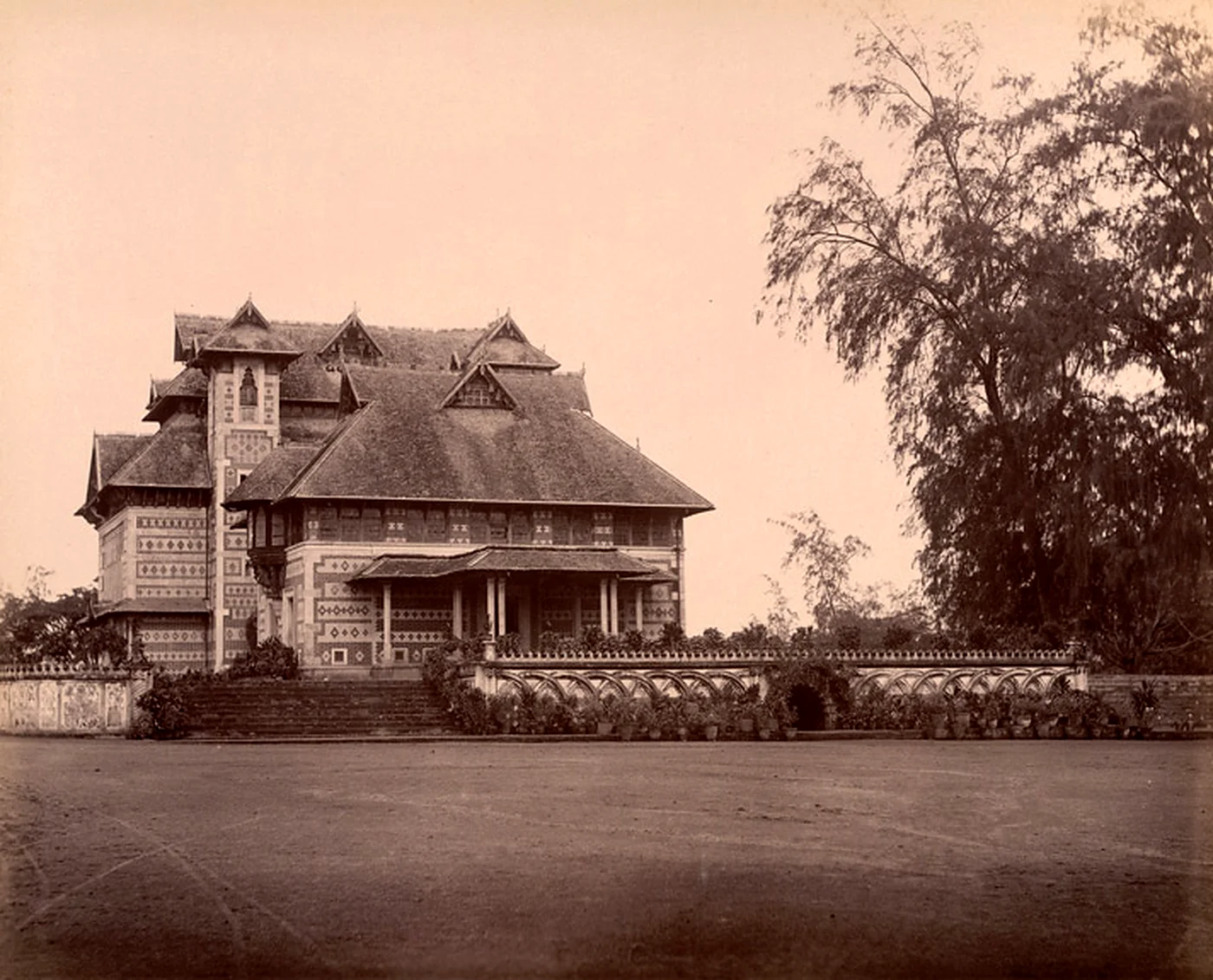
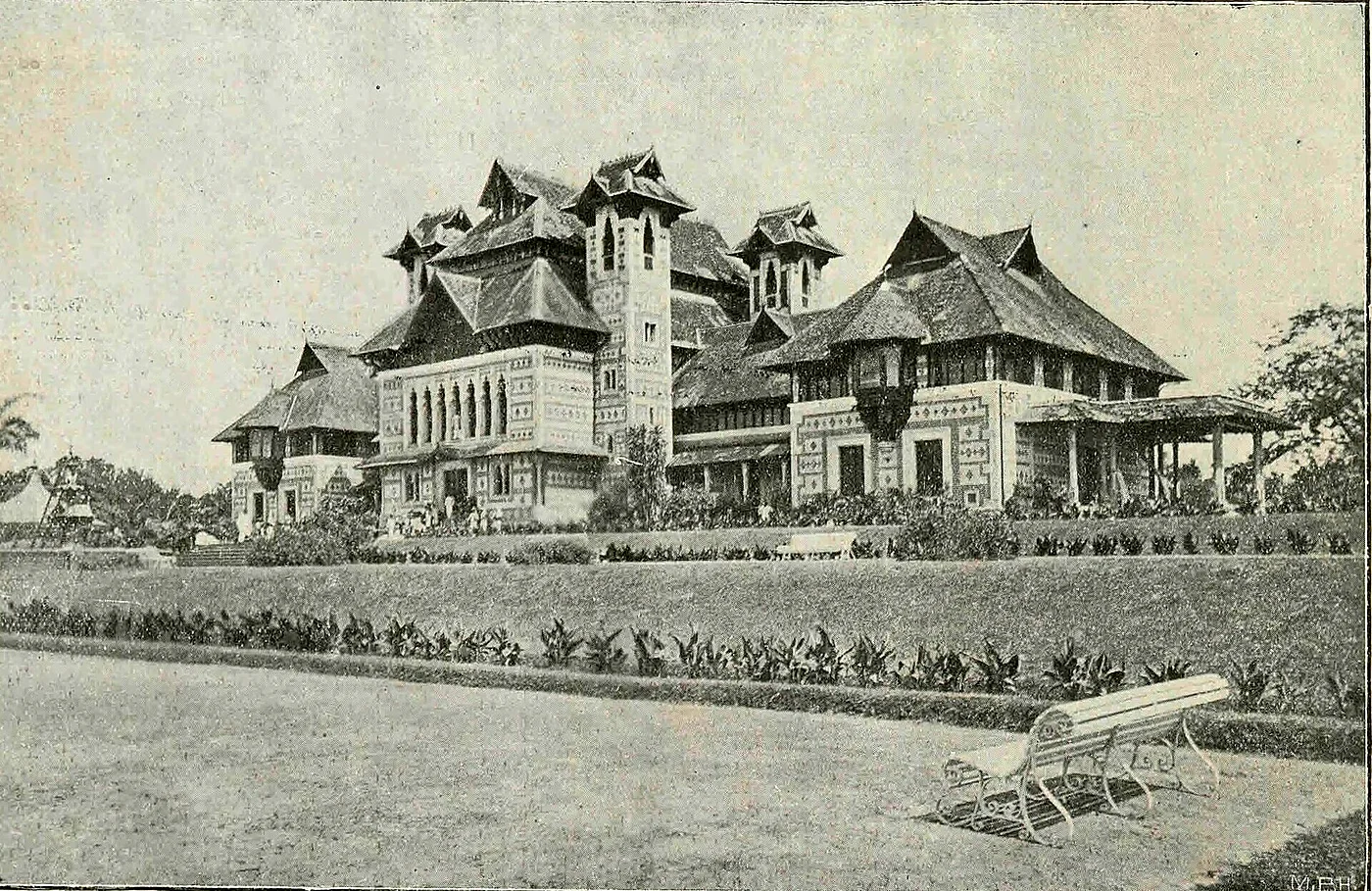
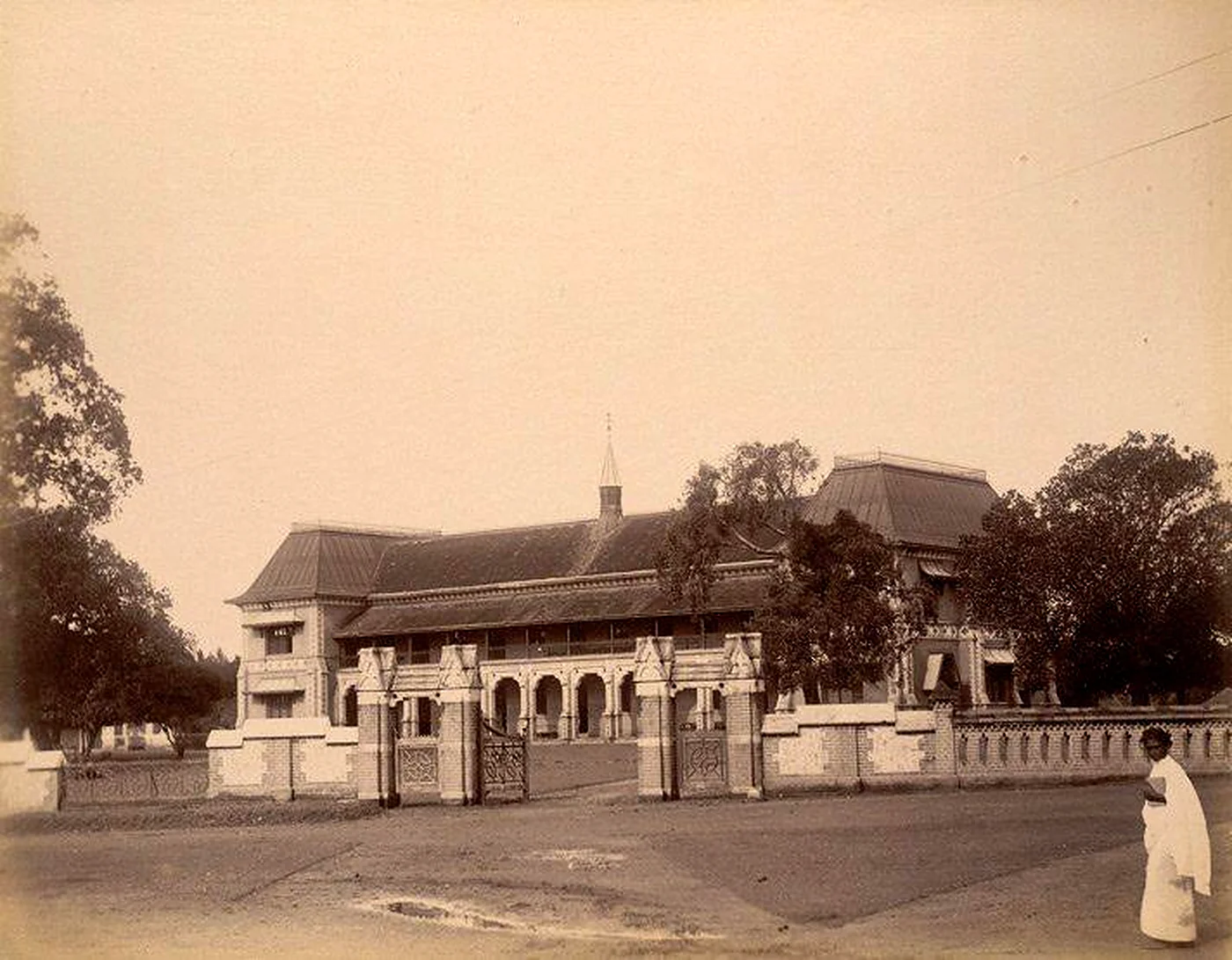
- The Maharaja's (University) College traces its roots to a school founded in 1834, and the Napier Museum, named after Lord Napier, Governor of Madras, opened in its present building in 1880, a fantasy of Kerala and Indo-Saracenic styles designed by Robert Chisholm.
- The court photographer Zachariah D'Cruz documented the city in the 1890s and 1900s; several of his photographs illustrate this article.
The Temple Entry Proclamation, 1936
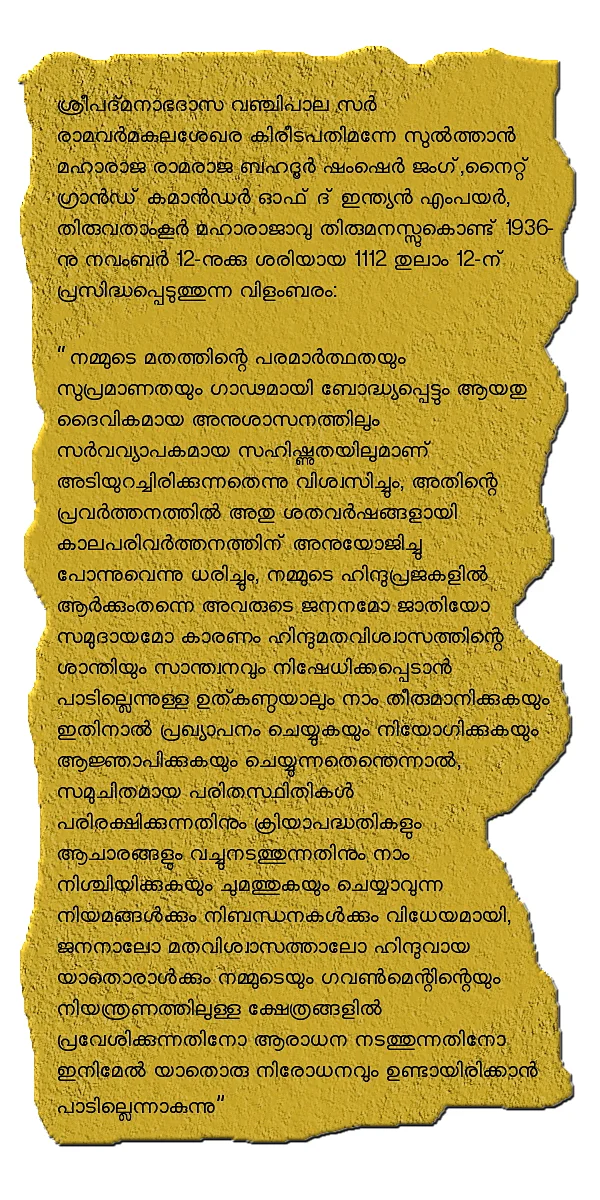
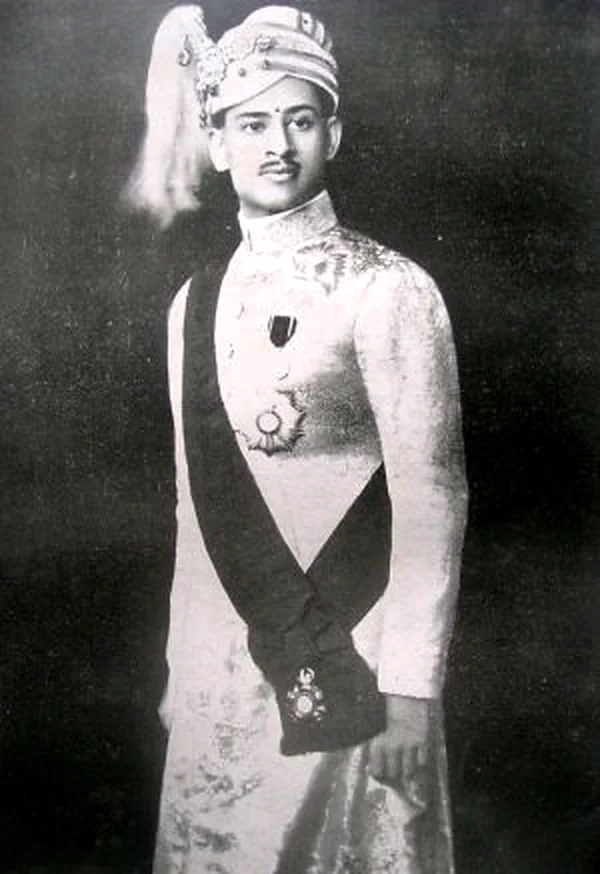
For centuries, people of the "lower" castes, the Ezhavas, Pulayas, Parayas and many others, were forbidden to enter Kerala's temples, and even to use the roads around them. Reformers such as Sree Narayana Guru and the struggles of the Vaikom Satyagraha (1924–25) and the Guruvayur Satyagraha (1931–32) made temple entry the great social question of the age. On 12 November 1936, the eve of his 24th birthday, the young Maharaja Sree Chithira Thirunal Balarama Varma issued the Temple Entry Proclamation, opening all temples under the government of Travancore, including the Padmanabhaswamy temple, to every Hindu regardless of caste.
Mahatma Gandhi hailed it, writing that the Maharaja had earned the title of "Mahatma" by this act and hoping that other Hindu princes would follow. The Dewan, Sir C. P. Ramaswami Iyer, presented it as the voluntary act of a sovereign.
Our assessment: a gift, or a victory?
Both statements are true, and neither is complete. The proclamation was legally the Maharaja's act, and he and his advisers deserve credit for making it without the violence or delay seen elsewhere. But it came after more than a decade of satyagrahas, petitions and pressure from the Ezhava and Dalit communities, Sree Narayana Guru's movement and the national movement, which had made reform politically inevitable. Our view: it is best seen as a victory won by those who struggled for it, granted wisely by a ruler who understood the times.
Visiting the temple
- Entry: only Hindus are allowed inside; visitors may be asked to sign a declaration. Mobile phones and cameras are not permitted; lockers are available.
- Dress: men must wear a mundu or dhoti, bare-chested or with a shawl; women must wear a saree, a mundu-and-neriyathu, or a long skirt and blouse. Dhotis can be hired at the entrance.
- Timings: the temple opens early in the morning and closes in the afternoon, reopening in the evening; check the current schedule, which changes on festival days.
- Festivals: the Alpashi and Painkuni festivals end with the Aarattu procession to Shanghumugham beach, where the deity's image is bathed in the sea, and the airport's runway is closed to let the procession pass, a tradition the airport has kept since it opened. The Lakshadeepam, when a hundred thousand lamps are lit, comes once in six years.
- Nearby: Kuthira Malika palace museum, Napier Museum and the Sree Chitra Art Gallery (with paintings by Raja Ravi Varma), Kowdiar and the Kanakakunnu palace.
Read also: The Sree Moolam Club and Raja Ravi Varma · Fort Kochi · Keezhthali temple · The history of Munnar
See it for yourself, with a local driver who knows these roads.
Book a Munnar Jeep SafariSources & further reading
- Encyclopaedia Britannica: Padmanabhaswamy Temple
- Wikipedia: Padmanabhaswamy Temple treasure
- Onmanorama (2022): Sreepadmanabhaswamy temple, history and mystery
- The News Minute (2020): SC upholds Travancore royal family's administrative rights
- Wikipedia: Temple Entry Proclamation
- The Quint: Padmanabhaswamy temple verdict explained
Figures are from the sources listed and were checked in October 2026. Park timings and road conditions change, so please confirm before you travel.