
The Chendamangalam Synagogue and the Oldest Jewish Tombstone in India
In a village where a temple, a mosque, a church and a synagogue stand within walking distance of each other, the small Chendamangalam synagogue keeps a gilded ark, a painted lotus ceiling and, at its door, the gravestone of Sarah bat Israel, dated 1269, the oldest Jewish epitaph found in India.
Kerala's Jewish heritage: The synagogues of Kerala · Paradesi · Kadavumbhagam & Thekkumbhagam · Paravur · Chendamangalam · Mala · The Jew ponds · The Jews of Kerala
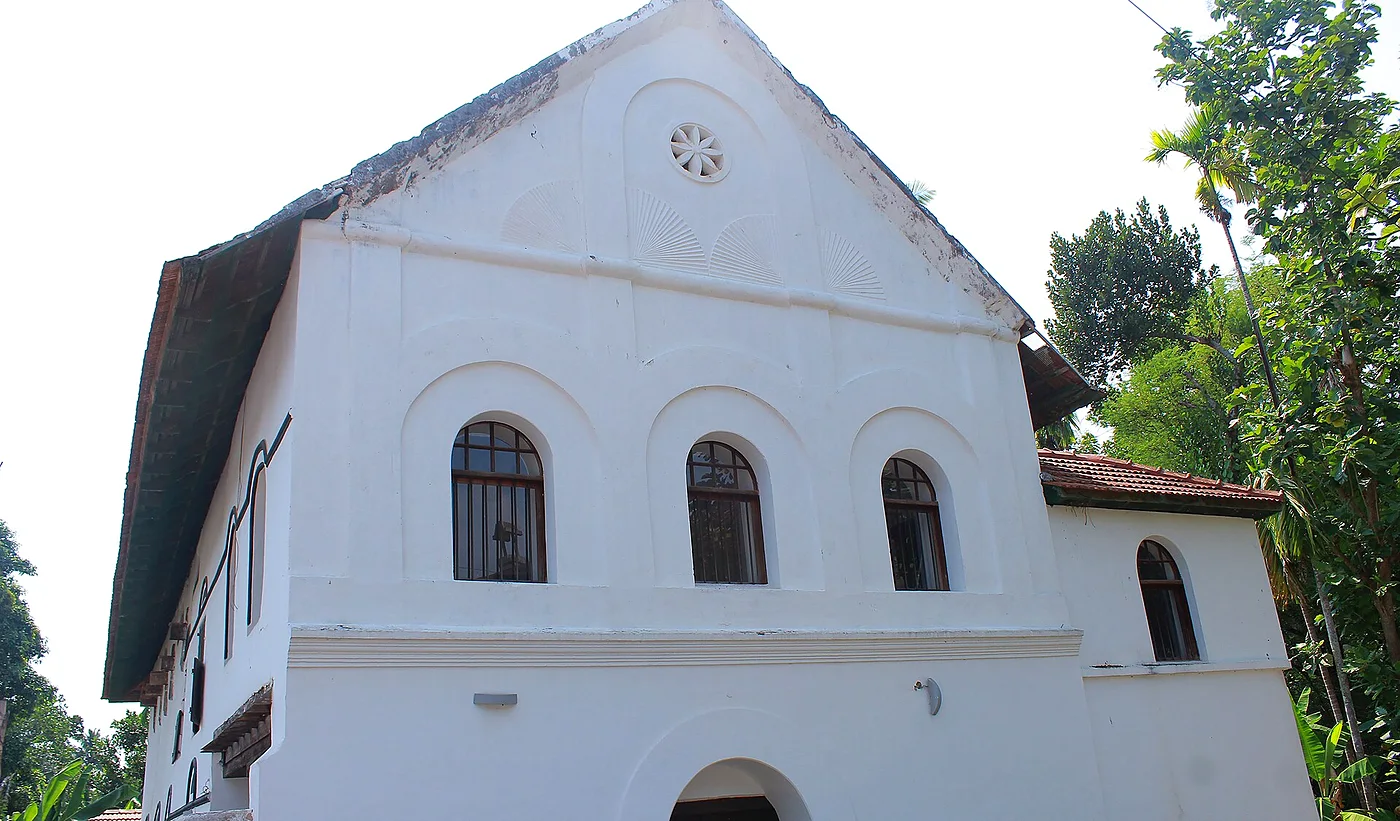
Chendamangalam, a village on the Periyar delta near North Paravur, was for centuries the seat of the Paliath Achans, hereditary prime ministers of the Kingdom of Cochin. It is famous as a place where Hindus, Christians, Muslims and Jews lived side by side: a temple, a church, a mosque and a synagogue stand within a short distance of each other on the hill of Kottayil Kovilakam. The synagogue is the smallest in Kerala, but one of the most beautiful.
History
Jewish families are said to have moved here from Kodungallur and Palayur. Tradition dates the first synagogue to 1420, on land given by the local ruler (accounts differ between the Villarvattom chiefs and the Paliath family). After a fire it was rebuilt in 1614, and it was renovated several times later. Some writers give other dates, including 1565, which shows how uncertain the early history is. The congregation emigrated to Israel in the 1950s and 1960s, and worship ended. The Cochin State archaeology department repaired the building in the 1930s and declared it protected; it was later neglected, restored again and reopened in the 2000s, and is now the Kerala Jews Lifestyle Museum of the Muziris Heritage Project.
Sarah bat Israel, 1269
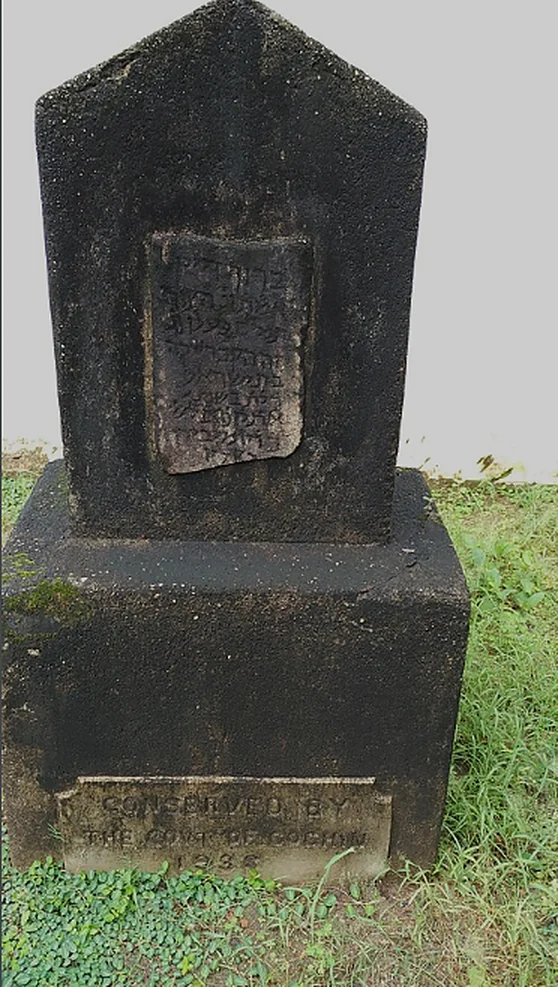
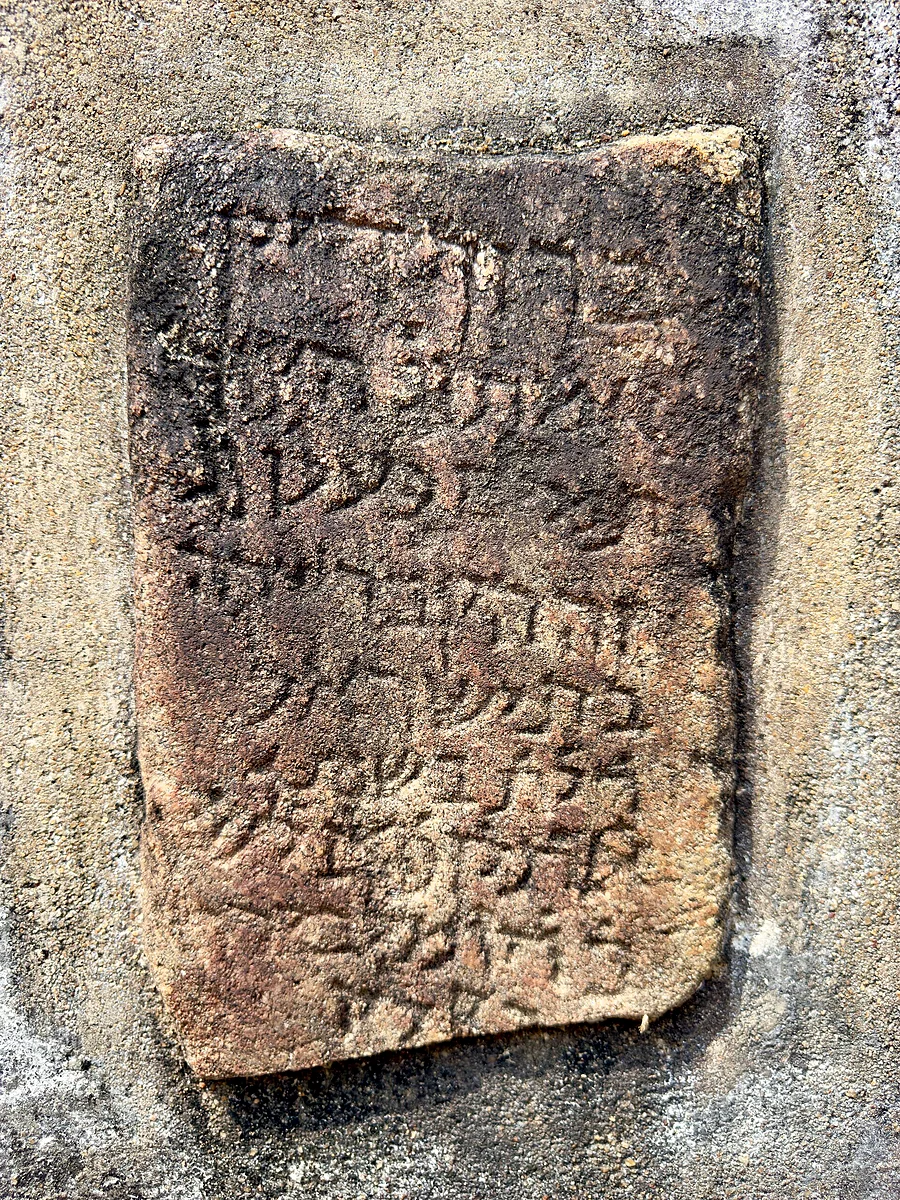
In front of the synagogue stands a weathered stone with a Hebrew inscription: the gravestone of Sarah, daughter of Israel, who died in the month of Kislev of the year 1581 of the Seleucid era, that is, about November 1269 CE. It is the oldest Jewish epitaph known in India. The stone was found at Kodungallur, the old Jewish centre, and brought here, a precious piece of evidence that Jews were living and burying their dead on the Kerala coast in the 13th century.
Inside
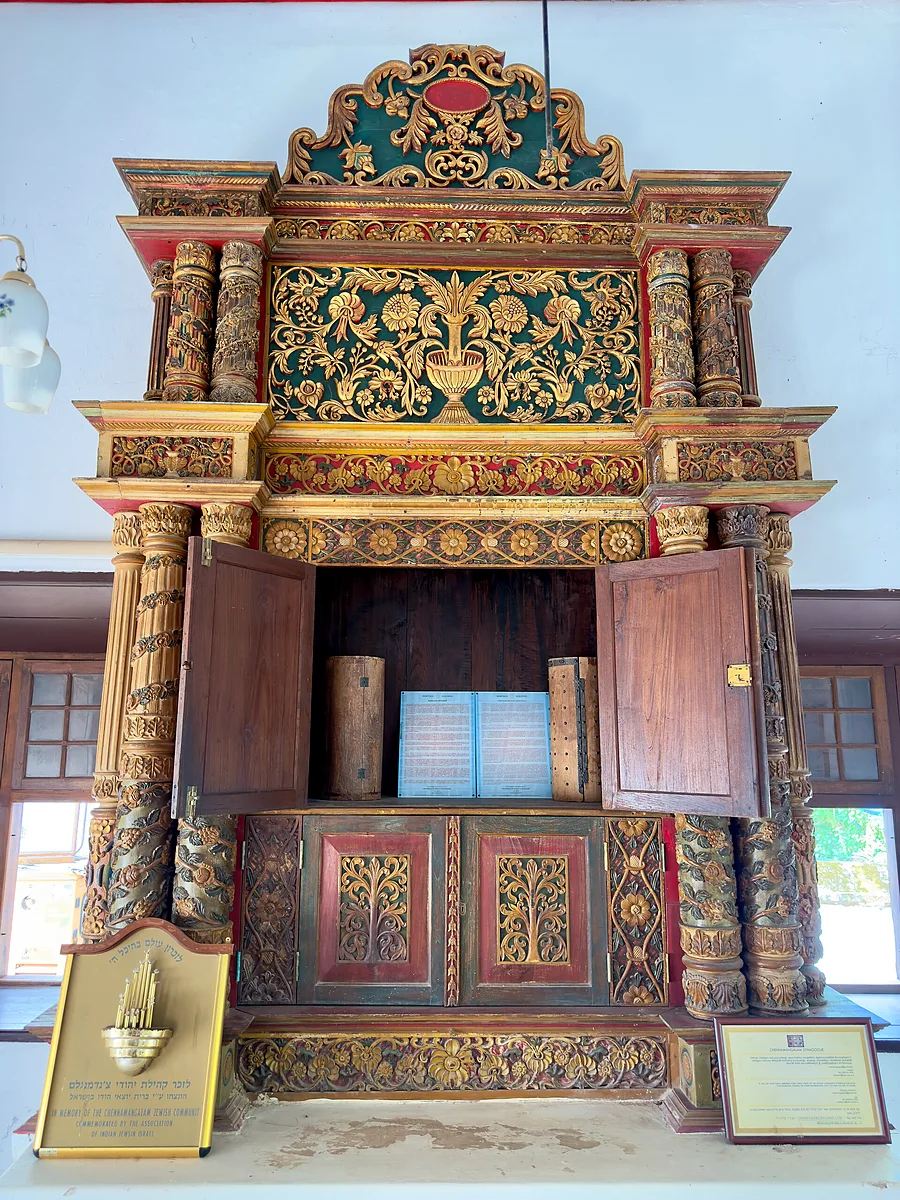
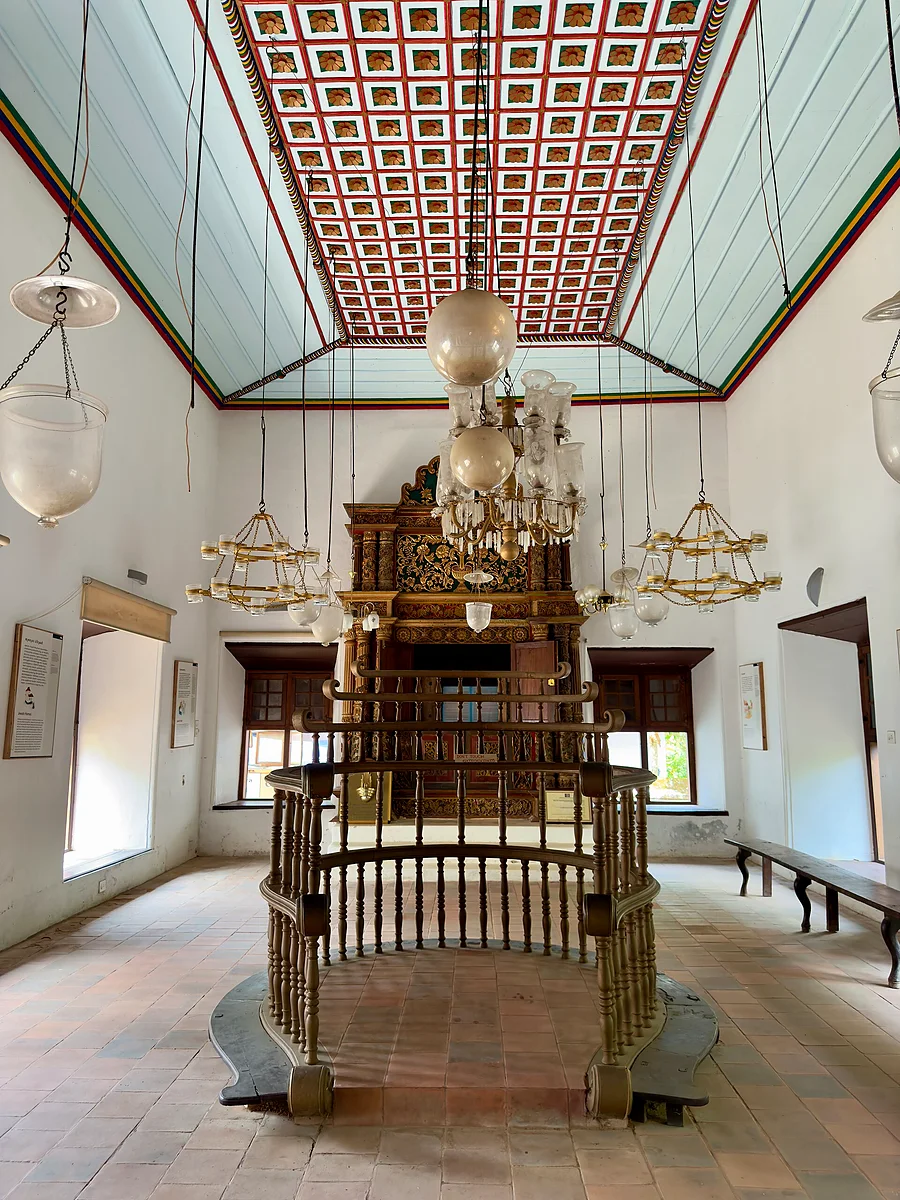
- The ark (heikhal): one of the most ornate in Kerala, carved and gilded with fine filigree, sometimes described as Italianate in style, crowned with the insignia of the tribe of Judah.
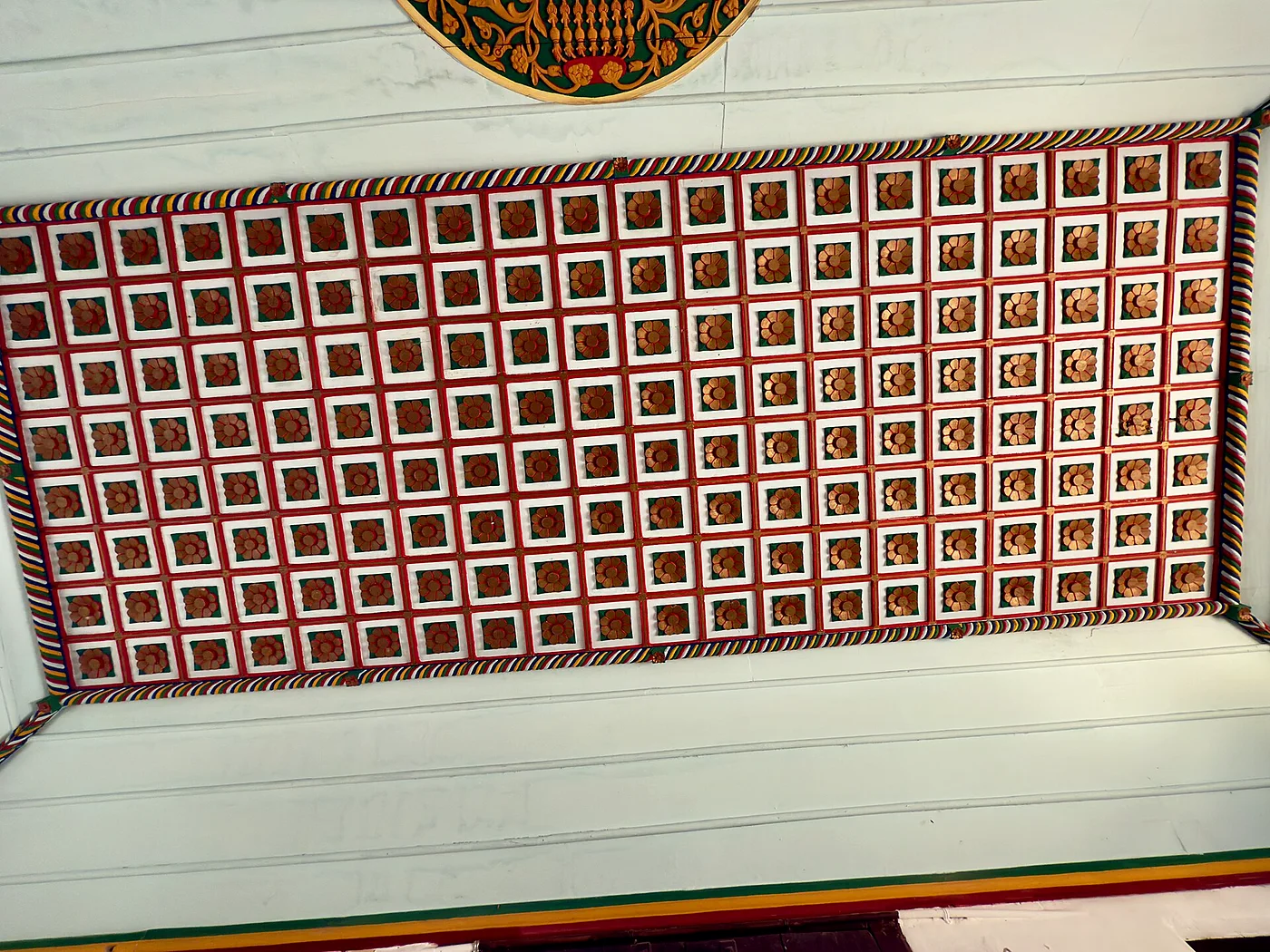
- The ceiling: wooden panels painted with lotus flowers in rich reds and greens.
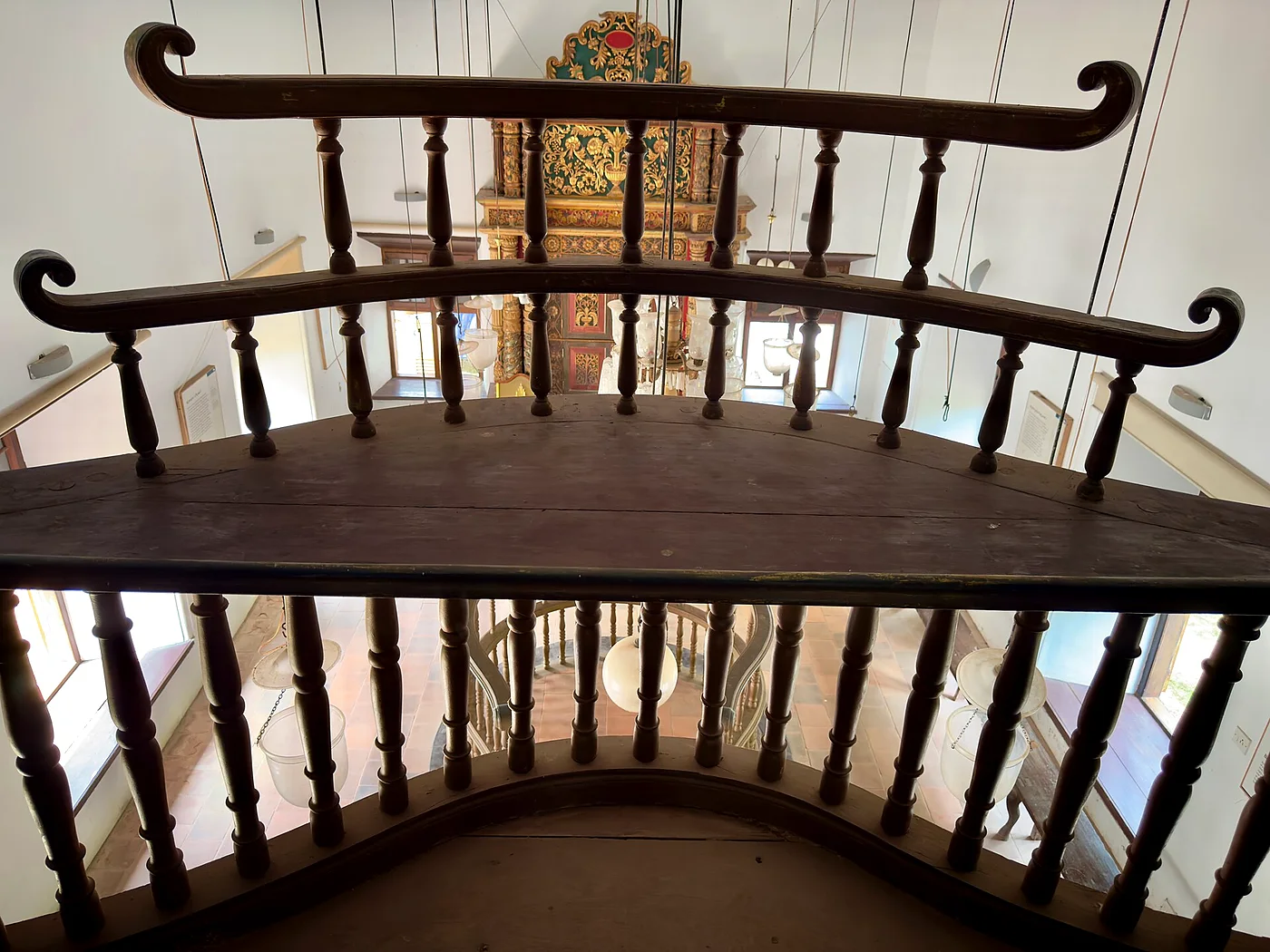
- The tevahs: a central reading platform, and an upper tevah projecting from the women's gallery, supported on carved pillars and reached by a spiral staircase.
- Lamps: coloured glass and metal lamps once hung from the ceiling; several have been recreated.
Other inscriptions
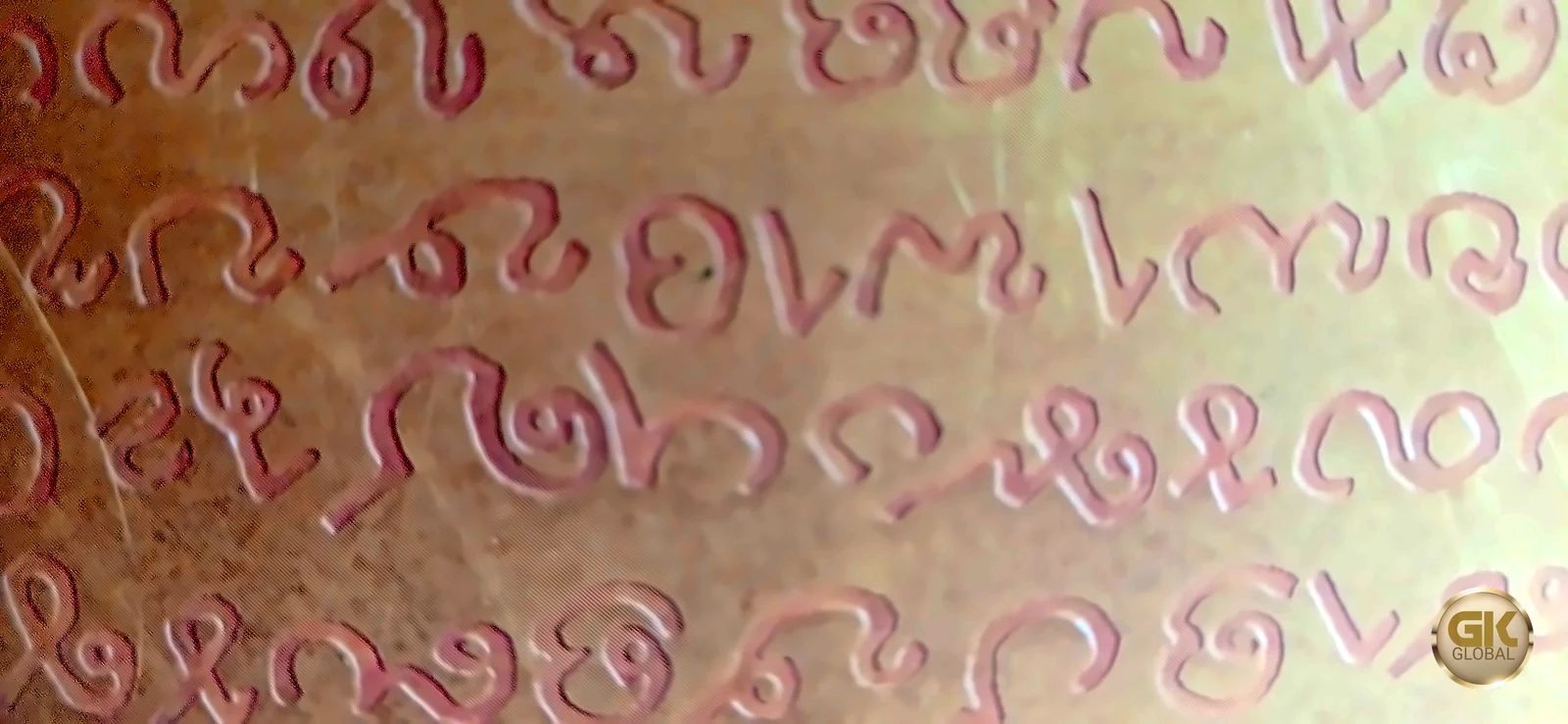
Several other inscribed stones, including Hebrew gravestones from the Jewish cemetery on the slope to the east, have been gathered around the synagogue. An inscribed metal plate, apparently a reproduction of an old copper-plate grant, is also displayed.
Visiting
- Where: Kottayil Kovilakam, Chendamangalam, Ernakulam district, about 5 km from North Paravur.
- Open: usually 10 am to 5 pm, closed on Mondays (Muziris Heritage Project). Check locally.
- Nearby: the Paliath Achan's palace, the Vypeekotta Seminary ruins, the Chendamangalam handloom weavers, and the Paravur synagogue.
See it for yourself, with a local driver who knows these roads.
Book a Munnar Jeep SafariSources & further reading
- Wikipedia: Chendamangalam Synagogue
- Kerala Tourism (Muziris): The Chendamangalam Synagogue, Kerala Jews Lifestyle Museum
- Hadassah Magazine (2017)
Figures are from the sources listed and were checked in October 2026. Park timings and road conditions change, so please confirm before you travel.