
The Parsis of Malabar: Timber, Soda Water and the Last Family of Kozhikode
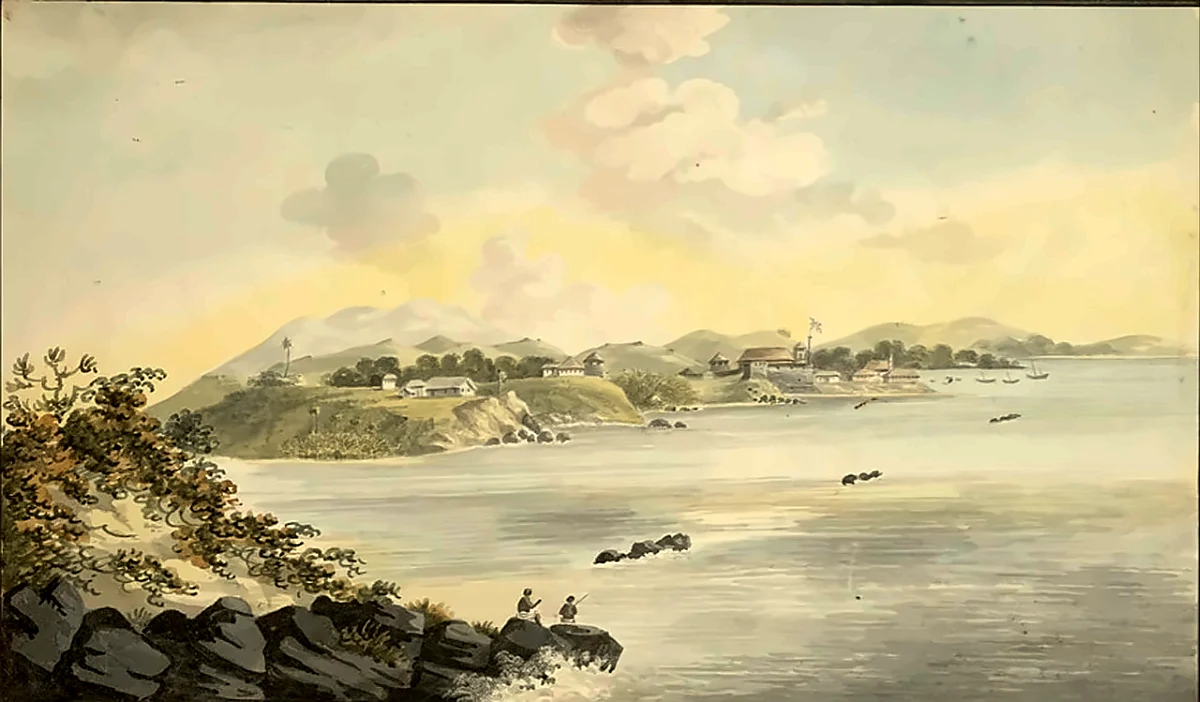
From the 1790s, a few hundred Zoroastrian traders from Gujarat and Bombay made Tellicherry, Cannanore and Calicut their home, building sawmills, tile works and ice factories. Today one family remains, tending a prayer hall and graveyard hidden behind a gate on SM Street.
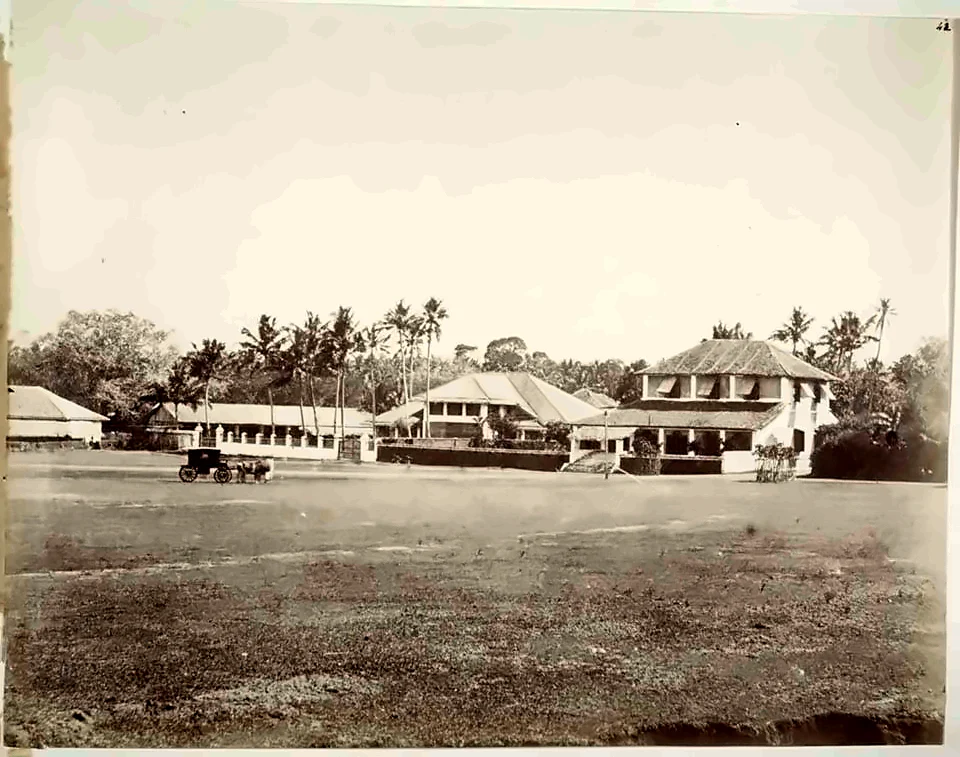
Halfway along SM Street in Kozhikode, between the halwa shops and the shoe showrooms, there is a closed gate with creepers on it. Behind it stand a small prayer hall, a priest's quarters, a rest-house for travellers and a graveyard of more than 160 Parsis. Few of the thousands who walk past every day know it is there.
This is the Parsi Anjuman Baug, the only working Parsi religious site in Kerala. Inside, a fire burns under a copper canopy, and a hundred chairs wait for a congregation that no longer exists. The Parsis of Kozhikode are down to one family, the Marshalls.
The popular version of this story speaks of an eighteenth-century fire temple and a Tower of Silence in Kozhikode. The evidence tells a slightly different and more interesting story, and this article follows the evidence. As always, our own assessments are clearly marked.
At a glance
- Where: Kozhikode (Calicut), Thalassery (Tellicherry) and Kannur (Cannanore); smaller traces in Kochi and Alappuzha.
- When: first recorded settlement at Tellicherry, 1791–92; Calicut community from the 1850s; a peak of perhaps 200–300 people in the early twentieth century; one family today.
- Who: the Kharas/Hirjee family of Tellicherry; the Mugaseth, Dalal, Heerjee and Marshall families of Calicut.
- What survives: the Parsi Anjuman Baug on SM Street, Kozhikode (prayer hall, priest's quarters, rest-house and graveyard), and a neglected burial ground in Kannur.
- What does not: the Tellicherry burial ground and prayer hall, the old Cochin cemetery, and a Tower of Silence reportedly consecrated at Alleppey in 1807.
Who the Parsis are
The Parsis are Zoroastrians whose ancestors left Iran after the Arab conquest and settled on the coast of Gujarat, probably in the tenth century. For centuries they were farmers, weavers and small traders. From the seventeenth century they became brokers, agents and shipbuilders for the European companies, and by the nineteenth century Bombay was the centre of Parsi life and Parsi money.
From Bombay, Parsi traders followed British power along the coasts of India. Malabar, with its timber, pepper, coir and coffee, was an obvious place to go.
Tellicherry, 1791: the first settlers
The first Parsi known to have settled in Kerala was Seth Hirjee Manekji Kharas. He came to Tellicherry, the British trading post in North Malabar, in 1791–92, just after Tipu Sultan's armies had been driven out of the region. He bought a hill called Pimole Mala, which became known as Parsi Kunnu, the Parsi hill, and set out a burial ground on it. In 1797 a second settler, Bomanji Ratanji Captain, built a prayer hall on the same site.
The Tellicherry Parsis traded far inland. A member of the Hirjee family travelled with a delegation from the Raja of Coorg to the British at Madras, carrying the Raja's portrait as a gift. The community also left a name behind: the Basel Evangelical Mission Parsi School in Thalassery, founded in 1856, honours the Parsi donor Seth Kaikose Ruderasha.
The burial ground and prayer hall on Parsi Kunnu have since disappeared; Parsi researchers today describe them as untraceable.
Cannanore: a gift from the Arakkal ruler
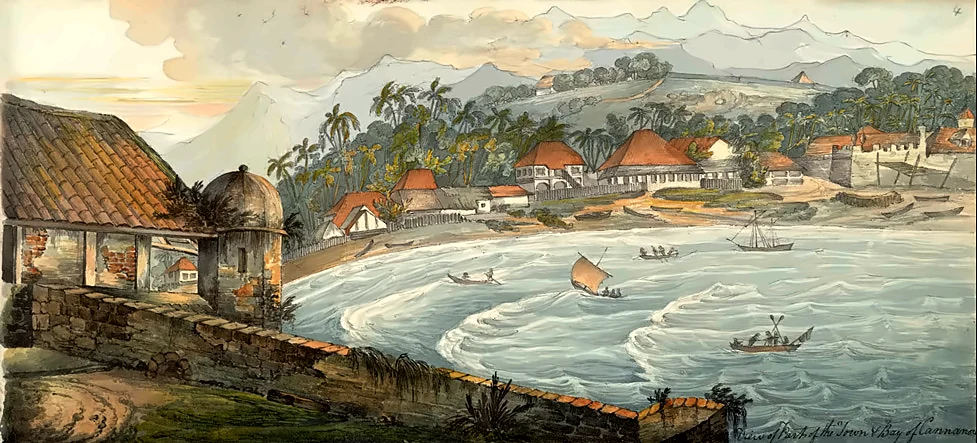
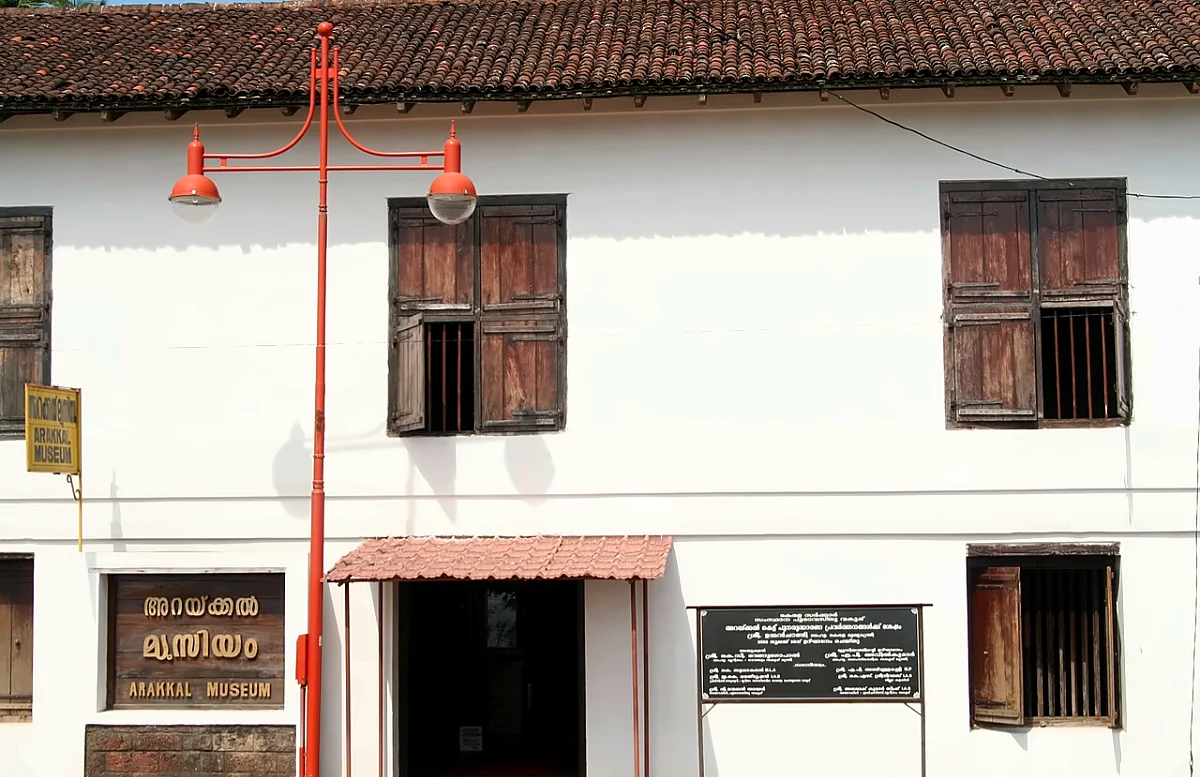
At Cannanore (Kannur), a Parsi merchant rented a walled property with a bungalow in 1837 for the community's use. In 1865 the land's owner, Sultan Ali Raja of the Arakkal family, Kerala's only Muslim royal house, gave it outright to the Parsis. The bungalow became a prayer hall, with a plaque reading ‘PARSI BURIAL GROUND 1837’. Most of the land has since been encroached on; as of 2024 the last Parsi resident of the town looked after what remains.
Calicut: sawmills, tiles and soda water
Calicut's Parsi story begins in the 1850s with Dhanjibhai Manekji Mugaseth, who came from Bombay and worked as dubash, agent, for the British trading house Pierce Leslie. He set up Malabar's first steam-powered sawmill and, using clay from the Feroke river, its first tile factory. Feroke today has more than a dozen tile factories. Not every venture worked: an attempt to carry Wayanad coffee down the ghats on camels brought from Kutch failed in the wet tropics.
Mugaseth also founded the Calicut Parsi Anjuman, the community association, and built its rest-house. His descendants ran an ice factory, opened in 1906 and said to be the first in the Madras Presidency, as well as the Calicut Tile Company, a ropery and insurance agencies. Dr Kobad Mugaseth became one of the town's best-known doctors.
Other families followed. The Dalals, from Broach in Gujarat, traded in salt and cotton yarn from the 1870s, and from 1900 exported Malabar rosewood to Germany and England. The Heerjees kept a shop of imported European goods; William Logan's Malabar Manual (1887) mentions their aerated-water works. The Marshalls arrived in the early twentieth century; in 1920 Feroz Marshall opened what is said to be the first motor spare-parts shop in Malabar.
The community was always small. Darius Marshall, the last of his generation, recalled a peak of 200 to 300 people. In the 1911 census, Cochin State, south of Malabar, recorded just five Parsis, all in Thrissur.
Our assessment: a small community with a large footprint
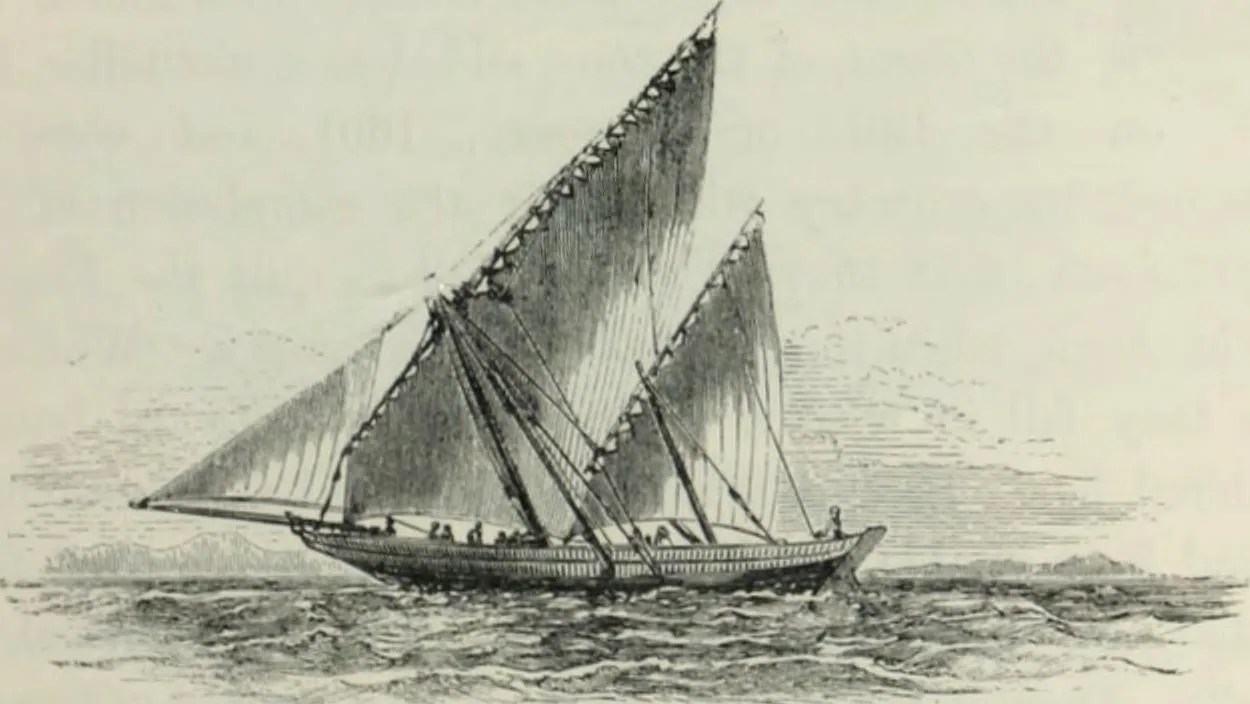
At no point were there more than a few hundred Parsis in Malabar, yet they left marks out of all proportion to their numbers: the first steam sawmill, the first tile works on the Feroke river, early ice and soda factories, timber and rosewood exports.
Their story is less about religion than about enterprise, and about how Bombay capital and know-how reached the Malabar coast in the nineteenth century.
The Anjuman Baug
The SM Street complex grew up in the mid-nineteenth century on land acquired by Dhanjibhai Mugaseth. Its graveyard is the clearest guide to its age: the earliest dated tomb reported there is from 1860, and Parsi sources name Seth Burjorji Faramji Mehta, buried in 1868, as the first person laid to rest. The prayer hall was renovated in 1920. Its last resident priest, Ervad Faredoon Dastur of Udvada, served until 1991.
The hall's walls carry paintings of Zarathustra. Only Parsis may enter. Before prayers, worshippers wash and retie the sacred cord, the kusti, then feed the fire with sandalwood.
No Tower of Silence
Zoroastrian tradition holds that a corpse pollutes earth and fire. In Bombay and Gujarat, Parsis lay their dead in a dakhma, a Tower of Silence, where vultures strip the bones. Malabar's Parsis were too few for that. They buried their dead in an aaramgah, a walled garden of graves, at Tellicherry, Cannanore and Calicut. As Darius Marshall put it, a tower was ‘not viable’ in Kozhikode.
The one hint of a Tower of Silence in Kerala comes from Alleppey (Alappuzha): a single reference in a Parsi encyclopaedia says a dakhma was consecrated there in 1807 by Seth N. C. Narielvala. No trace of it has been found.
What is proven, and what is not
- Parsis settled at Tellicherry in 1791–92: documented, in the Parsee Prakash (1888), quoted by later researchers.
- The Kozhikode fire temple is eighteenth-century: not supported. The earliest dated grave is from 1860, the first recorded burial from 1868, and the founder arrived in the 1850s. The ‘eighteenth century’ and ‘200 years old’ of tourism and press pieces appear to be repeated estimates.
- William Logan dated Parsi settlement in Kozhikode to about 1670: not confirmed. The claim is quoted on a heritage website; we could not find it in the Malabar Manual.
- A Zamorin donated the Kozhikode site: unconfirmed. It was reported from an inscription in a 2012 press piece; other sources credit Dhanjibhai Mugaseth with acquiring the land.
- A Tower of Silence stood in Kozhikode: no. Kerala's Parsis buried their dead.
- A Tower of Silence was consecrated at Alleppey in 1807: unverified; a single reference, with nothing found on the ground.
- Kerala's Parsis peaked at 200–300 people: an oral estimate by Darius Marshall; no census figure for Malabar has been found.
Our assessment: why the dates got older
Popular accounts make the Kozhikode temple eighteenth-century and ‘over 200 years old’. We think this mixes up the 1790s Tellicherry settlement with the later Calicut one, and borrows the familiar Bombay picture of a Tower of Silence. The graves, the family histories and the founder's own arrival in the 1850s all point to a mid-nineteenth-century complex.
That does not make it less important: it is still Kerala's only working Parsi religious site, and one of the oldest in peninsular India.
Kochi and the south
Kochi had Parsi traders too, though they left little behind. The first grave at Tellicherry belonged to Seth Meherwanji Lala of Cochin, and Cochin once had its own Parsi burial ground, now lost. Kochi's foreign communities are usually remembered as Jewish, Gujarati, Konkani and Dutch; the Parsis were a thin thread among them.
Why they left
The Parsis of Malabar did not leave all at once. Many families left after the Malabar rebellion of 1921. Others went for business reasons: falling incomes, land ceiling laws, and disputes with headload workers' unions. Some moved to Bombay, others as far as Rangoon and Mandalay, where one Calicut family is said to have run King Thibaw's postal service.
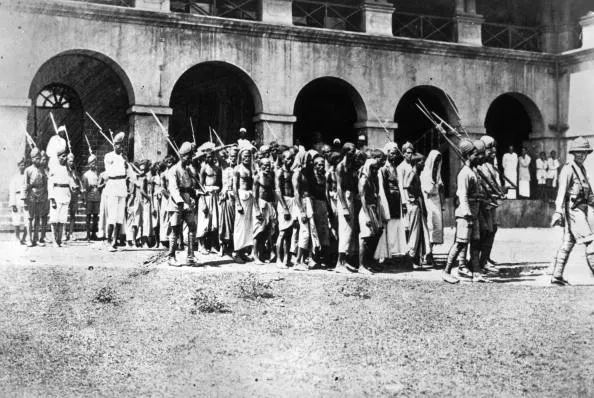
The Second World War took others. The writer Raghu Karnad, whose grandmother Nurgesh Mugaseth was born in Calicut, traced how her brother, husband and brother-in-law all went to war and did not come back; that story became his book Farthest Field (2015). The jurist Fali S. Nariman also had maternal roots in the town.
Today the Marshall family, still running the spare-parts business founded in the 1920s, is all that remains of Parsi Kozhikode.
Our assessment: a heritage at risk
The Tellicherry and Cochin burial grounds are already lost, Kannur's is largely encroached, and the Kozhikode hall has had no resident priest since 1991. When the last family can no longer tend it, the site will depend on the Bombay Parsi institutions and on the city.
A heritage listing, and a record of its graves and inscriptions, would cost little and preserve a great deal.
Visiting
- Parsi Anjuman Baug, SM Street, Kozhikode: behind a gate near the middle of SM Street, not far from the railway station. Only Parsis may enter. Visitors can see the gate and outer wall from the street; please don't climb, photograph over the wall or disturb the family.
- SM Street itself: the old Mittai Theruvu, famous for Kozhikodan halwa. Combine with the Kuttichira mosques and the Tali temple.
- Thalassery: the Basel Mission Parsi School, the fort and the old British quarter. Parsi Kunnu is not marked, and the burial ground cannot be found today.
- Kannur: the Arakkal Museum, home of the family that gave the Parsis their land in 1865, and St Angelo Fort.
- From Munnar: Kozhikode is a long day's drive, about seven to eight hours; the train from Aluva or Ernakulam is easier.
Read also: Kozhikode and Kappad · Thalassery · Kannur · The Malabar Rebellion of 1921 · The Jews of Kerala
See it for yourself, with a local driver who knows these roads.
Book a Munnar Jeep SafariSources & further reading
- Maddy, 'Parsee families of Calicut', Historic Alleys (2023)
- Parsi Times: Calicut, Parsi gateway to peninsular India (2024)
- Parsi Times: Parsi settlement in Madras, Tellicherry, Cannanore, Cochin and Alleppey (2024)
- Raghu Karnad, 'Family matters' (Mint, 2016), via Parsi Khabar
- Parsi Khabar: The Marshalls keep the Parsi flame alive in Kozhikode (2013)
- Deccan Chronicle (2012), via Parsi Khabar: Lone worshippers of the only Parsi temple in Kozhikode
- Onmanorama: What the 1911 census revealed about the Parsis of Cochin (2023)
- Calicut Heritage: The erstwhile Zerdusht people of Malabar
- Kerala Tourism: Parsi Anju Amman Baug, Kozhikode
- William Logan, Malabar Manual (1887)
Figures are from the sources listed and were checked in November 2026. Park timings and road conditions change, so please confirm before you travel.