
The Kappiris of Kochi: Enslaved Africans, Walled-Up Treasure and the Spirit Who Smokes a Cigar
For three centuries the Portuguese and then the Dutch held enslaved people in Fort Kochi, among them Africans the town called kappiri. The archives record their labour and their sale; the lanes of Mattancherry remember them as Kappiri Muthappan, a guardian spirit still offered toddy, cigars and candles.
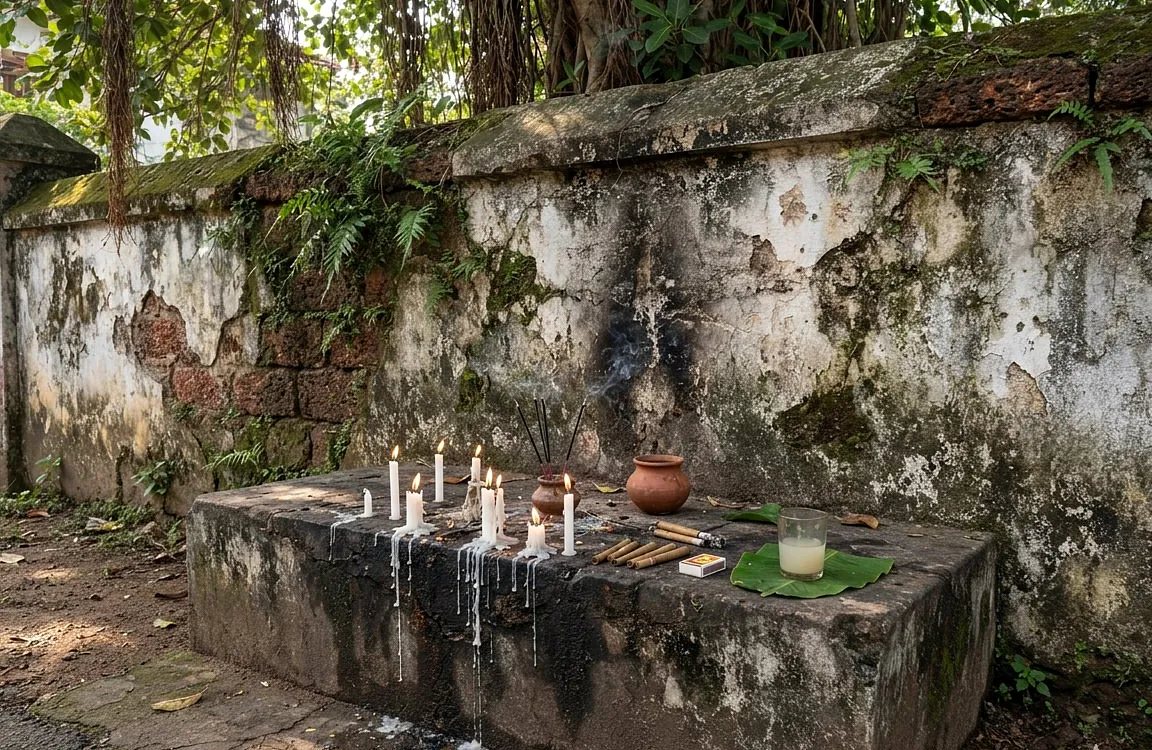
In the lanes of Mangattumukku in Mattancherry there is a shrine with no idol, no inscription and no religious symbol. It is a low black platform. People light candles on it, and leave flowers, tender coconuts, cigars, sometimes a bottle of toddy.
The spirit they honour is Kappiri Muthappan. Muthappan means grandfather or ancestor-god. Kappiri is the old Malayalam word for an African. Ask a neighbour who he was and you will hear the same story: he was an African slave of the Portuguese, chained inside a wall with his master's gold, and he still guards it.
That story is a legend. But the slavery behind it is real, and well documented. This article tries to keep the two apart, and to show how a town turned one of the cruellest parts of its past into a friendly, cigar-smoking guardian. As always, our own assessments are clearly marked.
At a glance
- Where: Fort Kochi, Mattancherry (the Mangattumukku shrine) and Vypin, Ernakulam district; related African spirit shrines along the west coast from Goa to Kochi.
- When: Portuguese Cochin 1503–1663; Dutch Cochin 1663–1795; British 1795–1947. The cult is known from oral tradition and from fieldwork since the 2010s.
- Who: enslaved East Africans (Portuguese cafres, Malayalam kappiri); enslaved Pulayas, Parayas and Ezhavas of Malabar; Portuguese, Dutch and Luso-Indian owners; the historian K. L. Bernard, who wrote down the treasure-wall tradition.
- Documented: Portuguese and Dutch slaveholding in Kochi, the export trade in slaves, and Africans serving as peons, soldiers and household slaves.
- Tradition only: that in 1663 the departing Portuguese walled up African slaves alive to guard buried treasure.
- Today: a living, imageless cult at roadside shrines and in family sacred groves.
A word with a long journey
The word has travelled across three languages. Arab traders used kāfir, unbeliever, for non-Muslim Africans on the Swahili coast. The Portuguese borrowed it as cafre, and by the sixteenth century it mostly meant people from the region of present-day Mozambique, where their slave buying had moved. In Kerala it became kappiri.
The word is therefore a slur in origin, although few people in Kochi who use it today know that. In this article we use it where the community and the cult use it, as a proper name, and ‘enslaved Africans’ elsewhere.
Slaves in Portuguese Cochin, 1503–1663
Slavery was not new to Kerala when the Portuguese arrived. Records of slave transactions on the Malabar coast reach back to the ninth century, and agrestic slavery tied Pulayas, Parayas and other castes to the land of upper-caste owners. The Portuguese fitted into this system and enlarged it.
Goa, their capital, became one of the great slave markets of Asia. In 1567 a Jesuit estimated that Goa held about 40,000 enslaved people. The French traveller François Pyrard, who lived there in the first decade of the seventeenth century, described slaves sold cheaply on the Rua Direita, and said buyers most wanted African girls from Mozambique. In 1635 the chronicler António Bocarro wrote that most slaves in the city were cafres.
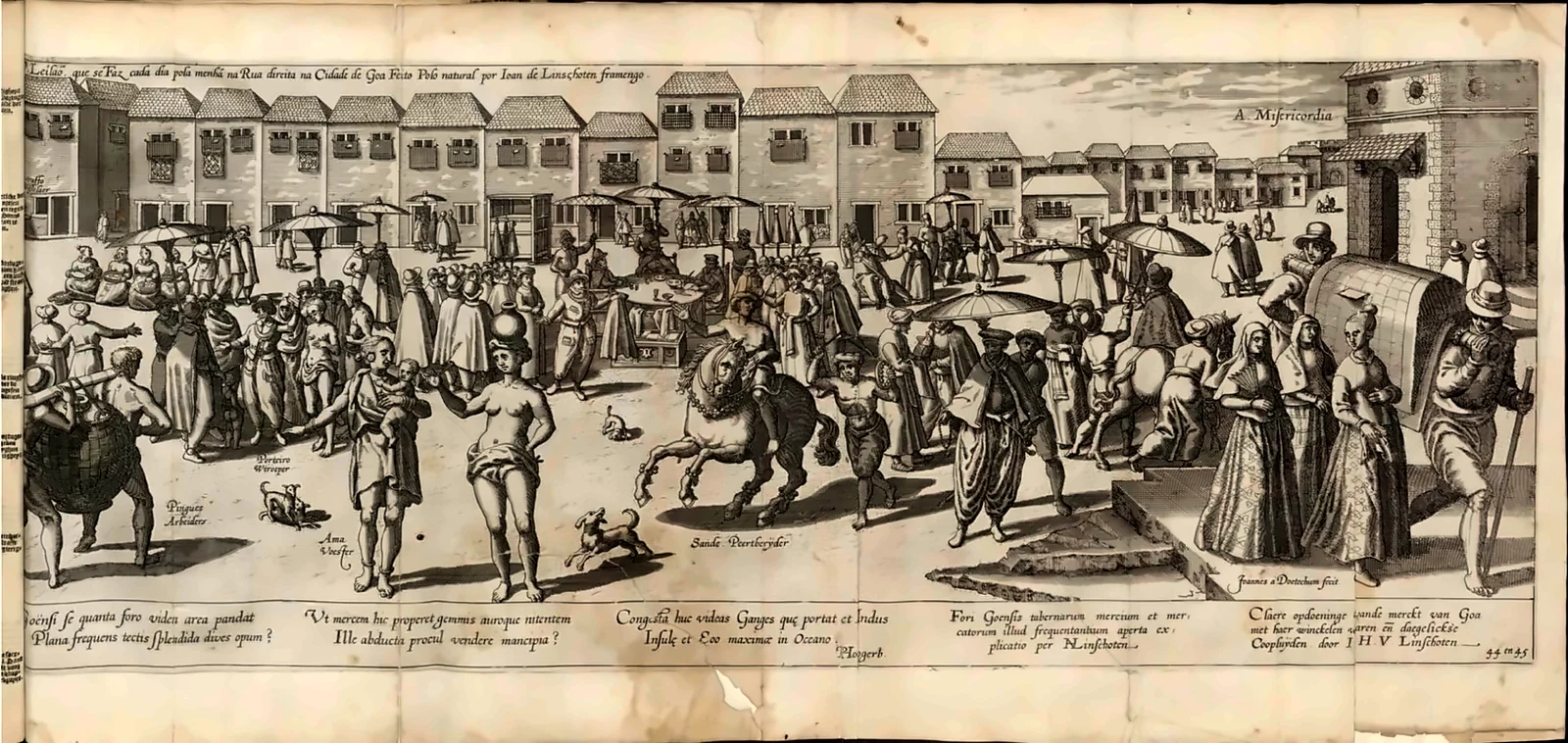
Cochin, the first Portuguese town in India, had its own enslaved Africans. When Pyrard was brought to Cochin as a captive, the bailiff who took charge of him came with seven or eight Christian cafres of Mozambique, known as pions, peons. Africans served as escorts, porters, soldiers, deckhands and household servants. Cochin also sent people the other way: in the late sixteenth century the Portuguese exported some 5,000 to 6,000 slaves a year from India, most of them from Cochin.
January 1663: the Portuguese leave
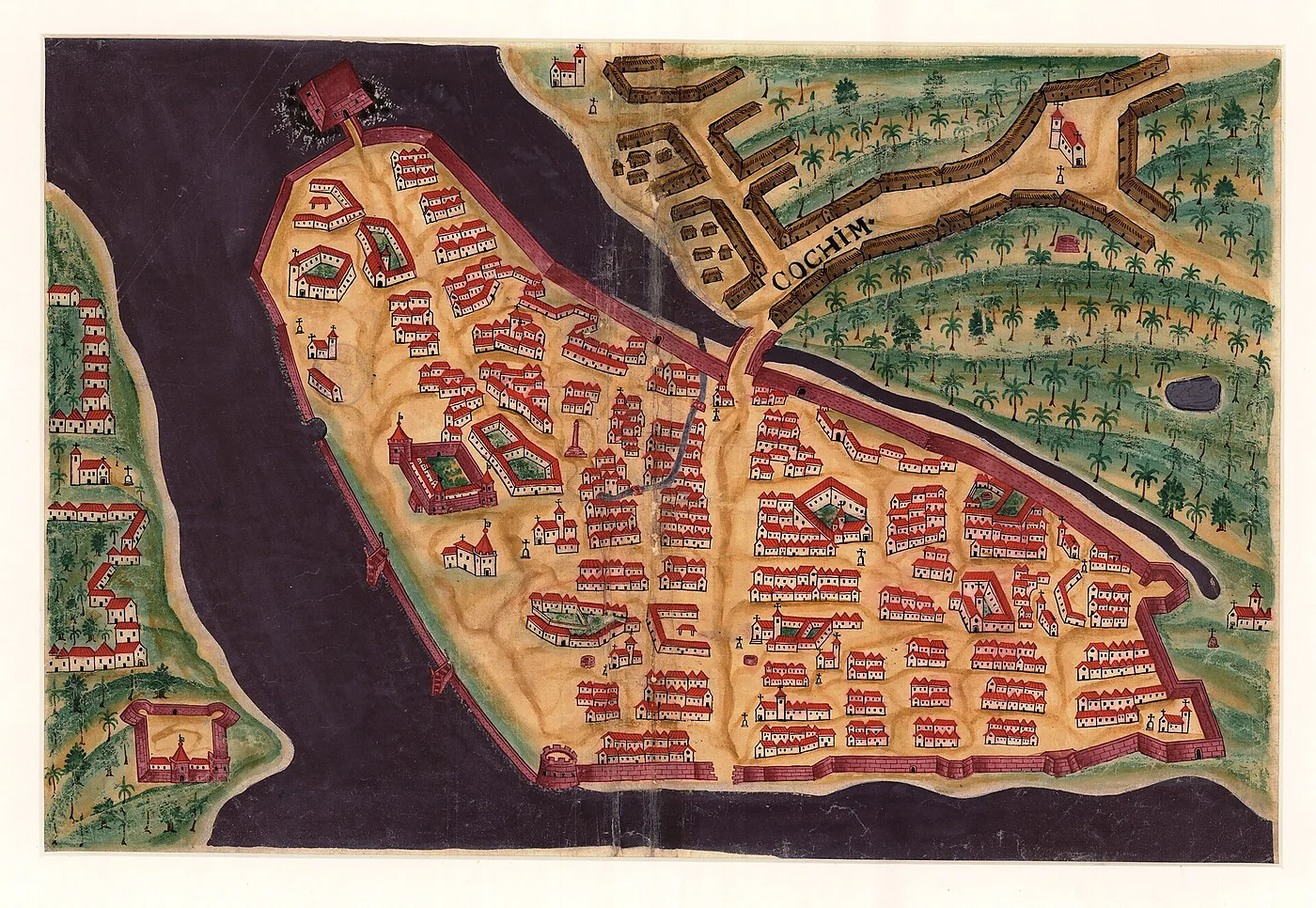
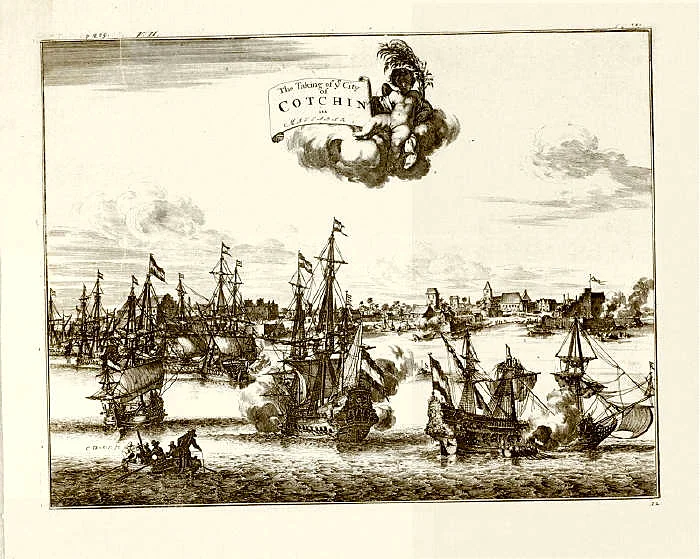
In 1662 the Dutch East India Company (VOC) laid siege to Cochin under Rijckloff van Goens, in alliance with a rival claimant to the Cochin throne. After about three months the Portuguese surrendered on 7 January 1663, and the next morning the garrison marched out and laid down its arms.
The terms were hard. Unmarried Portuguese were shipped back to Europe, and married Portuguese and mestiços were sent to Goa. By one estimate about 4,000 people were expelled. This hurried departure is the moment the Kappiri legend is set in.
Dutch Cochin: a slave town
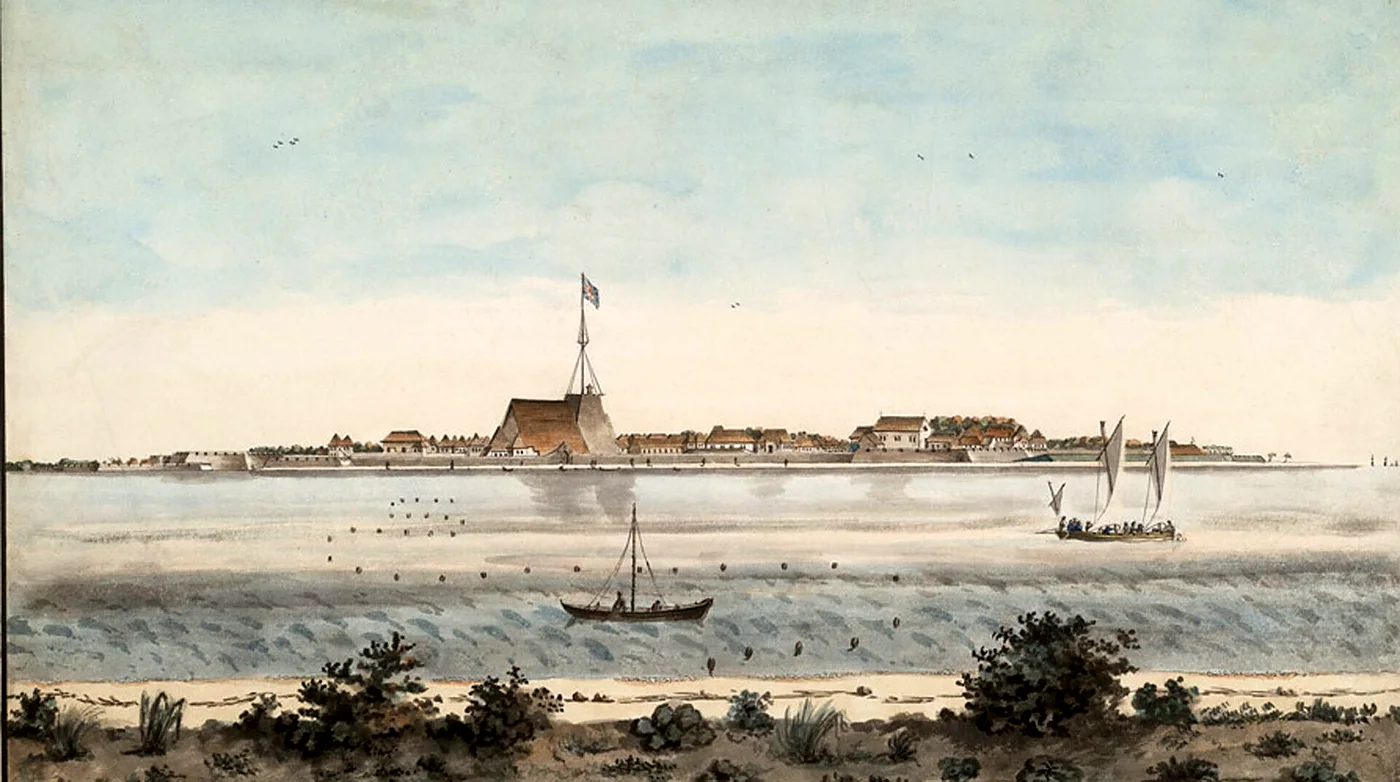
Under the Dutch, Fort Cochin became the centre of the Company's Malabar possessions, which a recent study calls its third-largest territory in Asia. It was also a slave town. In the few years for which population figures survive, enslaved people made up 35 to 42 percent of Fort Cochin's population, most of them men.
The Dutch relied on Kerala's own rules. A slave could be sold on Company territory only with an ola, a certificate from the Raja of Cochin. A sale without one was illegal; Christian offenders faced the VOC courts, and others were handed to local rulers. Muslims of Malabar could not be sold at all.
Most of the people sold from Cochin were not African. Dutch transfer records show that Pulayas made up the largest share of exported slaves, followed by Ezhavas. Cochin became a hub from which private traders, many of them Company employees, sent enslaved people across the VOC world, as far as the Cape of Good Hope.
The records also keep individual lives. In 1743 a woman named Cali, the slave of a Nair family, became a Catholic. The VOC court refused to return her to her owner, because caste slavery did not extend to Christians.
Africans remained part of this world. They served as household slaves and soldiers, and Sakthan Thampuran (1751–1805), the great Raja of Cochin, is recorded as keeping several African children.
The legend of the treasure walls
The story that made the Kappiris famous was written down by the Fort Kochi historian K. L. Bernard, ‘Bernard master’, in his History of Fort Cochin. In his account, the Portuguese of 1663, forbidden to carry away their wealth, cut niches into the thick walls of their houses. They chained African slaves inside, put the treasure beneath them and made them swear to guard it until their masters' descendants came back. Then they plastered the niches shut.
The niches came to be called kappiri mathil, Kappiri walls. Bernard also recorded that skeletons were found in two wall niches on Rose Street when an old building was pulled down, with no treasure left beneath them. A chained skeleton was reported from another demolition near the Dutch cemetery.
One local writer counted around twenty such walls in and around Mattancherry. Most have since been rebuilt or demolished.
What is proven, and what is not
No archaeological, forensic or archival evidence has yet been published that Africans were walled up alive in Kochi in 1663. Everything around that claim, though, is well documented.
Fact and folklore
- Enslaved Africans in Kochi: proven. Portuguese-era accounts record African cafres in Cochin as peons and servants; Dutch-era records list Africans as household slaves and soldiers. Their names and lives are largely lost.
- A hurried Portuguese departure in 1663: proven. Cochin surrendered on 7–8 January 1663; unmarried Portuguese went to Europe and married residents to Goa. That they hid their wealth in walls is tradition.
- Slaves killed and walled up with treasure: no record. The most recent scholarly study states that the story is not found in the archives. It rests on oral tradition, first written down by K. L. Bernard.
- Skeletons in the walls: anecdotal. Bernard reports finds on Rose Street and near the Dutch Cemetery during demolitions, but we could find no published excavation, dating or forensic report.
- Kappiri Muthappan worshipped today: proven, and documented by several fieldwork studies. When the first shrine was built is unknown.
Scholars therefore read the legend as cultural memory, not as a crime report: a story that joins two real events, the sudden fall of Portuguese Cochin and the exploitation of enslaved Africans whose lives the official records barely kept.
Our assessment: is the treasure-wall story true?
We think it should be read as tradition, not history. The Dutch kept detailed records of Cochin's slaves, and a mass killing at the handover would be expected to leave some trace in them. The Rose Street skeletons are the strongest evidence, but they were found during demolition and have never been dated, and a skeleton inside a wall can have other explanations. Some retellings say the bones turned up ‘450 years’ after the deaths, which would be impossible for events of 1663.
What the legend does preserve accurately is the atmosphere of 1663: a hurried departure, property that could not be taken, and owners with power of life and death over the people they enslaved.
From ghost to grandfather
The walls became shrines. People came to believe the chained men had become spirits, and that the spirits were kind. Kappiri Muthappan shows lost children the way home, finds lost belongings and protects the street. Anglo-Indian families describe him as a man in a coat, smoking a cigar and rattling his chains on full-moon nights. In Mattancherry the first piece of a household's puttu is set aside for him.
He also lives in trees. Old residents speak of kappiri aal, Kappiri banyans, and of mango trees he favours. Recent fieldwork describes the shrines, called kapirithara, in several forms: small gabled shrines like miniature houses; single stones on platforms under wild jack (aanjili) trees; and corners of family sacred groves, where the Kappiri sits beside the goddess and other ancestral spirits, as in a grove at Valappu.
The offerings are those of a man, not a god: candles and incense, arrack or toddy, grilled fish, fried chicken or beef, cigars. In one locality an annual night ritual followed the ten-day temple festival. Men of the Ambattan community once sacrificed a chicken and coloured rice with its blood, to be offered with toddy, cigars and puttu. After the Kerala Animals and Birds Sacrifices Prohibition Act of 1968, an ash gourd took the chicken's place, and the rice is now coloured with lime and turmeric.
Most devotees today are not remembering ancestors. George Jose, writing in Society & Space in 2024 after photographing roadside tharas in Kochi, found that people lighting candles neither invoke a past nor commemorate slaves; they ask Kappiri to keep watch over them and bring luck. The worshippers also cross every line of community. Konkani Brahmin landowners maintain shrines on their land and leave the sacrifice to others. Pulayas, Parayas, Dheevaras, Ezhavas and Latin Catholics make offerings. Luso-Indian families tend to fear him. Muslims call him Kapiri Thangal and tell moral tales about him.
Our assessment: why the African, and not the Pulaya?
The records are clear that most people bought and sold in Dutch Cochin were from Kerala's own enslaved castes, Pulayas first and Ezhavas next. Yet the slave who became a god is a foreigner. Our reading is that the Kappiri is a slave whom every community can pity without facing slavery in its own past; the most recent study, which frames the cult through caste and the afterlives of bondage, points in a similar direction. This is why this article gives the local slave trade as much space as the African one.
That Pulayas, Parayas and Ezhavas are among Kappiri Muthappan's most loyal worshippers adds another layer that outsiders should not oversimplify.
A coast of African spirits
Kochi's Kappiri is not alone. Along the west coast, shrines remember Africans who died in slavery. At Narve in Goa, the guardian deity Khāpro Ravalnāth is linked in local telling to a dying African who had fled slavery or been trafficked there; his name probably comes from Konkani khāpri, blackness, and the Portuguese cafre. Near Karwar, a shrine receives offerings very like those at Mattancherry. In Gujarat, the Siddi community keeps shrines to African Sufi saints.
What sets Kochi apart is that the African spirit has no African community behind him. The Siddis of Gujarat and Karnataka survive as a people. In Kochi the Africans disappeared as a group, and the town absorbed their memory into its own religious life.
Our assessment: a fragile heritage
The Kappiri shrines are among the very few physical memorials to slavery anywhere in Kerala, and none is protected. Most of the old wall niches have been demolished as Fort Kochi and Mattancherry were rebuilt for trade and tourism.
The cult also faces a quieter risk: being turned into a ‘ghost tour’ stop, which strips out the history of slavery and keeps only the spooky story. The shrines belong to the families and neighbourhoods who tend them. They deserve recording, by oral history and photographs, before they disappear.
In books and art
The Kappiri has moved into Malayalam and English writing. Ponjikkara Rafi's novel Ora Pro Nobis (1981) uses the story of slaves chained to Portuguese treasure. P. F. Mathews, the Kochi novelist and screenwriter, builds his novel Adiyalapretham (2019) around the Kappiri myth. George Thundiparambil's English novel Maya has a Kappiri narrator who tells five hundred years of Kochi's history to a girl he meets in Fort Kochi. At the first Kochi-Muziris Biennale in 2012–13, the artist Rigo 23 hung a large wooden sculpture on the treatment of Africans in Portuguese Cochin.
Visiting
- The Mangattumukku shrine, Mattancherry: the best-known Kappiri shrine, in a residential lane. It has no signboard and no opening hours; shopkeepers nearby know it.
- Be a guest, not a ghost-hunter: these are places of worship. Don't touch offerings, ask before photographing anyone, and don't bring alcohol or cigars unless a local devotee invites you to make an offering.
- Sacred groves: Kappiri shrines inside family kaavus are on private land. Visit only with the family's permission.
- Combine with: the Dutch Cemetery and St Francis Church in Fort Kochi, and Mattancherry Palace and the Paradesi Synagogue in Mattancherry: together they cover the Portuguese, Dutch and Jewish layers of the same town.
- From Munnar: Fort Kochi is about 130 km, roughly four hours by road.
Read also: Fort Kochi · Mattancherry Palace · The Jews of Kerala · The Kunjali Marakkars · Theyyam: the gods
See it for yourself, with a local driver who knows these roads.
Book a Munnar Jeep SafariSources & further reading
- Adeep Hussain and Rohini Mokashi-Punekar, 'Caste, Memory, and the Afterlives of Bondage: How a Spectral Slave Became a Demigod in Coastal Kerala', Journal of Indian Ocean World Studies 10:1 (2026)
- Ananya Chakravarti, 'Slavery, Mobility, and Identity on the Western Coast of India, Sixteenth–Eighteenth Centuries', Comparative Studies in Society and History 66:4 (2024)
- Titas Chakraborty, 'Dutch Slavery in South Asia' (Amsterdam University Press)
- Linda Mbeki and Matthias van Rossum, 'Private Slave Trade in the Dutch Indian Ocean World', Slavery & Abolition 38:1 (2017)
- Neelima Jeychandran, 'Geographies of Death and Memory: Shrines Dedicated to African Saints and Spectral Deities in India', South Asian History and Culture (2020)
- Neelima Jeychandran, 'Kappiri Shrines and Memories of Slavery in Kerala', Ala, issue 7 (2019)
- George Jose, 'Quotidian Worship in Kochi', Society & Space (2024)
- Vinil Baby Paul, 'Local Networks of the Slave Trade in Colonial Kerala' (2022)
- Sonia Lucy C. A., 'Ghosts of Empire, Spirits of Resistance: The Kappiri Legend and Kochi's Mythical Topographies' (2025)
- The News Minute (2016): African slaves and spirit of Kappiri Muthappan (quoting K. L. Bernard, History of Fort Cochin)
- The Week (2024): A unique African sacred landscape on India's western coast
- Wikipedia: Dutch Malabar
- Colonial Voyage: the Portuguese in Cochin
Figures are from the sources listed and were checked in November 2026. Park timings and road conditions change, so please confirm before you travel.