
Alappuzha: Raja Kesavadas's Planned Port Town and the Backwaters
A port town laid out with canals in the 18th century by Travancore's greatest Dewan, a lighthouse and a 'sea bridge' that once served the busiest port on the coast, and rice fields below sea level. The history of Alappuzha and its backwaters, with old photographs and our own assessments.
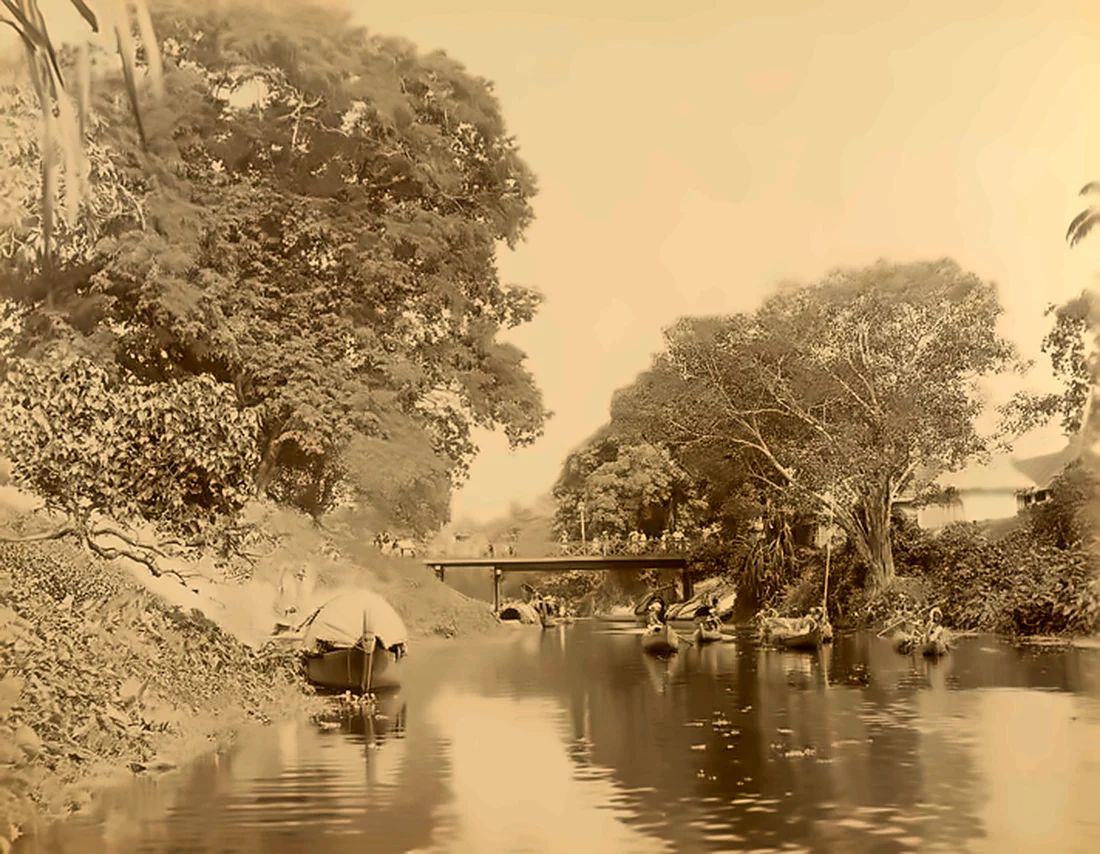
Most Kerala towns grew slowly, around a temple, a market or a river crossing. Alappuzha (Alleppey) is different. In the late 18th century it was deliberately laid out as a port town by Raja Kesavadas, the great Dewan of Travancore, with straight canals running down to the sea, roads along their banks, warehouses and a harbour. For more than a century it was Travancore's principal port, busier than Kochi, sending pepper, cardamom, coir and the produce of the hills to the world. Visitors called it the "Venice of the East".
Behind the town lie the backwaters: Vembanad lake, the rivers and canals of Kuttanad, and rice fields that lie below sea level. Today they are famous for houseboats and snake-boat races. This article tells the story of the town and the waters, with old photographs and our own reading of the evidence.
At a glance
- Where: central Kerala coast, between the Arabian Sea and Vembanad lake, about 55 km south of Kochi.
- Founder of the town: Raja Kesavadas (1745–1799), Dewan of Travancore under Karthika Thirunal Rama Varma (Dharma Raja).
- Landmarks: the canals and old bridges, the lighthouse (1862), the old pier or "sea bridge" (1862), the beach.
- Backwaters: Vembanad lake (a Ramsar wetland), Punnamada lake, Kuttanad's below-sea-level rice fields.
- Known for: houseboats, the Nehru Trophy Boat Race (August), coir, and Kuttanad's karimeen (pearl spot) fish.
Before the town
The region is old. Sangam poems describe the Chera country's coastal settlements, and the 14th-century Malayalam poem Unnuneeli Sandesam mentions places along this coast. In the centuries before Travancore, the area was divided among small kingdoms, notably Chempakassery, ruled from Ambalappuzha, and Kayamkulam. The port of Purakkad, a little to the south, was used by Arab, Portuguese and Dutch traders. In the 1740s and 1750s Marthanda Varma of Travancore conquered these kingdoms, and the whole coast came under one government. Travancore now needed a port of its own, outside the control of the Dutch at Kochi.
Raja Kesavadas and the planned town
Kesavan Raman Pillai was born in 1745 at Kunnathur, near today's Kanyakumari, into a modest family. As a youth he kept accounts for a wealthy Muslim merchant, learned several languages, including Persian and Dutch, and entered the royal service. Under the Dharma Raja he rose step by step, trained in soldiering under the Flemish officer Eustachius De Lannoy, and led the defence against Tipu Sultan's invasion. In 1789 he became Dewan (chief minister). The British Governor-General, Lord Mornington, honoured him with the title Raja.
His great project was Alappuzha. He chose a sandy strip between the sea and the backwaters and turned it into a planned port town:
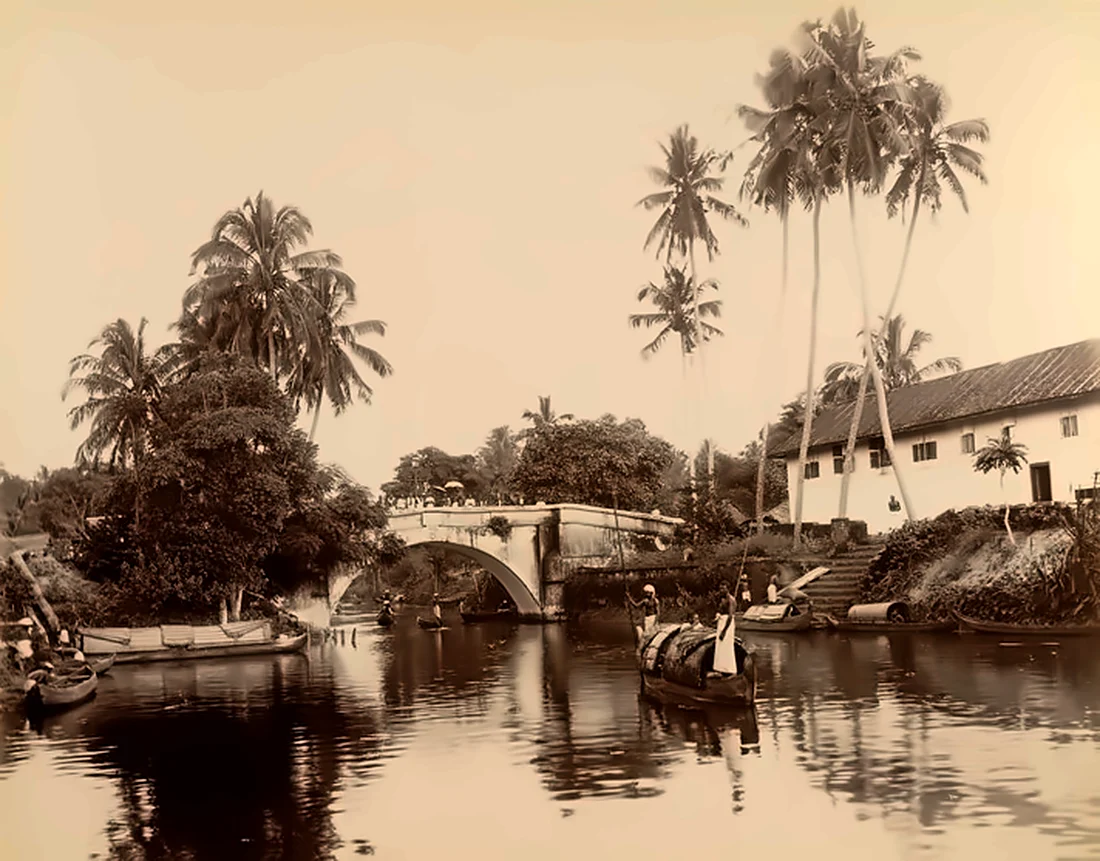
- Two long, parallel canals, the Vadai canal and the Commercial canal, were cut from the backwaters towards the sea, with roads on both banks. Smaller cross-canals and bridges followed, so that country boats could carry goods from the inland waterways right to the warehouses near the beach.
- Warehouses and offices were built along the canals, and a port was opened on the beach. Ships are recorded loading here by 1786.
- Merchants from Gujarat, Kutch, Surat and Bombay were invited, given land and protection, and settled in the town. Their trading houses, and later their temples and community institutions, became part of the town's character.
- Travancore's own ships were built to trade with Bombay and Calcutta, and some of Kochi's trade was drawn away to the new port.
Kesavadas's career ended in tragedy. After the Dharma Raja died in 1798, his enemies at court gained the ear of the young new king; he was removed from power, and he died in April 1799, by most accounts poisoned. A statue of him stands on the Alappuzha–Changanassery road, and the Kesavadasapuram junction in Thiruvananthapuram is named after him.
Our assessment: is Alappuzha really Kerala's only planned city, and when was it founded?
Alappuzha is often called "the first planned town of Travancore", and sometimes Kerala's only planned city. The evidence for deliberate planning is clear on the map even today: the long parallel canals, each with a road on both banks, running straight from the backwaters to the old port, the cross-canals and bridges, and the merchant quarters laid out along them. This was a town designed around transport, not one that grew up by accident.
Whether it is the only planned city is harder to prove; later projects such as Willingdon Island at Kochi (1920s–30s) were also planned. But as far as we can tell, Alappuzha is the earliest town in Kerala that was deliberately laid out from scratch, as a whole, by a government.
On the date, sources disagree: some give 1762, others 1772, while the first recorded sailings are around 1786. Kesavadas was only 17 in 1762 and became Dewan in 1789. Our view: the port and canals were developed in stages from the 1770s and 1780s, under the Dharma Raja, with Kesavadas as the driving force well before he became Dewan; the 1762 date probably refers to an earlier beginning of trade at the site, or is simply mistaken.
The port, the lighthouse and the "sea bridge"
Through the 19th century Alleppey was the main port of Travancore and one of the busiest on the west coast. Pepper, cardamom, ginger, coconut products and, later, coir and tea came down by boat through the backwaters and canals, and were carried out to ships anchored in the open sea. Alleppey had one natural advantage: a mud bank (chakara) that forms off the coast during the monsoon, calming the waves so that ships could load even in rough weather.
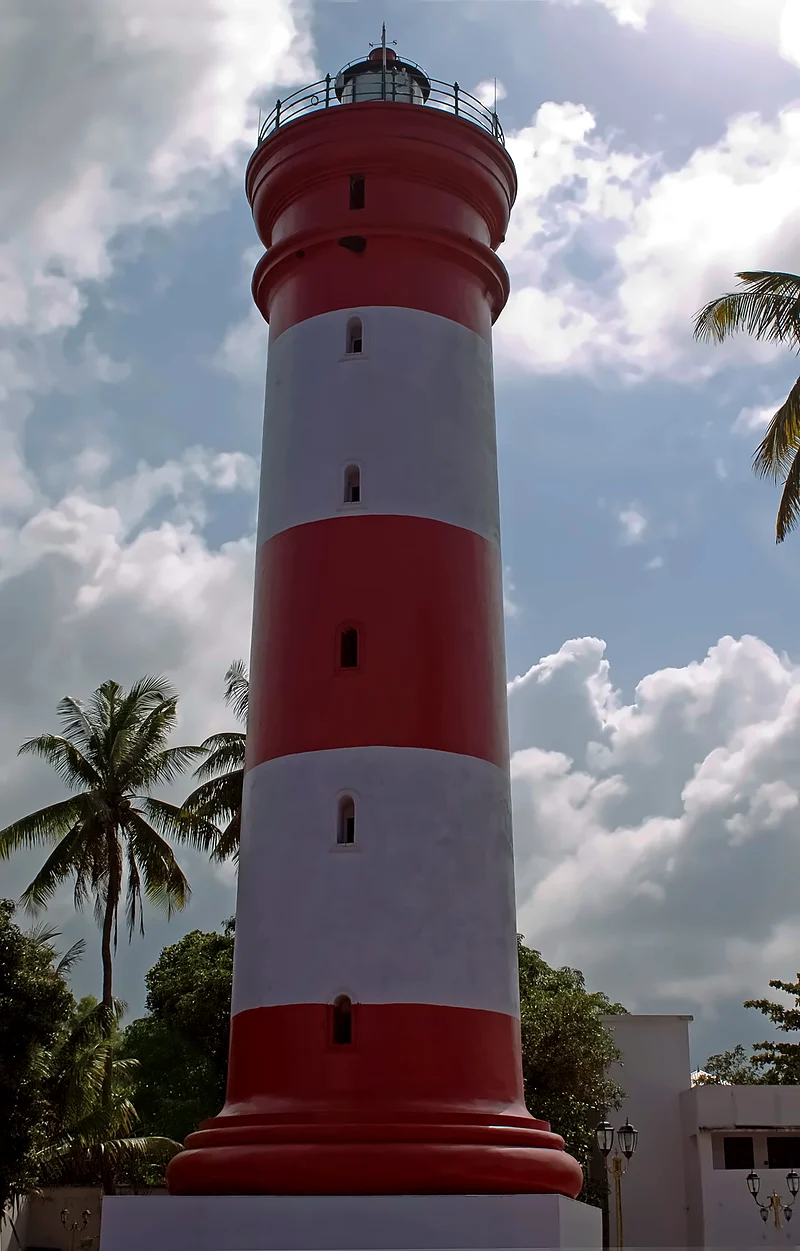
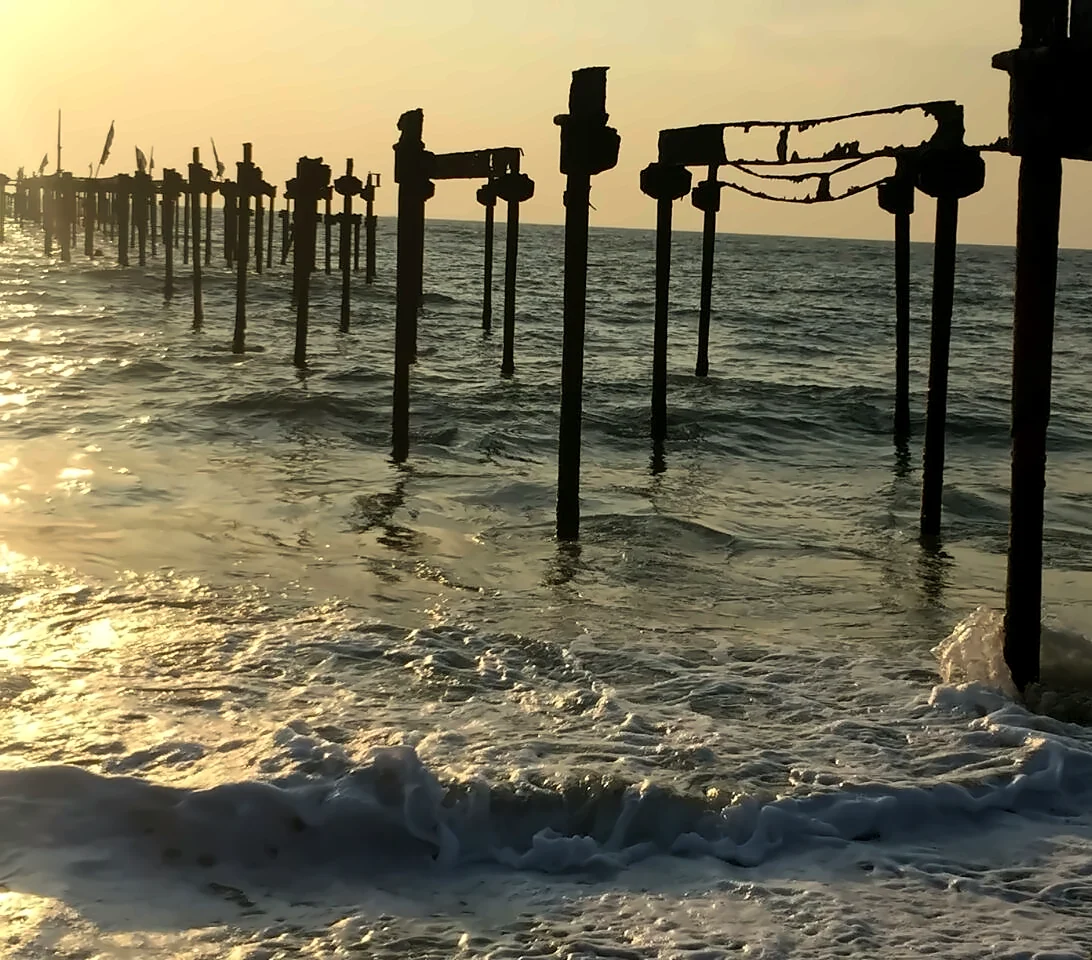
In 1862 a long iron and timber pier, about 1,000 feet, was built out into the sea, so that goods could be carried to and from lighters and ships. Local people called it "kadalpalam", the sea bridge. The same year, on 28 March 1862, the Alleppey lighthouse was lit for the first time; its tower had been completed in 1861. Its first lamp burned coconut oil in a double wick, behind a first-order lens made by Chance Brothers of Birmingham. It was converted to a gas flasher in 1952 and to electricity in 1960, and it still guides ships today; visitors can climb to the top.
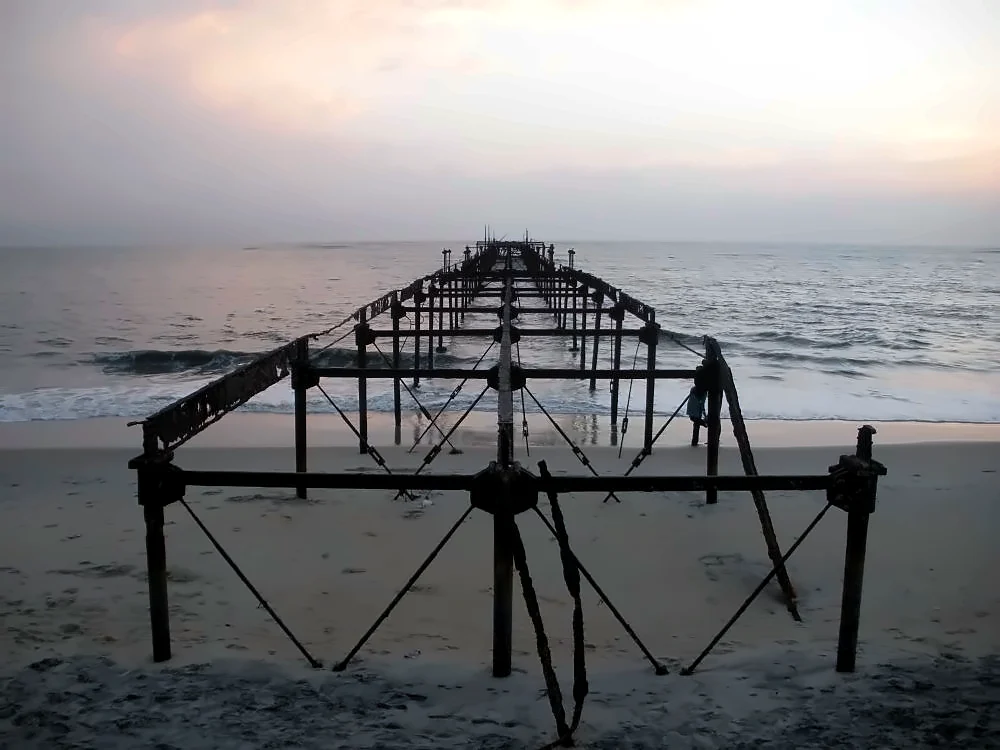
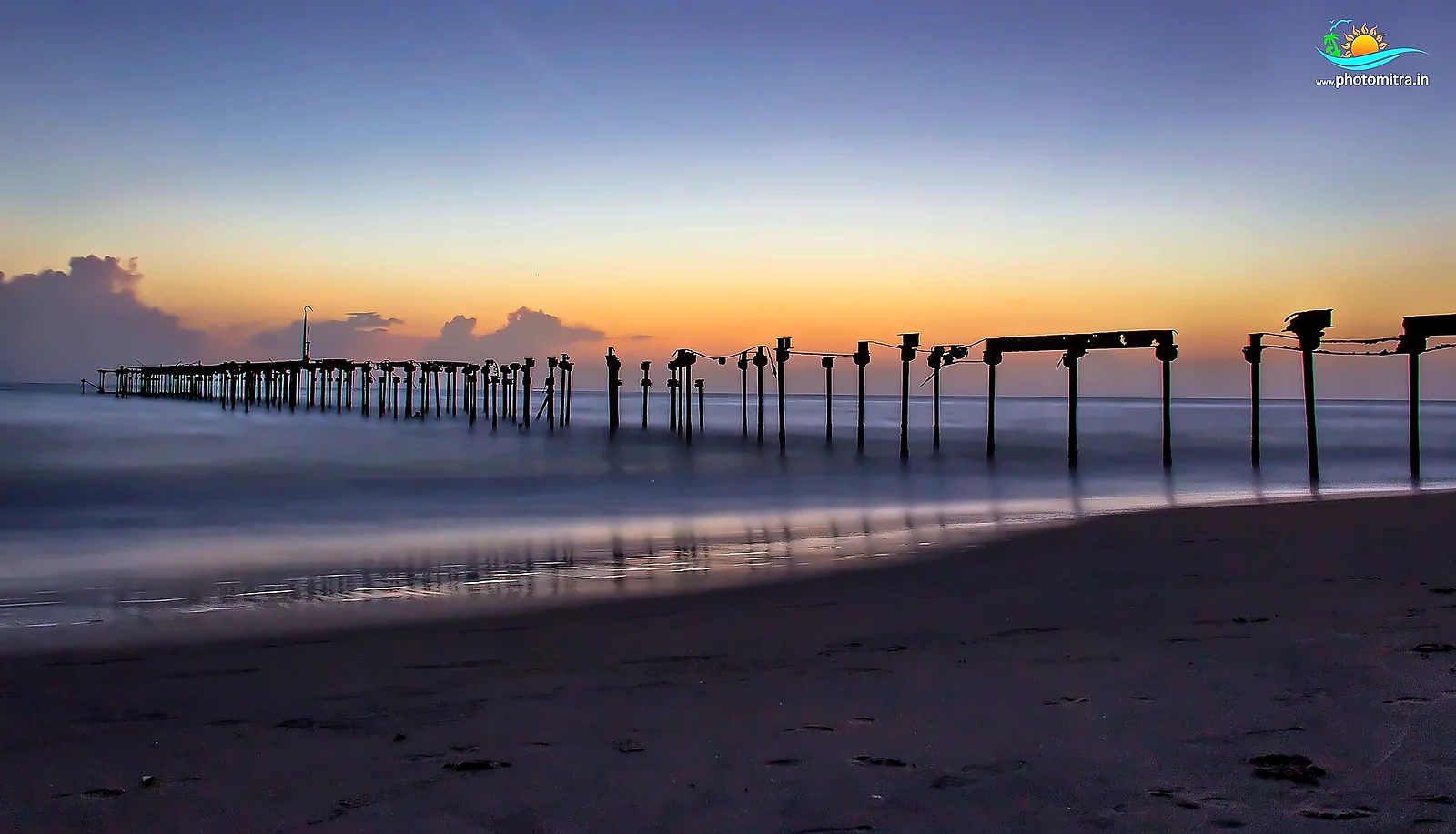
Alleppey's decline as a port came in the 20th century. Its open roadstead could not take large steamships alongside. When the modern deep-water harbour at Kochi, built around the new Willingdon Island, was completed in the 1920s and 1930s, trade moved there. The pier was abandoned, storms and the 2004 tsunami took their toll, and today only its broken posts stand in the surf.
The golden fibre: coir
Coir, the fibre from coconut husks (the word comes from Malayalam kayar, rope), had been spun by hand in Kerala for centuries. Its transformation into an industry began in Alleppey in 1859, when James Darragh, an Irish-born American from New York, set up a factory to make coir mats and matting for export; the firm later became Darragh, Smail and Company. Others followed, and by the early 20th century Alleppey was the coir capital of the world, its mats on doorsteps across Europe and America.
The factories also created one of India's earliest organised industrial working classes. Coir workers formed unions in the 1920s and 1930s, and in October 1946 they were at the heart of the Punnapra–Vayalar uprising, a communist-led revolt against the Dewan, Sir C. P. Ramaswami Iyer, and his plan for an "American model" constitution and an independent Travancore. It was crushed by the army with heavy loss of life, but it became a defining event in Kerala's political history.
The backwaters and Kuttanad
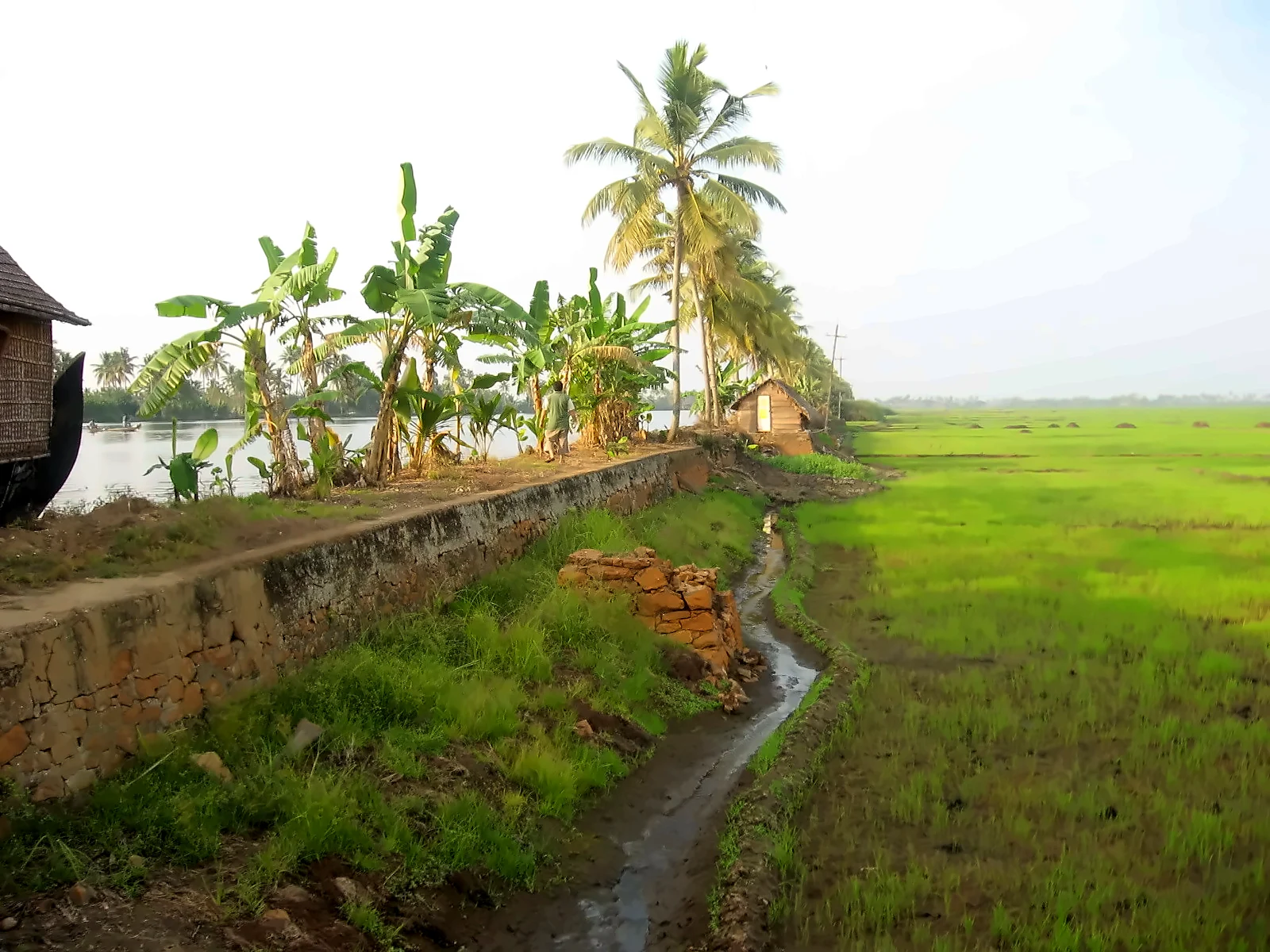
East of the town spreads Vembanad, Kerala's largest lake, fed by several rivers and separated from the sea by a narrow strip of land. It is a Ramsar wetland of international importance. Its southern part, with the lakes and canals around it, forms Kuttanad, one of the very few places in the world where rice is grown below sea level, in places one to two metres below.
Much of this land was won from the lake itself. From the later 19th century, Travancore encouraged reclamation: farmers built bunds of mud, coconut stems and bamboo around shallow parts of the lake, pumped out the water, first with pedalled wooden water wheels and later with engines, and planted rice on the black, fertile lake bed. These kayal lands, reclaimed in great blocks in the early 20th century, made Kuttanad the "rice bowl of Kerala". To protect the fields from salt water and floods, the Thottappally spillway (1950s) was built to drain floodwater to the sea, and the Thanneermukkom barrage (from the 1970s) to keep the tide out of the southern lake in the dry season.
Our assessment: the price of the rice bowl
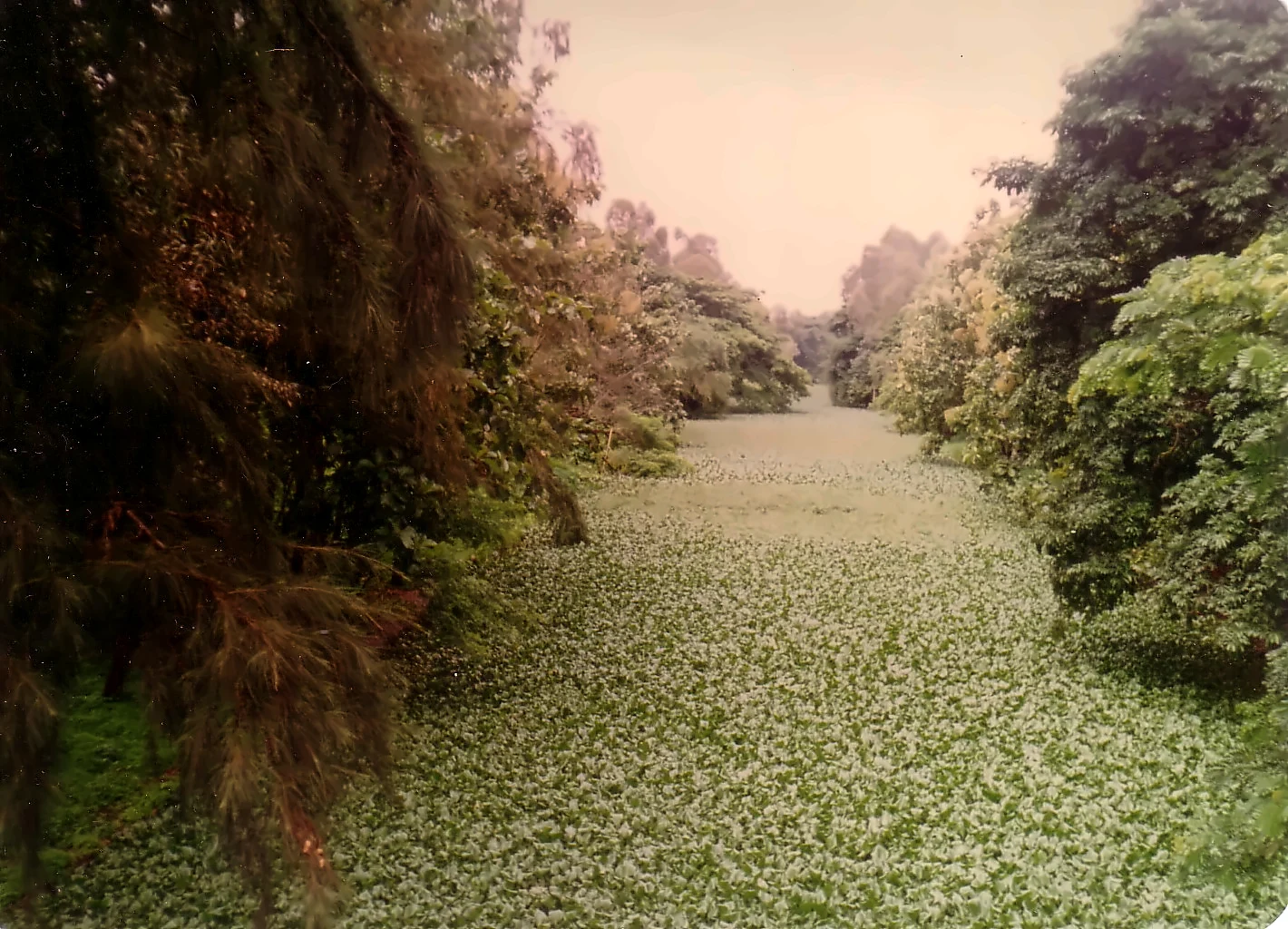
Reclamation and the barrage fed Kerala, but at a cost. Studies suggest that a large share of Vembanad's original area has been lost to reclamation; the lake has become shallower with silt; and the barrage, by stopping the flushing of salt water, has helped water hyacinth spread and harmed fish and clam populations, including the famous karimeen. The great floods of 2018 showed how vulnerable the low-lying land is. Our view: Kuttanad is a remarkable human achievement, but its future depends on giving the lake back some room, keeping the water clean and managing the barrage with fisheries, not only rice, in mind.
From rice barges to houseboats
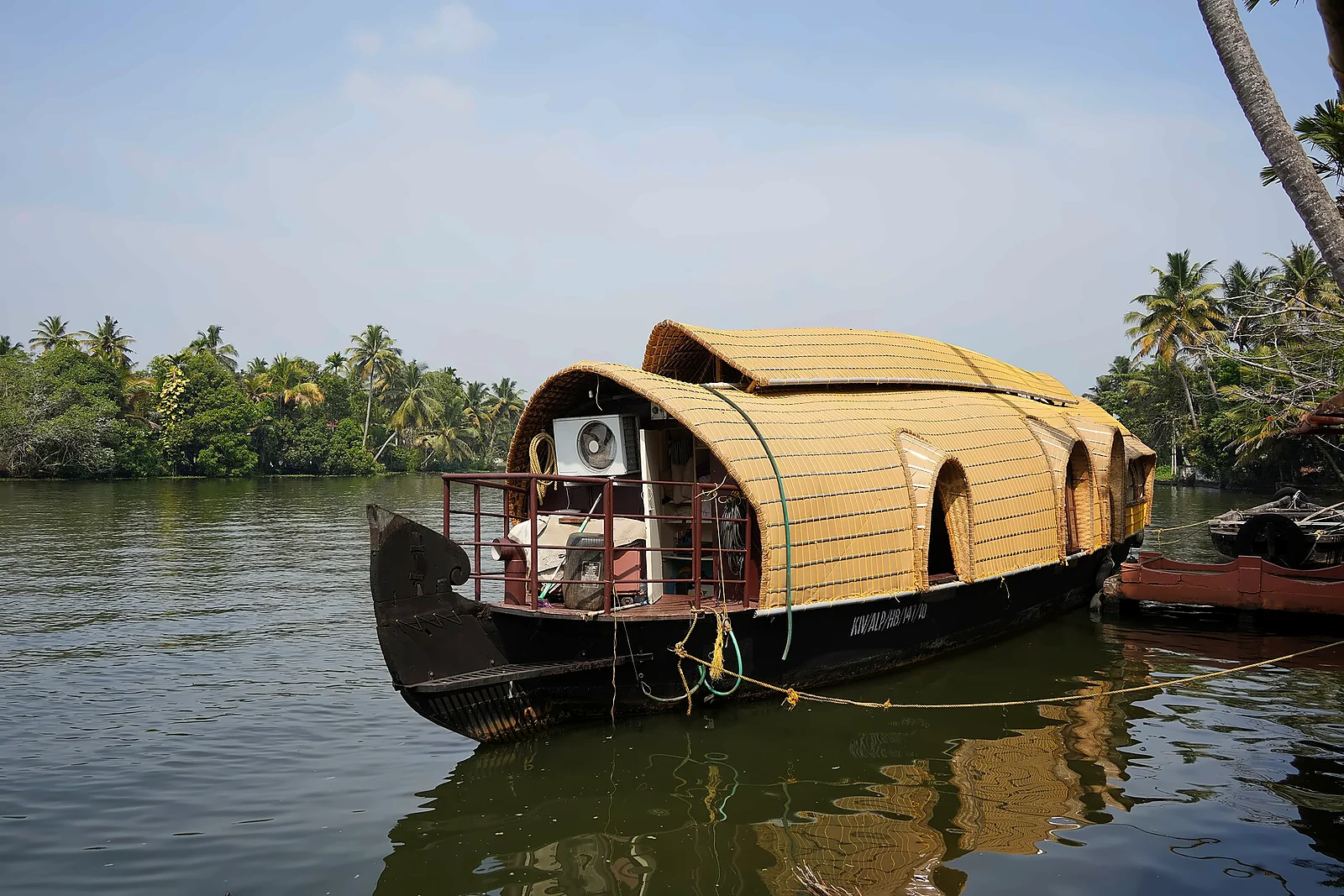
For centuries the backwaters were Kerala's highways. The kettuvallam, "tied boat", was a large cargo boat made of jackwood planks literally tied together with coir rope, without a single nail, and roofed with bamboo and coconut thatch. Kettuvallams carried rice, coconuts, coir and spices between Kuttanad, Alleppey and Kochi. When roads and lorries took over the cargo trade in the 20th century, the boats seemed doomed.
In the early 1990s, a few entrepreneurs began converting old kettuvallams into floating guest rooms. The idea caught on, and today hundreds of houseboats cruise the backwaters of Alappuzha and Kumarakom, many of them far grander than the old barges. The industry has brought prosperity, but also pollution, and regulating it is a continuing challenge.
Snake boats and the Nehru Trophy
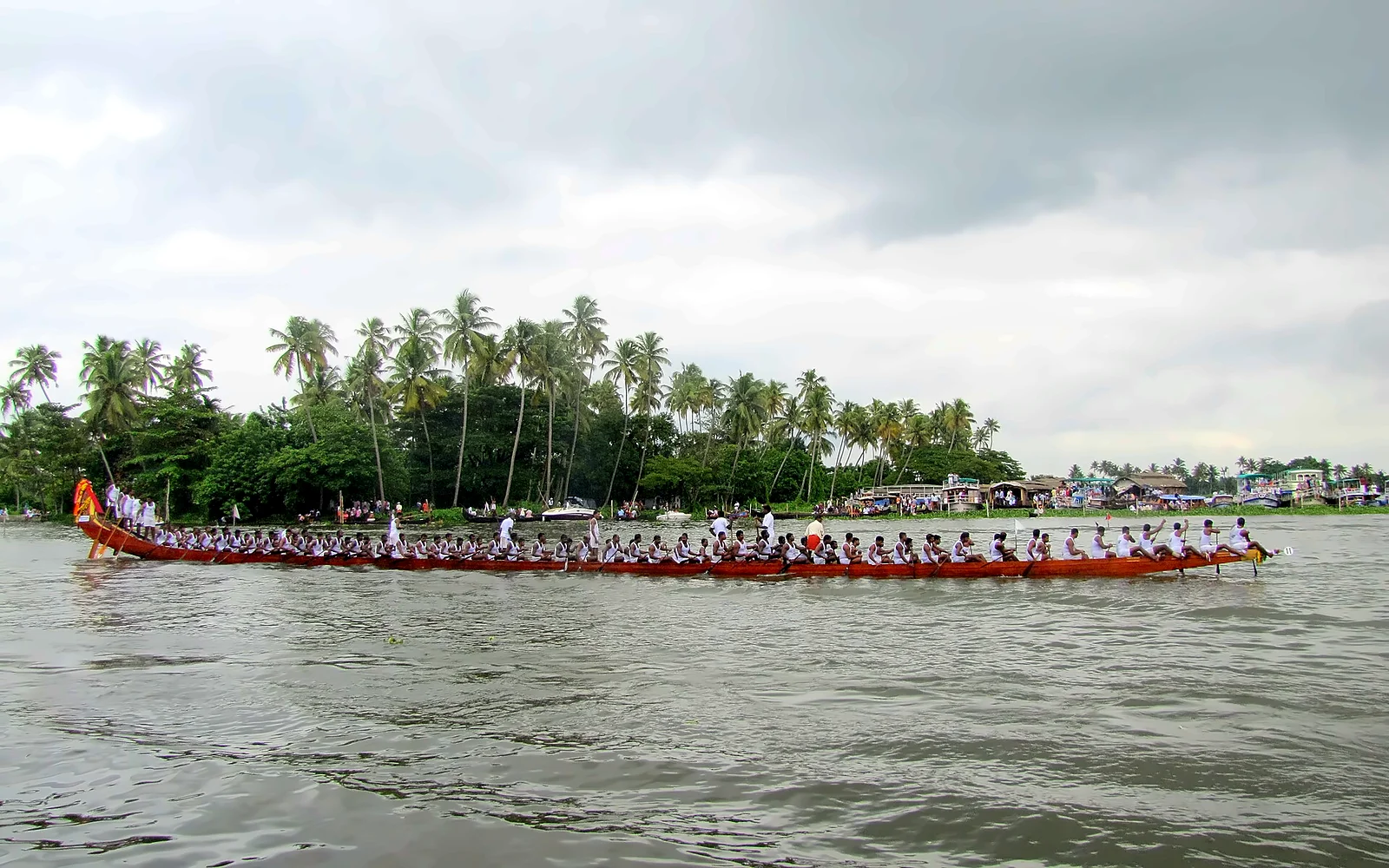
The long chundan vallam, the snake boat, over 100 feet long and rowed by around a hundred oarsmen, belongs above all to Kuttanad. Tradition says it was designed as a war boat for the kings of Chempakassery in their conflicts with Kayamkulam, by a master carpenter remembered as Devanarayanan Ashari. Each snake boat belongs to a village, which maintains it with pride and devotion.
In 1952 Prime Minister Jawaharlal Nehru visited Alleppey and watched a snake-boat race held in his honour. So delighted was he that he jumped into one of the boats, and later sent a silver trophy in the shape of a snake boat. The Nehru Trophy Boat Race, held on Punnamada lake in August, is now the most famous of Kerala's boat races, drawing huge crowds.
The beach
Alappuzha's long, open beach is one of the most popular in Kerala. Here, side by side, stand the reminders of the town's maritime past: the lighthouse, the posts of the old pier, and the sea that once brought ships from Europe and Arabia. The Vijaya beach park is a favourite with families in the evenings, and quieter beaches lie to the north at Marari and to the south at Thottappally.
Around Alappuzha
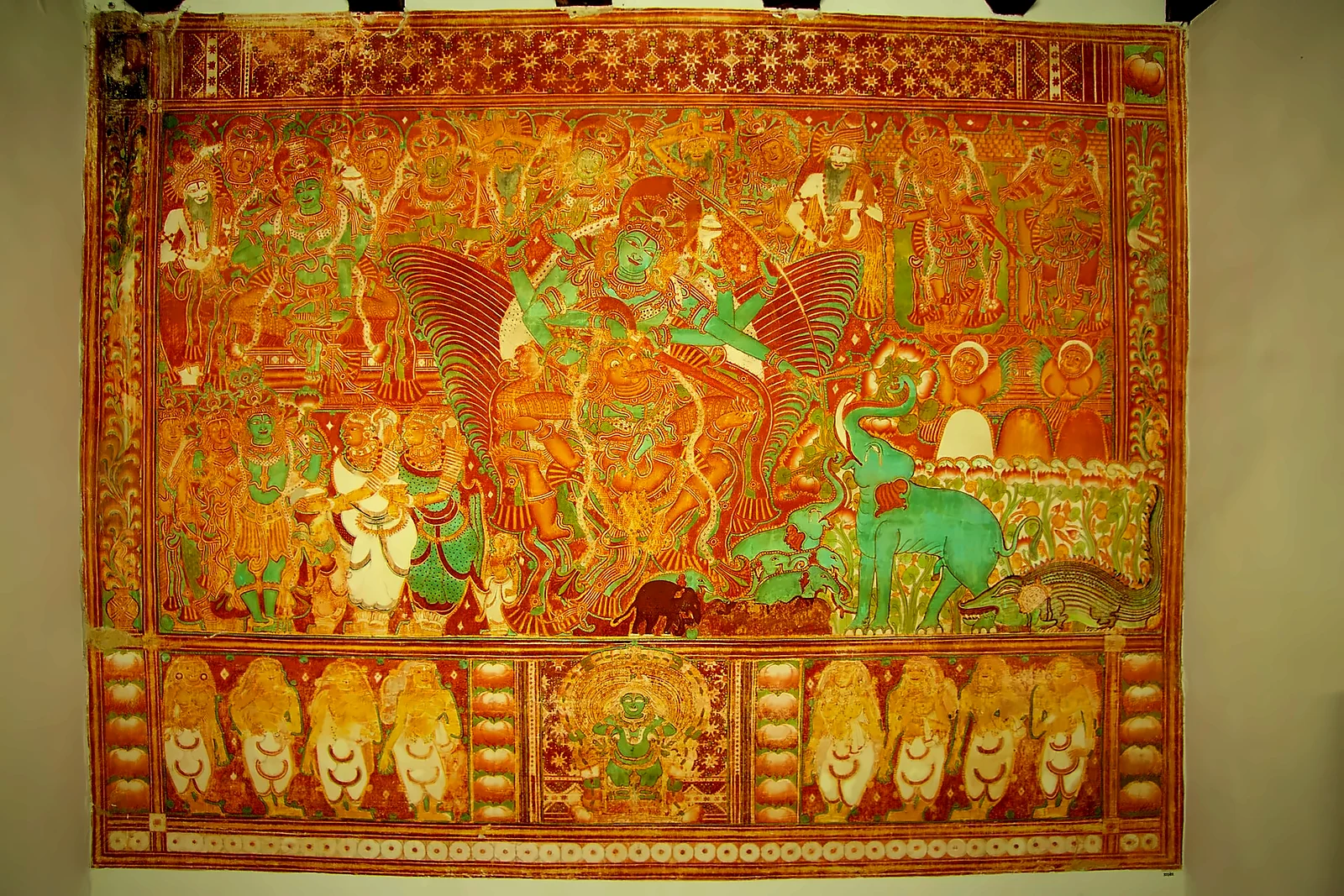
- Krishnapuram Palace, near Kayamkulam, rebuilt by Marthanda Varma in the 18th century, holds the Gajendra Moksham mural, one of the largest single mural paintings in Kerala.
- Ambalappuzha Sri Krishna temple, famous for its palpayasam (milk pudding), and the old seat of the Chempakassery kings.
- Mullakkal Rajarajeswari temple in the town, and the Arthunkal St Andrew's church to the north.
- Karumadikuttan, the Buddha statue at Karumadi; see our article on the Buddha in Kerala.
- The Coir Museum and the town's old canals and bridges, best explored on foot.
Visiting
- Getting there: Alappuzha is about 80 km from Kochi airport and is on the coastal railway line.
- Best time: November to February for the backwaters; August for the Nehru Trophy Boat Race. The monsoon (June to September) is beautiful but wet.
- Houseboats: choose a boat approved by the Department of Tourism, and ask how it disposes of waste.
- Tip: try a public ferry of the State Water Transport Department for a cheap, authentic trip through Kuttanad.
Read also: Muziris · Fort Kochi · Padmanabhaswamy and Thiruvananthapuram · The Buddha in Kerala · Black pepper
See it for yourself, with a local driver who knows these roads.
Book a Munnar Jeep SafariSources & further reading
- Wikipedia: Raja Kesavadas
- Nehru Trophy Boat Race (official): Venice of the East
- alappuzha.com: History of Alappuzha
- Directorate General of Lighthouses: Alappuzha Lighthouse
- Outlook Traveller: Alappuzha, life in slow motion
- Onmanorama (2024): When an Irish-American found his fortune in Alappuzha
- Kerala Museum: The bund on Lake Vembanad
- Onmanorama (2023): Nehru Trophy Boat Race explainer
- Wikipedia: Punnapra–Vayalar uprising
Figures are from the sources listed and were checked in October 2026. Park timings and road conditions change, so please confirm before you travel.