
Jatayupara, Chadayamangalam: The World's Largest Bird and the Ramayana's Bravest
Rajiv Anchal's colossal Jatayu on the granite rock where, Kerala tradition says, the vulture-king fell fighting Ravana to save Sita. The epic, the old paintings, the footprint of Rama, the name of the village and the making of a giant.
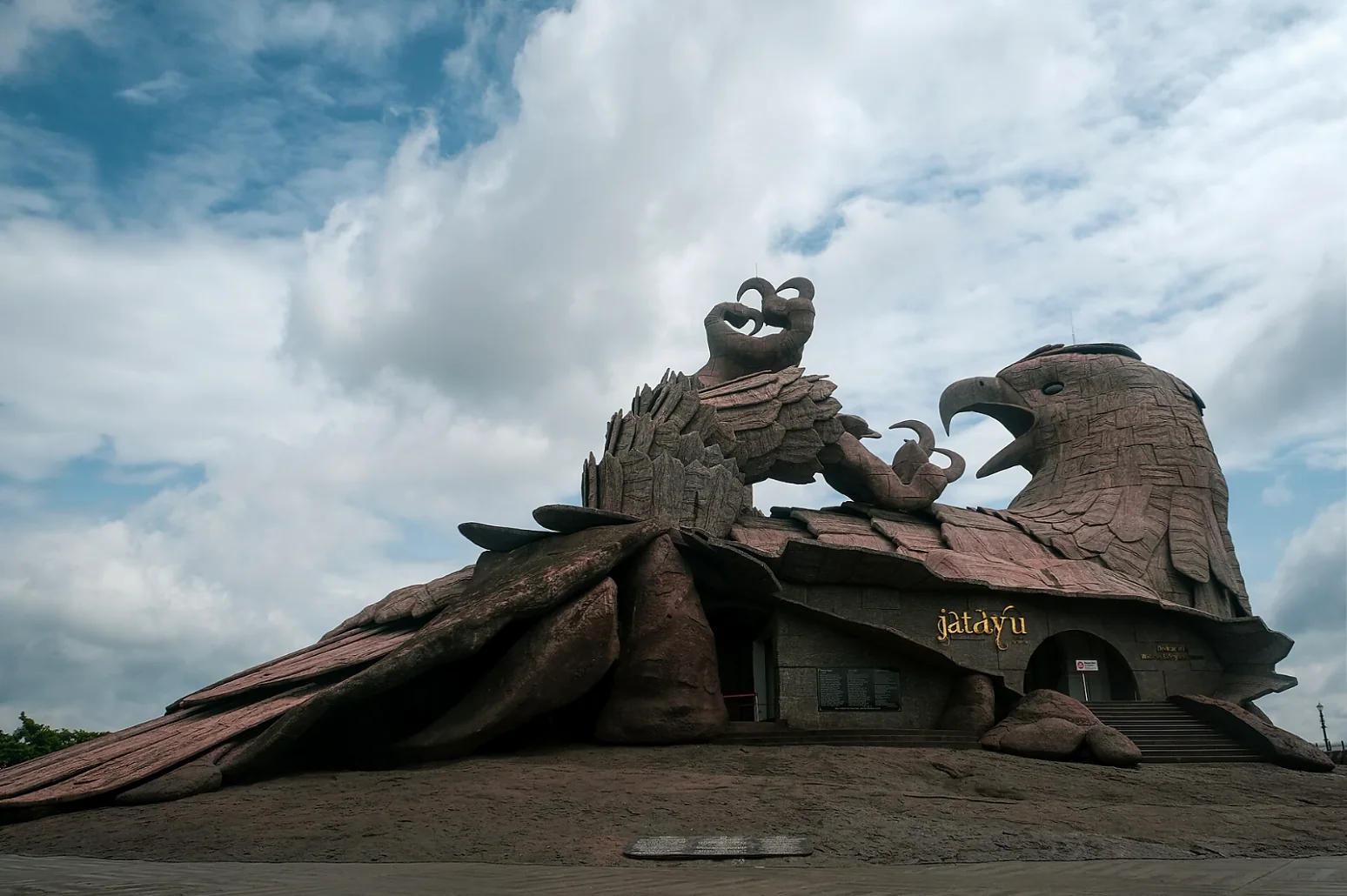
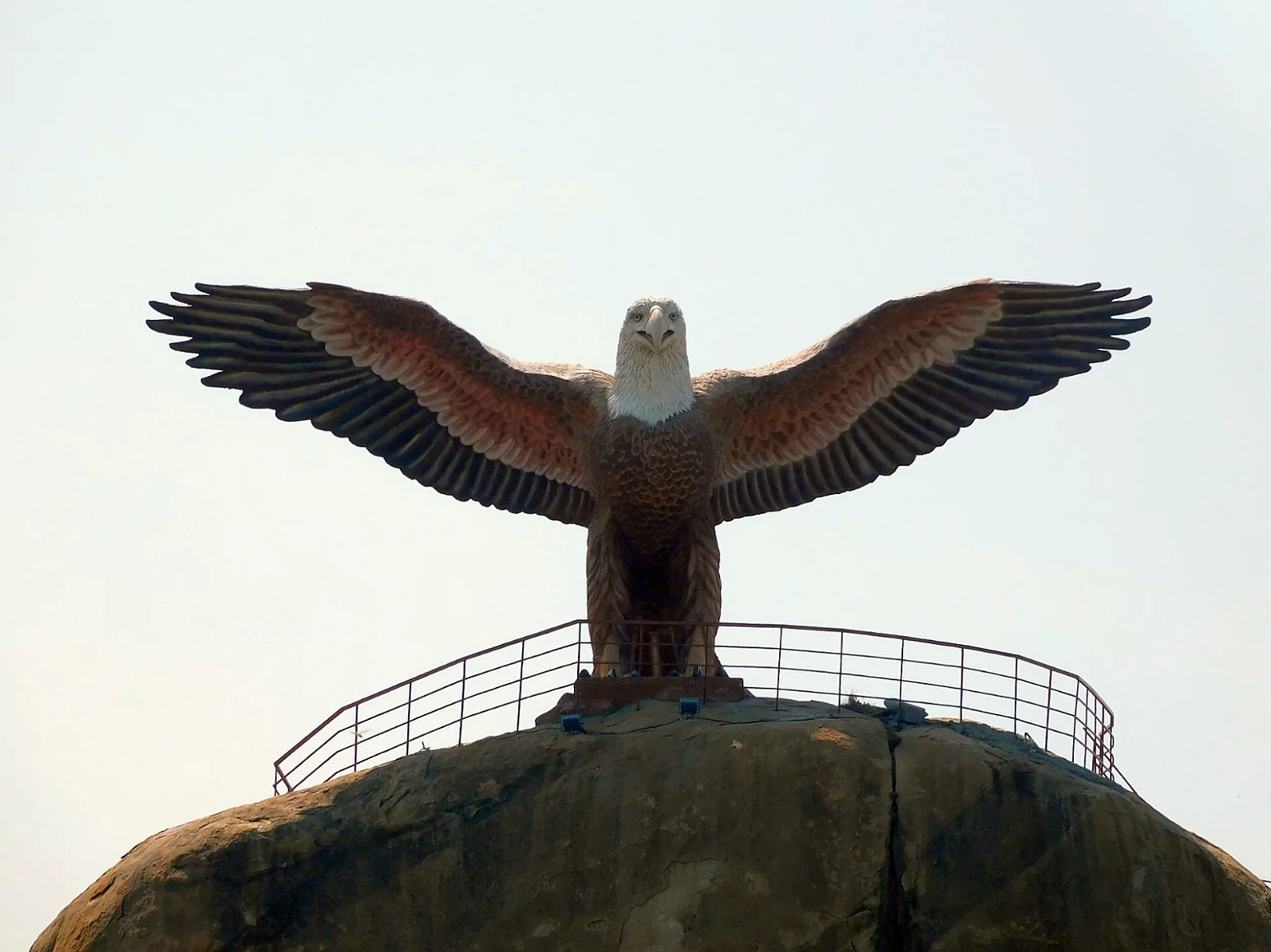
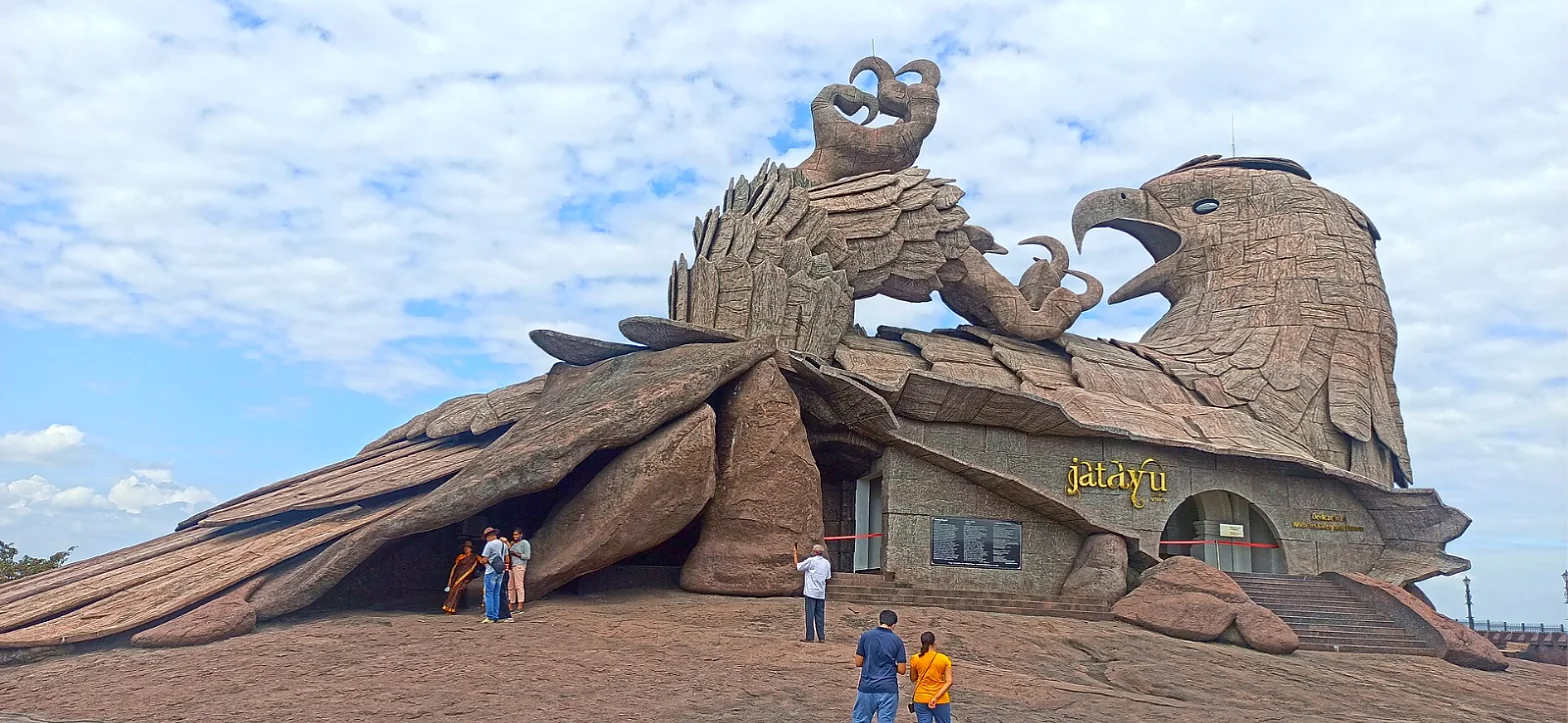
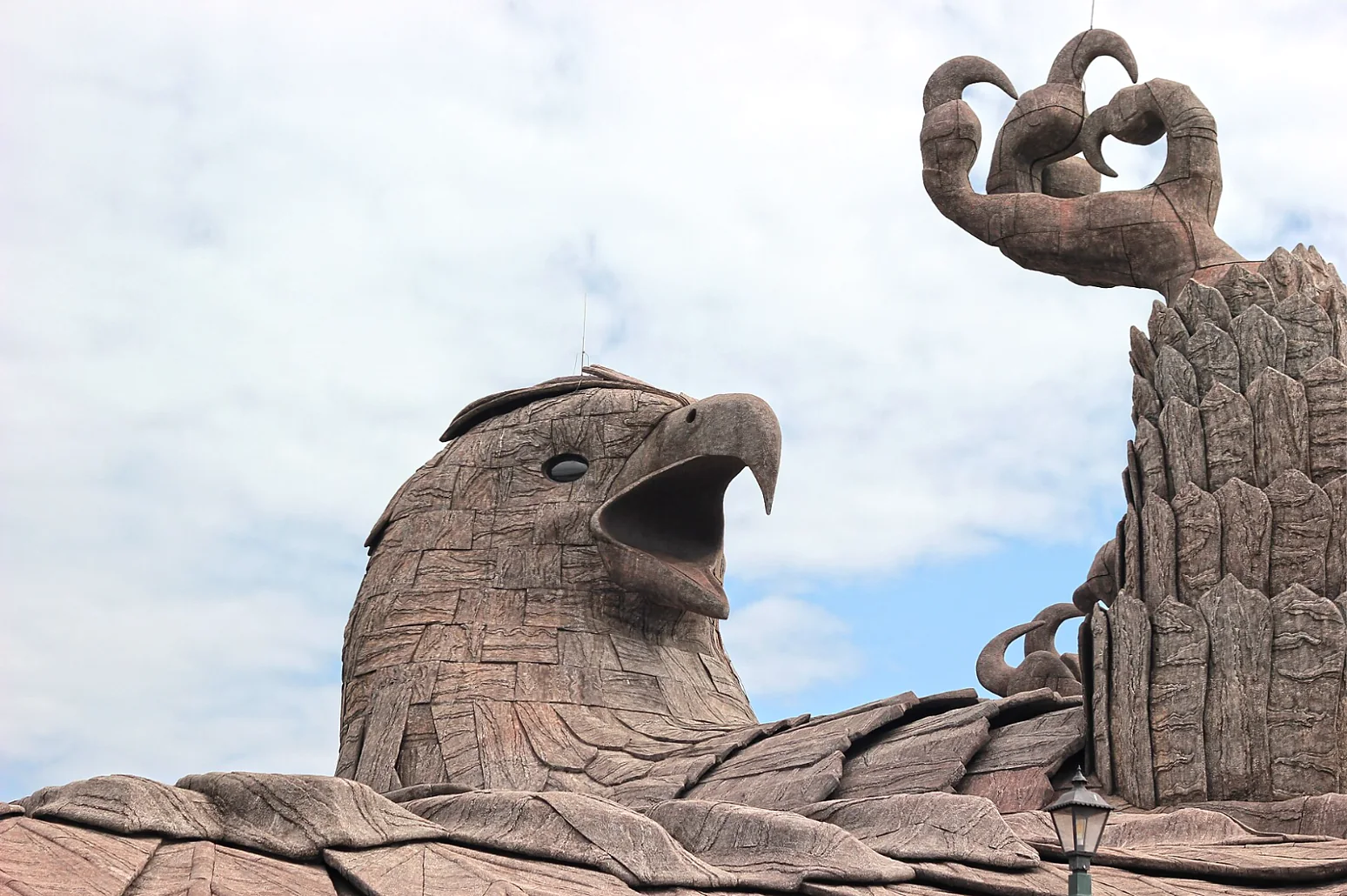
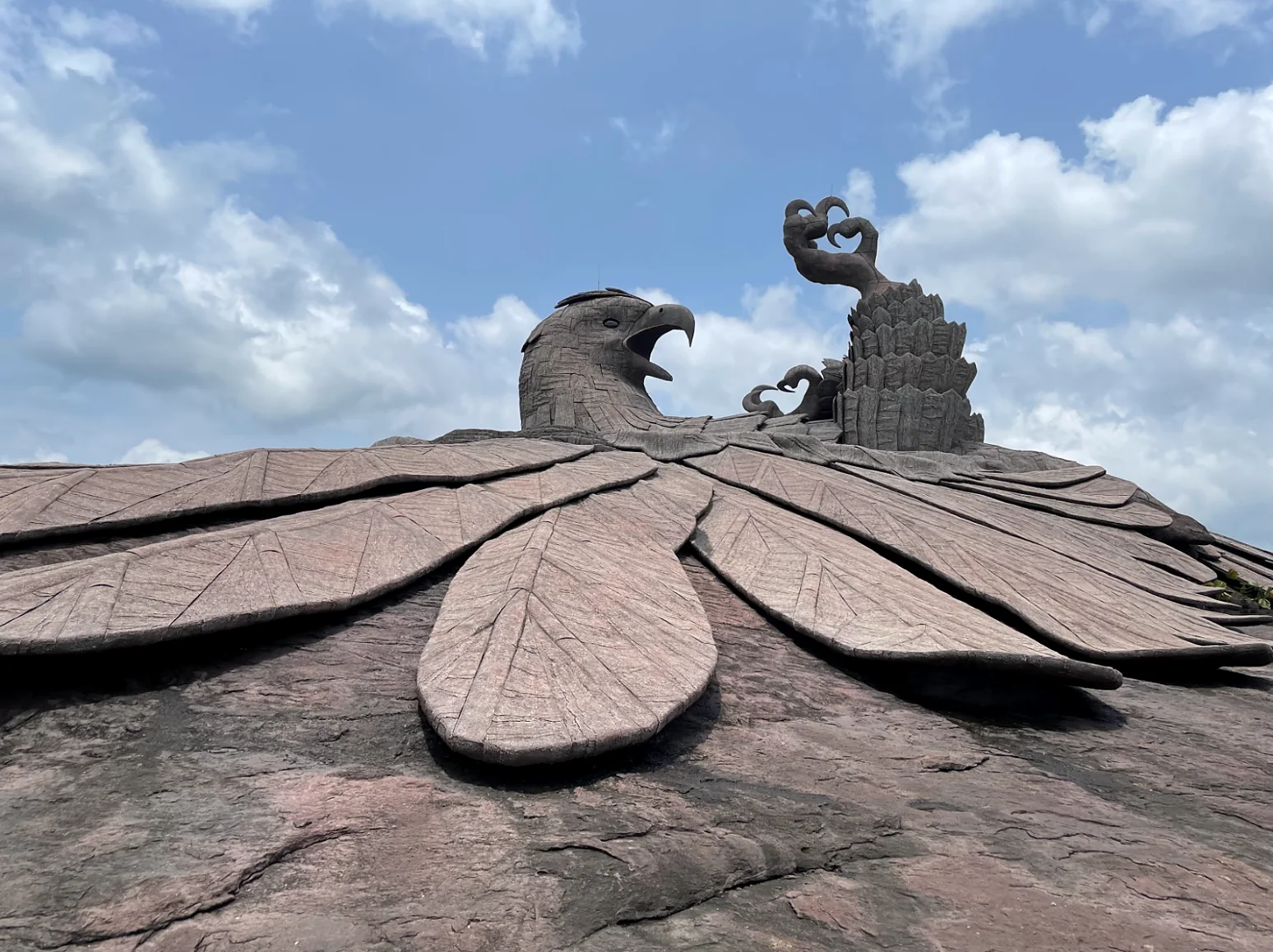
On a bald granite hill above the village of Chadayamangalam, in Kollam district, lies a bird the size of a building. It is wounded. One wing is spread across the rock, the head is lifted with the beak open in a cry, and one great foot claws at the sky. This is Jatayu, the vulture-king of the Ramayana, who gave his life trying to save Sita from Ravana, and the hill is Jatayupara, 'Jatayu's rock', where, the people of this place have long believed, he fell.
The sculpture, the centrepiece of Jatayu Earth's Center, is the work of the filmmaker and sculptor Rajiv Anchal, who spent about a decade on it. It is the largest bird sculpture in the world: no larger sculpture of a bird exists anywhere, and it is recognised as the world's largest across India and abroad. In this article we tell the story it comes from, as the oldest texts and the old painters told it; we look at the local tradition of the rock, its temple and the 'footprint of Rama'; we follow the making of the sculpture; and, as always, we give our own assessments, clearly marked.
At a glance
- Where: Jatayupara, Chadayamangalam, Kollam district, beside the MC Road between Thiruvananthapuram and Kottarakkara; about 38 km from Kollam and about 45–50 km from Thiruvananthapuram.
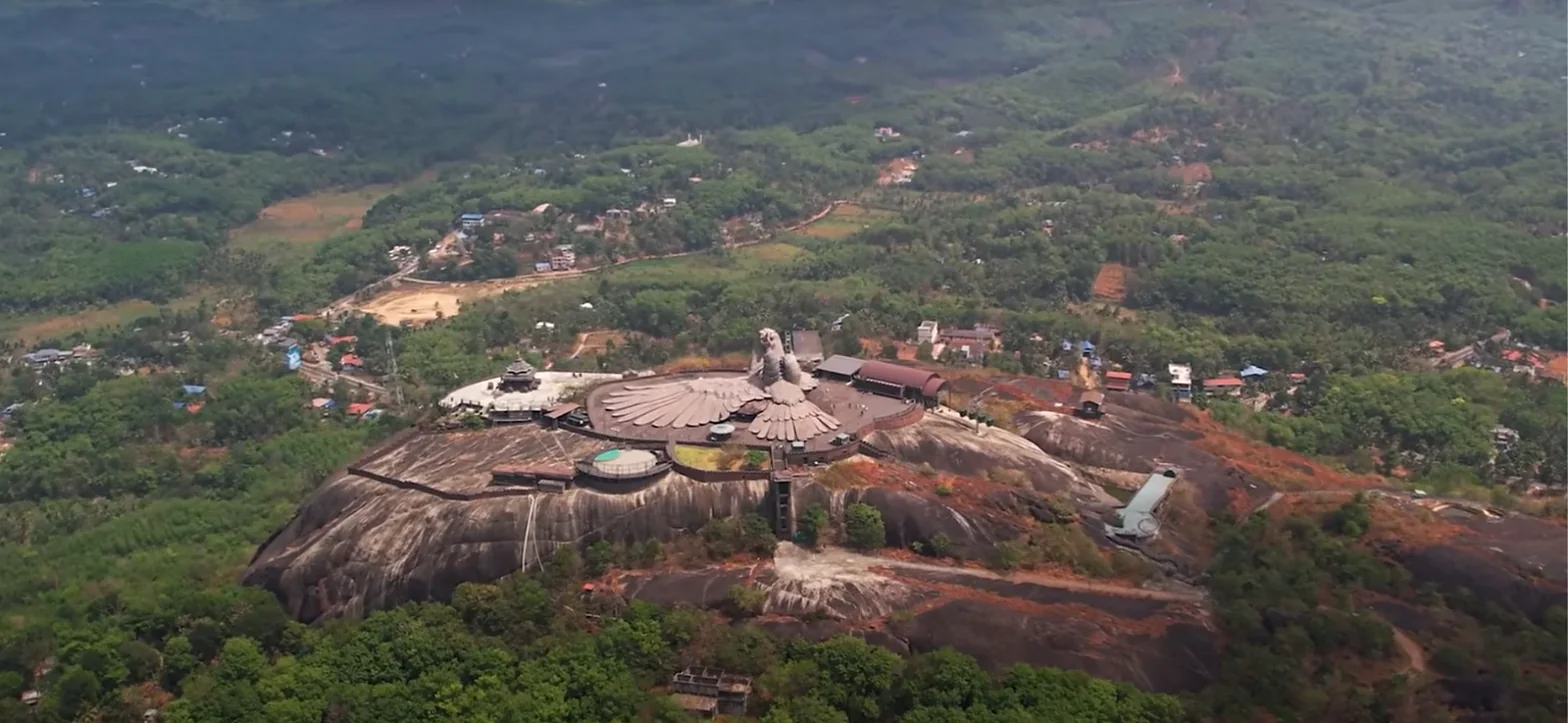
- The rock: a granite hill about 1,000 feet (around 300–350 m) above sea level; the park covers about 65 acres.
- The sculpture: about 200 feet (61 m) long, 150 feet (46 m) wide and 70 feet (21 m) high, with some 15,000 sq ft of floor space inside; concrete over a steel frame, built on the living rock.
- Creator: Rajiv Anchal, filmmaker (director of Guru, India's 1997 entry for the Academy Awards) and sculptor.
- Opened: in phases from 2017; the sculpture and cable car opened to the public in 2018. Kerala's first tourism project built on the build–operate–transfer (public–private partnership) model.
- Getting up: by a Swiss-built cable car, or on foot by a long stone path and steps.
The story: who was Jatayu?
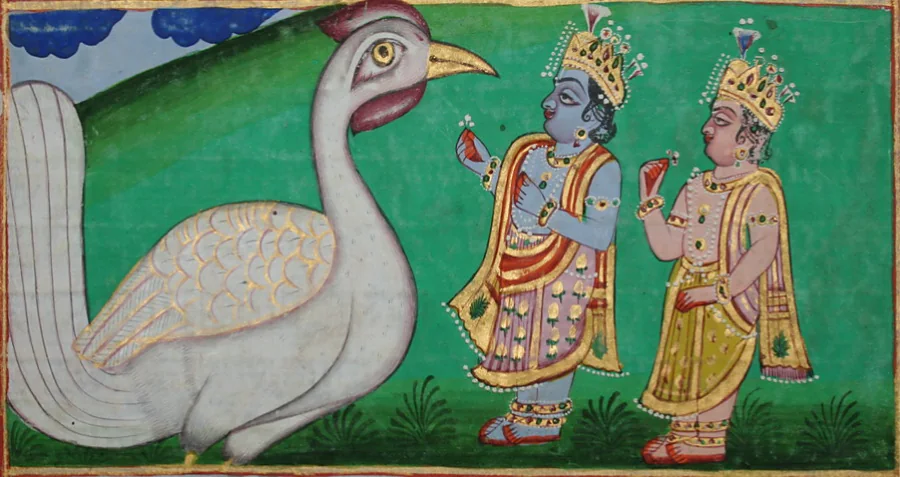
In Valmiki's Ramayana, Jatayu is the son of Aruna, the charioteer of the Sun, and the brother of Sampati; he is a king among birds, very old, and an old friend of Rama's father, King Dasharatha. When Rama, Sita and Lakshmana come to live in exile at Panchavati in the Dandaka forest, Jatayu meets them and promises to watch over Sita whenever the brothers are away.
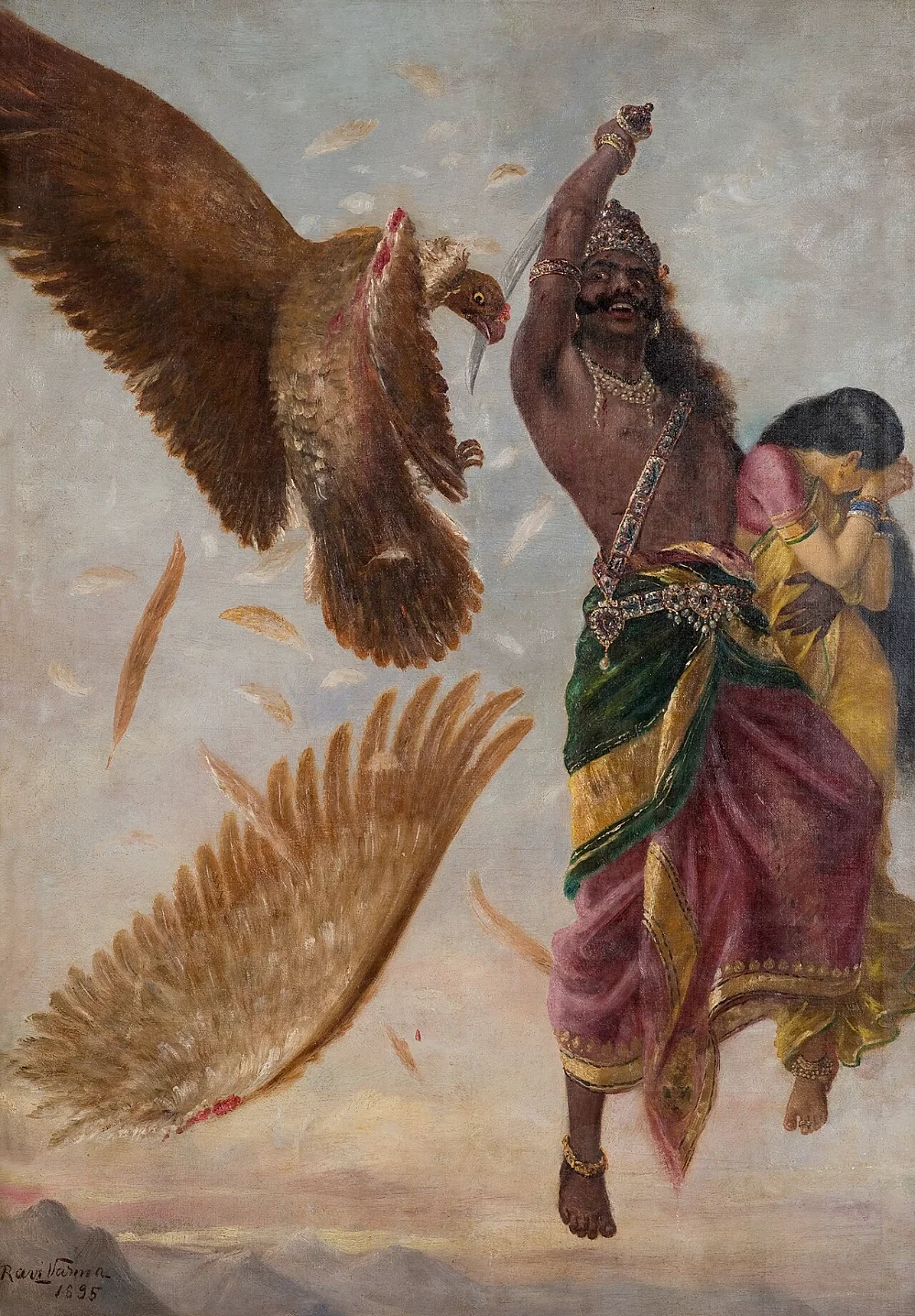
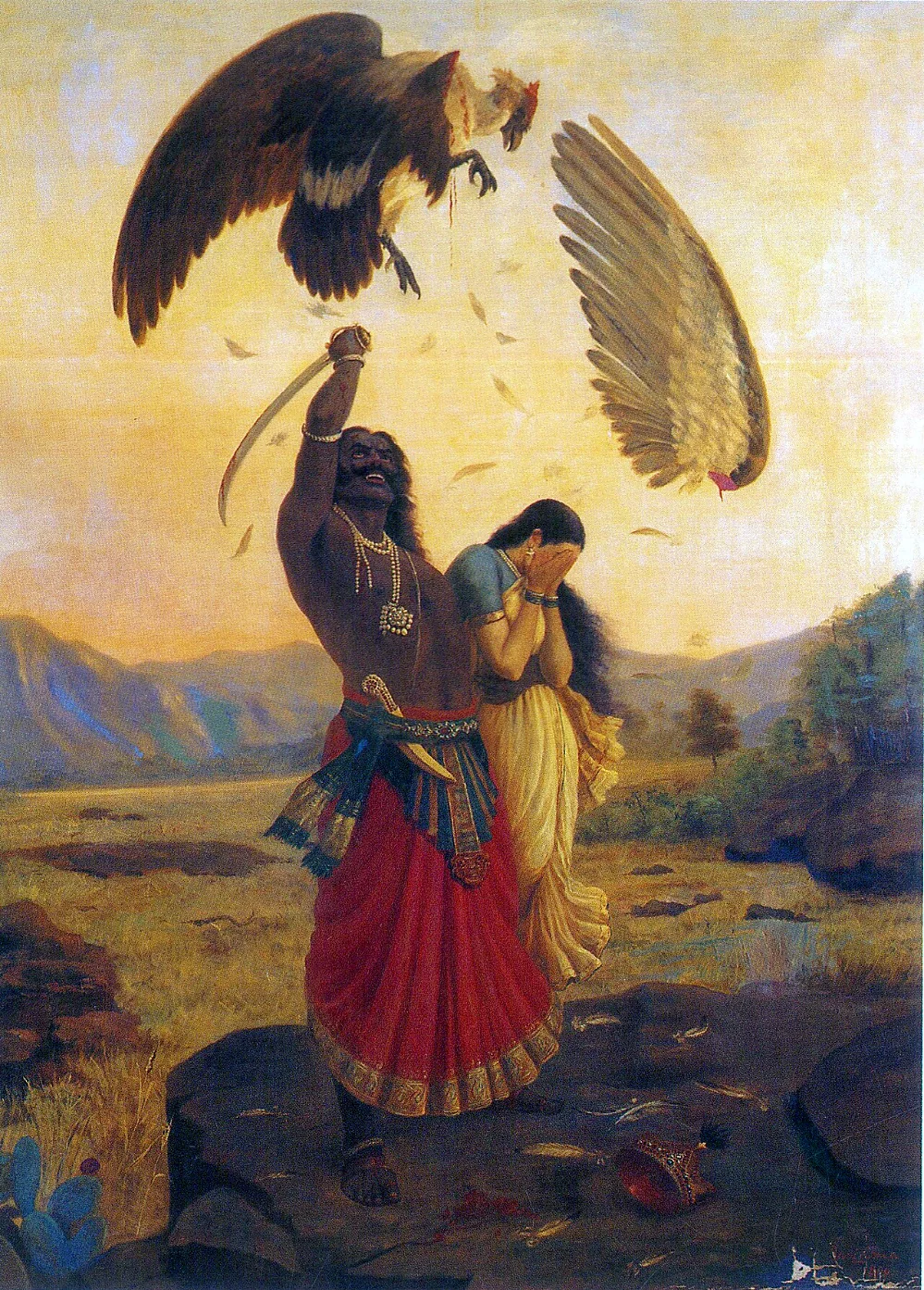
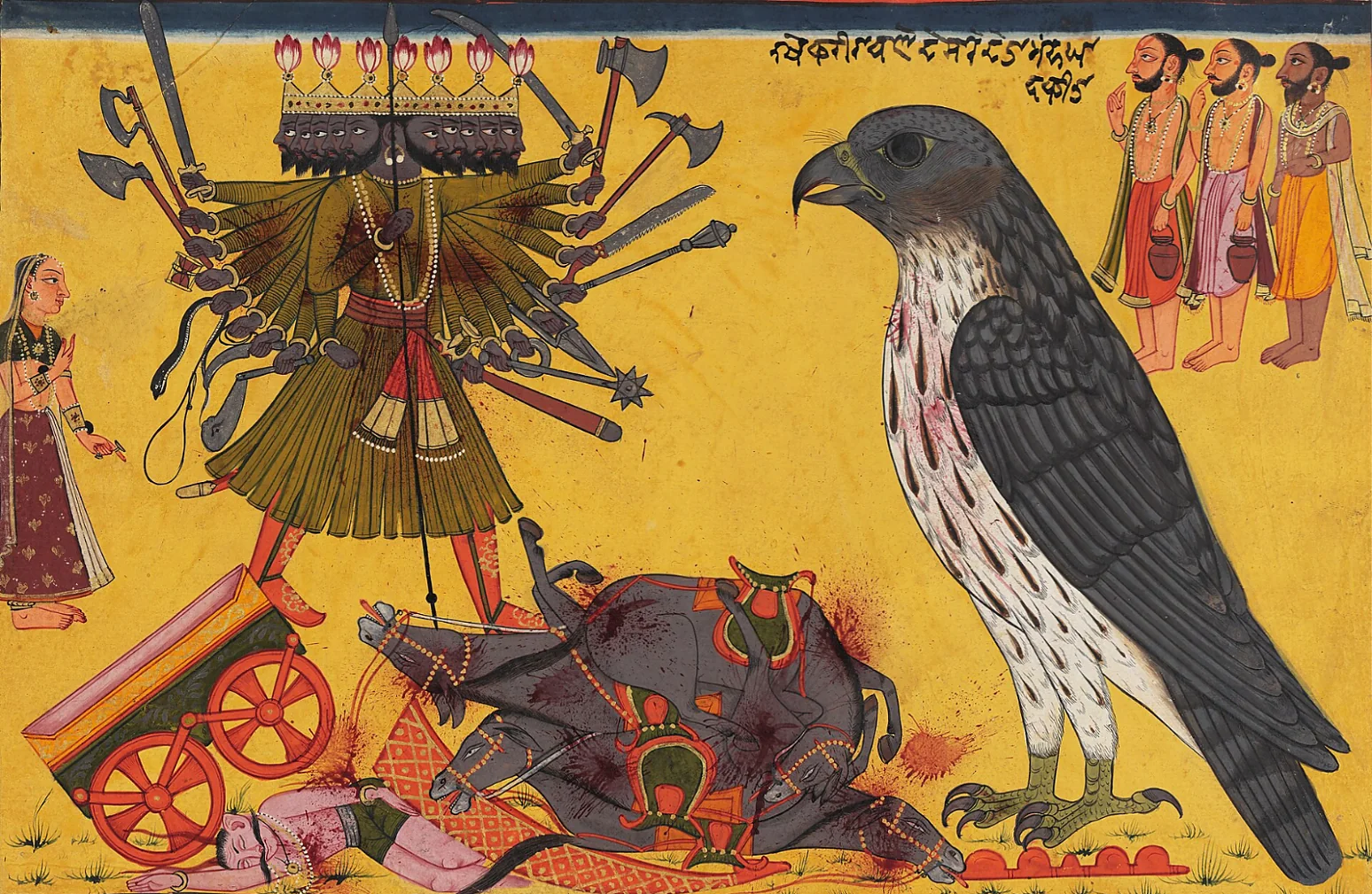
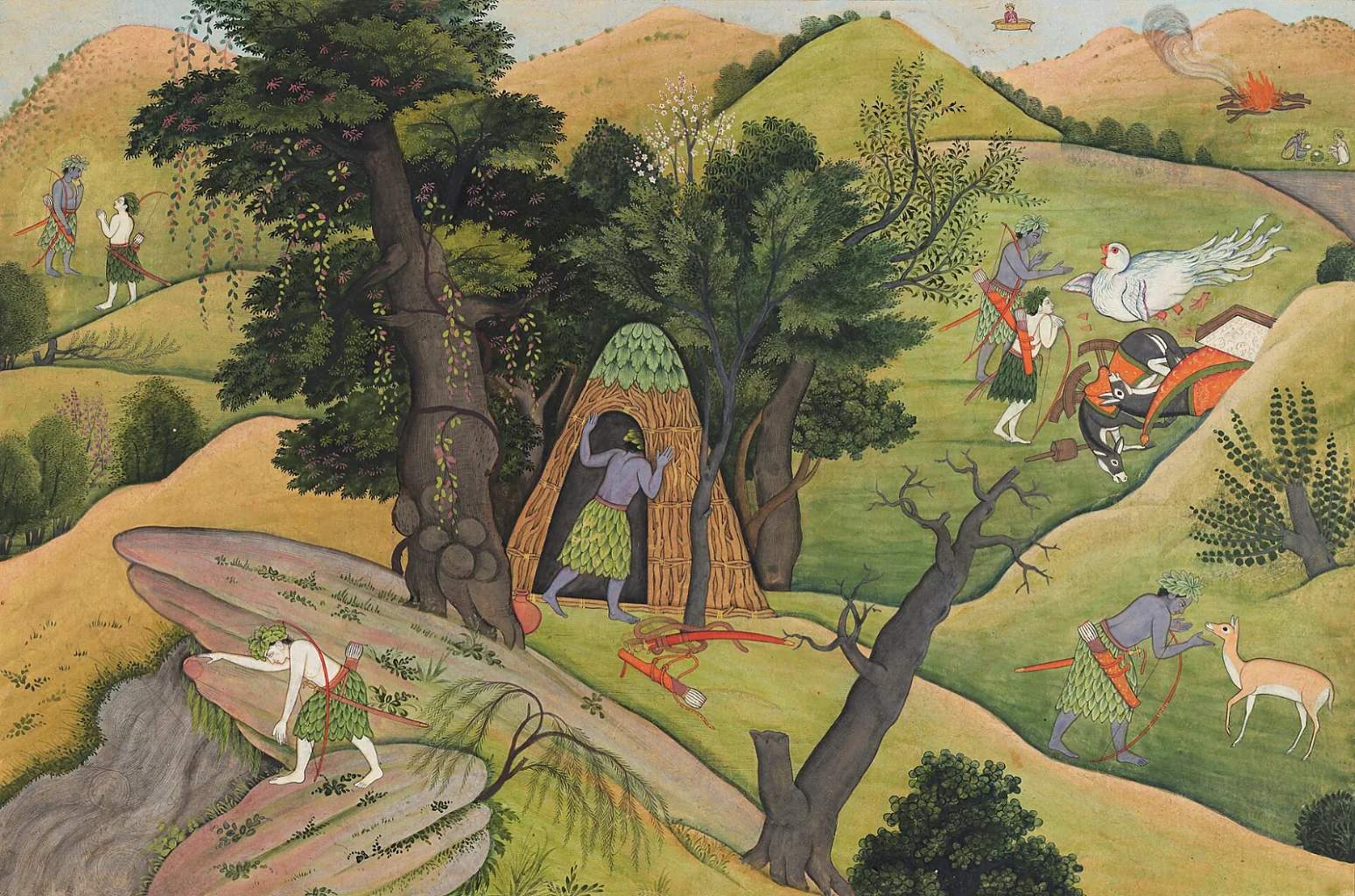
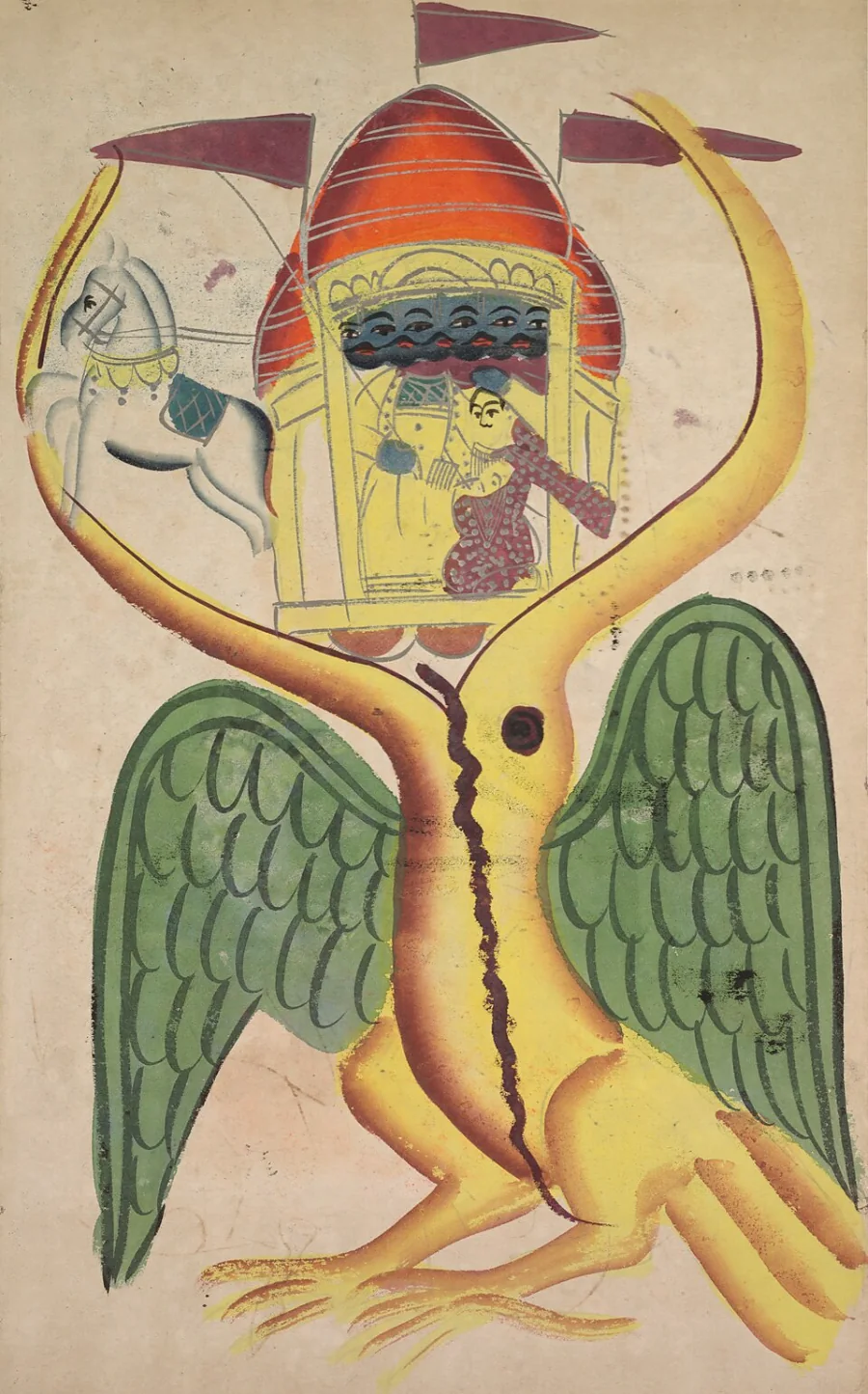
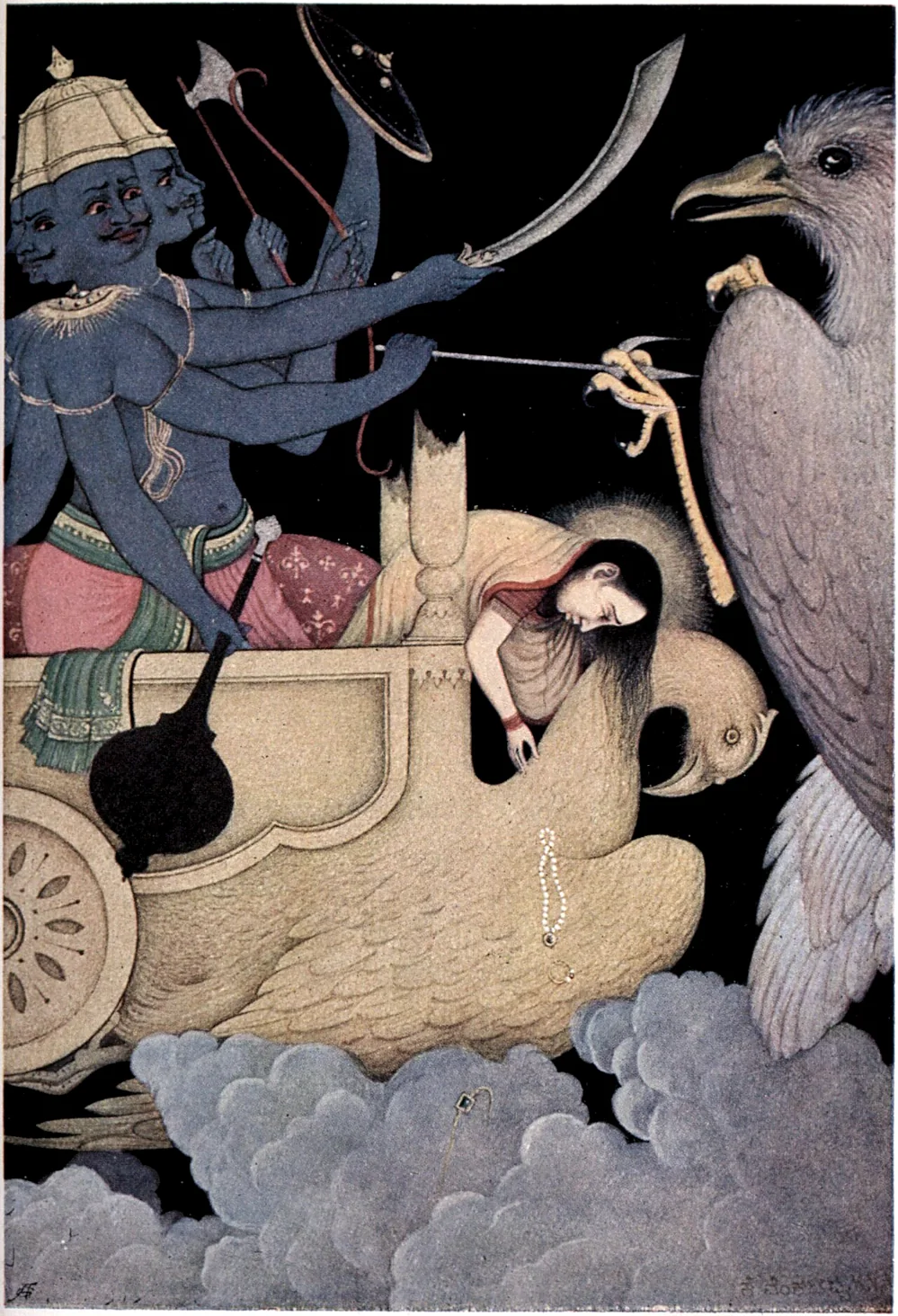
That promise is tested in the third book, the Aranya Kanda. Lured away by the golden deer, Rama and then Lakshmana leave Sita alone, and Ravana, king of Lanka, seizes her and carries her off through the sky in his flying chariot. Jatayu, woken by Sita's cries, challenges him. In the poem the old bird fights with astonishing fury: he breaks Ravana's bow, kills the asses that draw the chariot and the charioteer, shatters the chariot itself and tears at Ravana with beak and talons. But he is old, and Ravana is not. Ravana draws his sword and cuts off Jatayu's wings, and the bird falls to the ground. Ravana flies on with Sita towards Lanka.
Searching for Sita, Rama and Lakshmana find Jatayu lying in his blood, close to death. With his last breath he tells them that Ravana has taken her, and which way they went, south. Then he dies. Rama, weeping, says he grieves for Jatayu as for his own father, and performs his funeral rites with his own hands, as a son would. The vulture who had no reason to fight except loyalty and the protection of a woman is given the honour of a king.
Jatayu in Indian art
Jatayu's fight is one of the most painted scenes of the Ramayana. The court painters of the 18th century showed it as a story told in many moments on one page; the popular painters of Kalighat in Calcutta reduced it to a few bold strokes; and in the age of oil paint and printing presses, Raja Ravi Varma of Kilimanoor, who was born at Kilimanoor, about 14 km from Chadayamangalam, made it into a drama of a single moment. His Jatayu pictures, reproduced as cheap prints, carried this image into homes all over India.
Jatayupara: the rock where he fell
Valmiki's poem places the fight in the Dandaka forest, near Panchavati, and many places in India claim the spot where Jatayu fell. In southern Kerala the claim belongs to Jatayupara. The local tradition is clear and old: Ravana, flying south towards Lanka with Sita, was intercepted over these hills; Jatayu fell, wingless, on this rock; and here Rama found him.
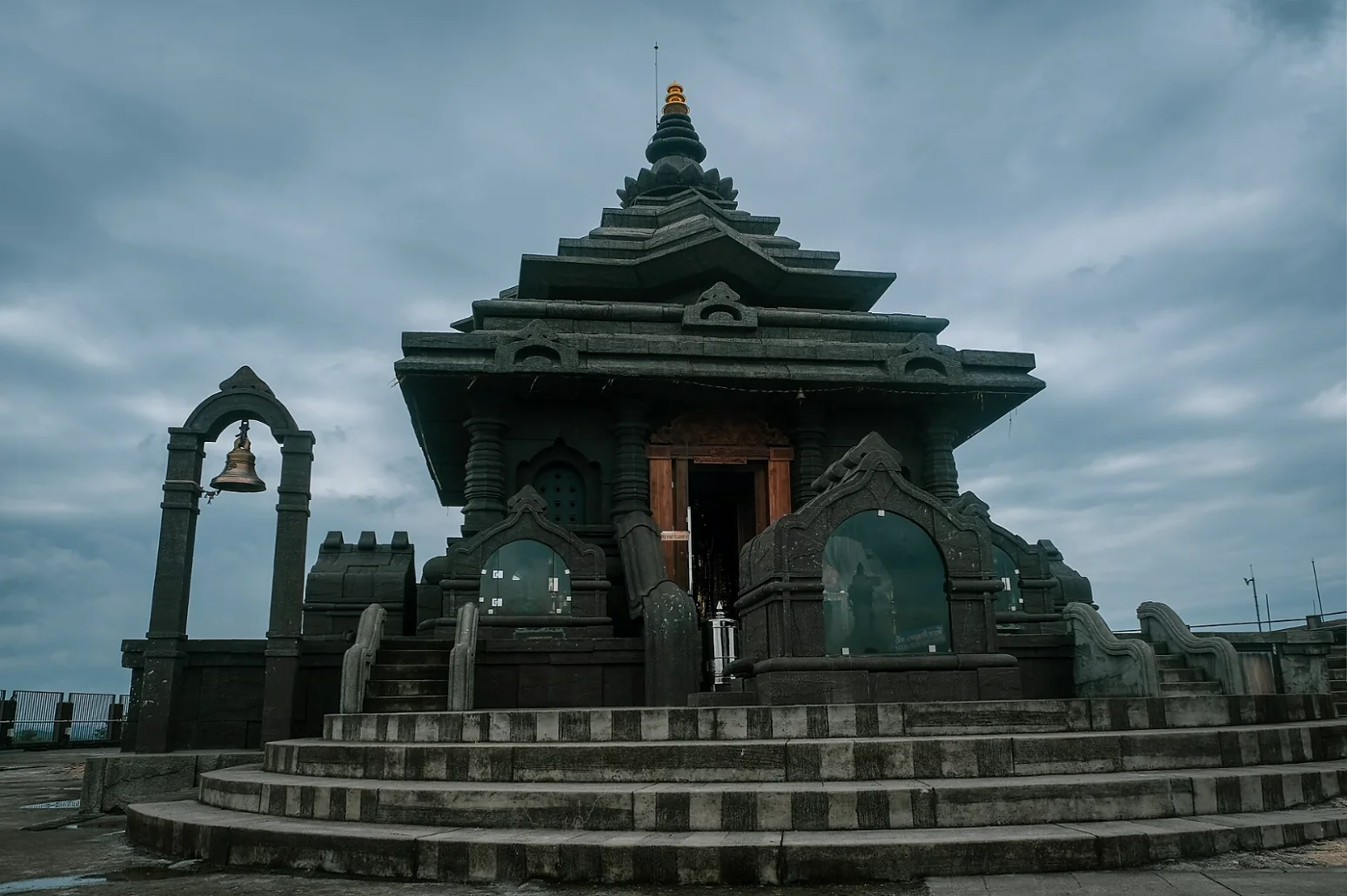
- The temple. At the summit stands the Sree Kodandarama temple, dedicated to Rama as the archer (Kodanda is his bow), with a large image of Jatayu.
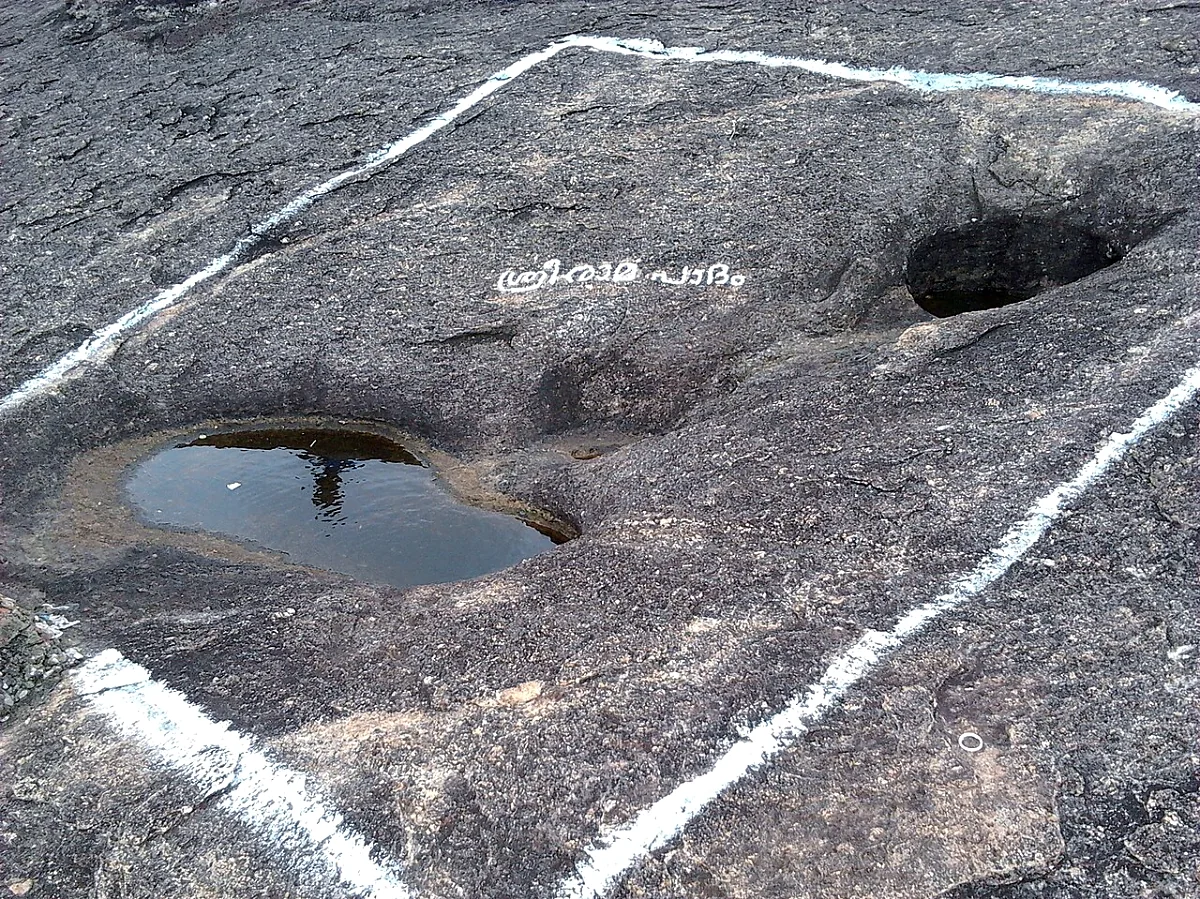
- The footprint and the pool. On the bare rock, a hollow is venerated as Sree Rama Padam, 'the footprint of Rama', where, it is said, he stood to grant Jatayu release (moksha). Beside it is a small pool that, the local people say, never dries even in the height of summer; tradition says Rama shot an arrow into the rock to bring water for the dying bird.
- The rites. Devotees believe Rama performed Jatayu's funeral rites (pithru tharpanam) here, and the rock is still a place for offerings to the dead.
- The name. The village is also called Jatayumangalam, and many people explain Chadayamangalam as a Malayalam form of 'Jatayu-mangalam'.
Our assessment: the name Chadayamangalam
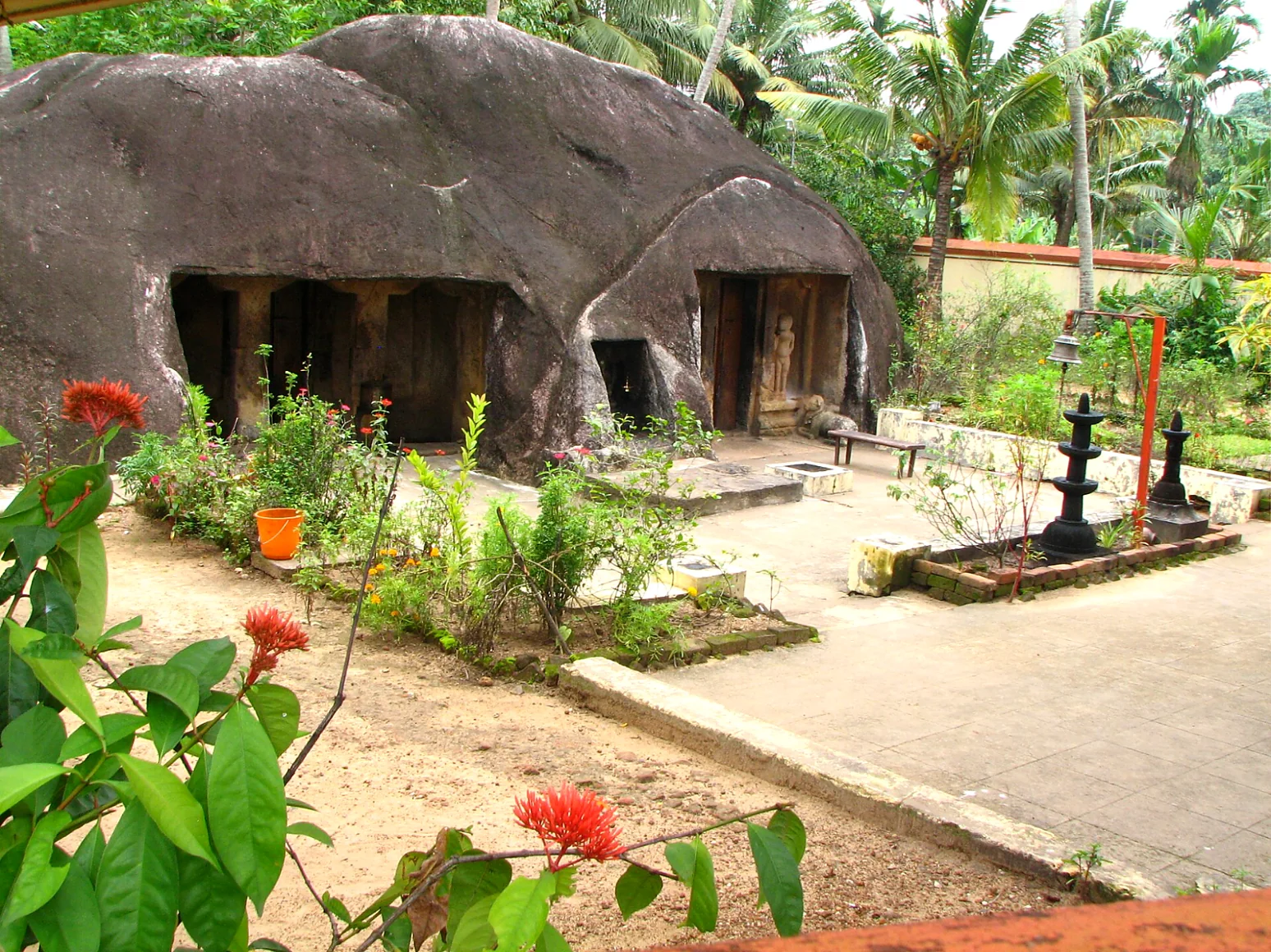
The folk etymology, Chadayamangalam from Jatayu-mangalam, is attractive and widely repeated, but we should be careful. Historians point to another possibility: Chadayan was a name of the Pandya kings who dominated southern Kerala in the 8th and 9th centuries; one of them, Jatila Parantaka Nedunjadaiyan, conquered the Ay country of southern Kerala in the 760s, and the 8th–9th century rock-cut cave temple at Kottukal, only a few kilometres away, shows Pandya and Ay workmanship. A place named after a Chadayan king, or a temple endowment in his name, would fit that history well.
What is fascinating is that both explanations lead back to the same Sanskrit word. Jata means matted hair; Jatayu and Jatila (and its Tamil form Chadaiyan) both come from it. So whether the village was named after the bird or after a king, it carries the same root. We think the royal explanation is the more likely origin, and that the Jatayu story, already attached to the great rock, then gave the name a second and more beautiful meaning. Neither can be proved from the evidence available to us.
Our assessment: one bird, many rocks
Jatayu falls in several places in India. At Lepakshi in Andhra Pradesh, tradition says Rama found him there and called 'Le, pakshi!', 'Rise, bird!', which gave the place its name; there are claims in Maharashtra, near Nashik, close to Valmiki's Panchavati, and in Tamil Nadu. These are not competing errors. They are the way India has always lived with its epics: by mapping them onto its own hills and rivers, so that the story happened here, among us. Chadayamangalam's claim is a Kerala chapter of that sacred geography, and the great granite dome, rising bare out of the green country, is exactly the kind of place where people expect a hero to have fallen. Its tradition did not begin with the sculpture: the summit temple, the footprint and the pool were there long before; the sculpture made the old story visible to the world.
Rajiv Anchal and the making of a giant
Rajiv Anchal (born 1956) is best known as a film director. His films include Butterflies (1993) and Guru (1997), a philosophical fable starring Mohanlal that was India's official submission to the Academy Awards for Best Foreign Language Film. He is also a sculptor and designer, and worked on the architecture of the Parnashala at the Santhigiri Ashram near Thiruvananthapuram.
The Jatayu project took him about ten years. Work on the rock was under way by the early 2010s; the state's tourism department backed it as a build–operate–transfer project, Kerala's first, and about 150 non-resident Keralites are reported to have invested in it as promoters. The figure was built on the bare rock itself, in concrete over a steel frame, its feathers modelled one by one like overlapping slabs of stone, so that from a distance it seems to grow out of the granite. Inside the body are halls planned for a museum and a multi-dimensional theatre telling the Jatayu story; the eyes are windows.
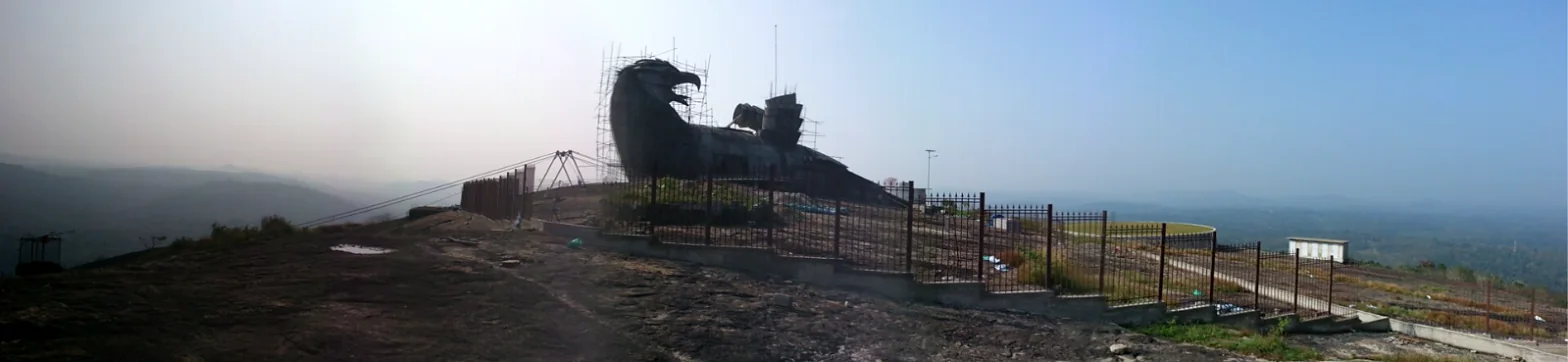
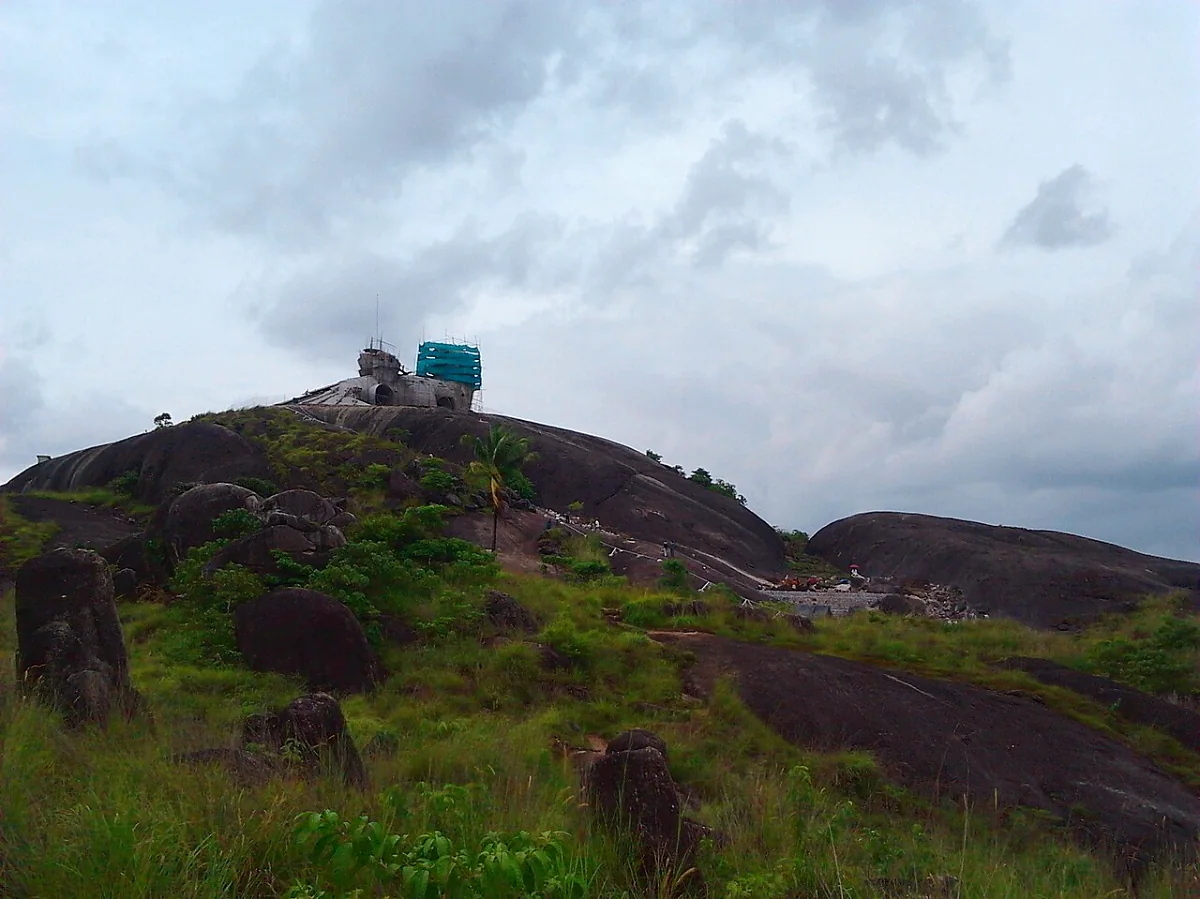
The adventure zone opened in 2017, and the sculpture, with the cable car, was opened to the public in 2018, when Chief Minister Pinarayi Vijayan inaugurated the centre. A plaque near the sculpture dedicates it, with a poem translated by K. Jayakumar, to Jatayu. Rajiv Anchal explained the meaning he intended: 'The mythical bird laid down her life while fighting to protect the honour of a woman', he told the Gulf Times in 2018. 'It symbolises woman safety and protection.'
Our assessment: the largest bird in the world, and why it lies wounded
At 200 feet long, 150 feet wide and 70 feet tall, the Jatayu of Chadayamangalam is the largest bird sculpture in the world; there is no larger sculpture of a bird anywhere, and it is widely recognised as such around the globe. It is also a sculpture you can walk into, with halls inside its body and windows for eyes.
More interesting to us is the artist's choice of moment. Most monuments show heroes standing in triumph. Rajiv Anchal shows Jatayu defeated: wingless, fallen, crying out, one foot still fighting. That is true to the story. Jatayu does not win; he is honoured because he fought anyway, for someone who was not his own, against an enemy he could not defeat. The sculptor's own reading of it, as a monument to the protection of women, is a modern one, but it is faithful to the heart of the old story.
Visiting Jatayu Earth's Center
- Getting there: Chadayamangalam is on the MC Road (the Main Central Road from Thiruvananthapuram to Kottarakkara and Kottayam). The nearest airport is Thiruvananthapuram; the nearest major railway stations are Kollam and Thiruvananthapuram. From Idukki and Munnar it is a long day's drive by way of Kottayam and the MC Road.
- Going up: the cable car is the easiest way to the summit, for children and older visitors; the walk up the rock takes much longer and needs good shoes, especially after rain.
- What to see: the sculpture and its surroundings, the Kodandarama temple and Rama's footprint on the summit, and the wide views over the hills of Kollam; the centre also runs an adventure park (zip lines, climbing, archery and more) and has offered helicopter rides.
- Tickets and timings: these change; check the official Jatayu Earth's Center website before you go, and book online, especially on weekends and holidays.
- Respect: the summit is also a place of worship; dress modestly near the temple and footprint, and do not litter the rock.
- Nearby: the Kottukal rock-cut cave temple; Kilimanoor palace, the birthplace of Raja Ravi Varma; and Thiruvananthapuram.
Read also: Rameswaram, Dhanushkodi and Ram Setu · Hampi, the Kishkindha of the Ramayana · Thiruvananthapuram and the Padmanabhaswamy temple · Theyyam: the gods
See it for yourself, with a local driver who knows these roads.
Book a Munnar Jeep SafariSources & further reading
- Valmiki, The Ramayana, trans. R. T. H. Griffith, Book III (Wikisource)
- Wikipedia: Jatayu Earth's Center Nature Park
- Wikipedia: Chadayamangalam
- Wikipedia: Rajiv Anchal
- Wikipedia: Jatayu
- Chadayamangalam Grama Panchayat: Jatayu Earth's Center
- Chadayamangalam Grama Panchayat: Sri Kodandarama Temple, Jatayupara
- Gulf Times (24 May 2018): Colossal sculpture, Kerala's new tourist attraction
- The News Minute (2017): New adventure park in Kerala
Figures are from the sources listed and were checked in October 2026. Park timings and road conditions change, so please confirm before you travel.