
Payyanur, 1930: Kerala's Salt March and the Town They Called the Second Bardoli
In April 1930, a week after Gandhi picked up salt at Dandi, thirty-two volunteers led by K. Kelappan walked from Kozhikode to Payyanur, singing as they went, to boil seawater in defiance of the British salt law. They were beaten and jailed; the march made a small North Malabar town a byword for courage.
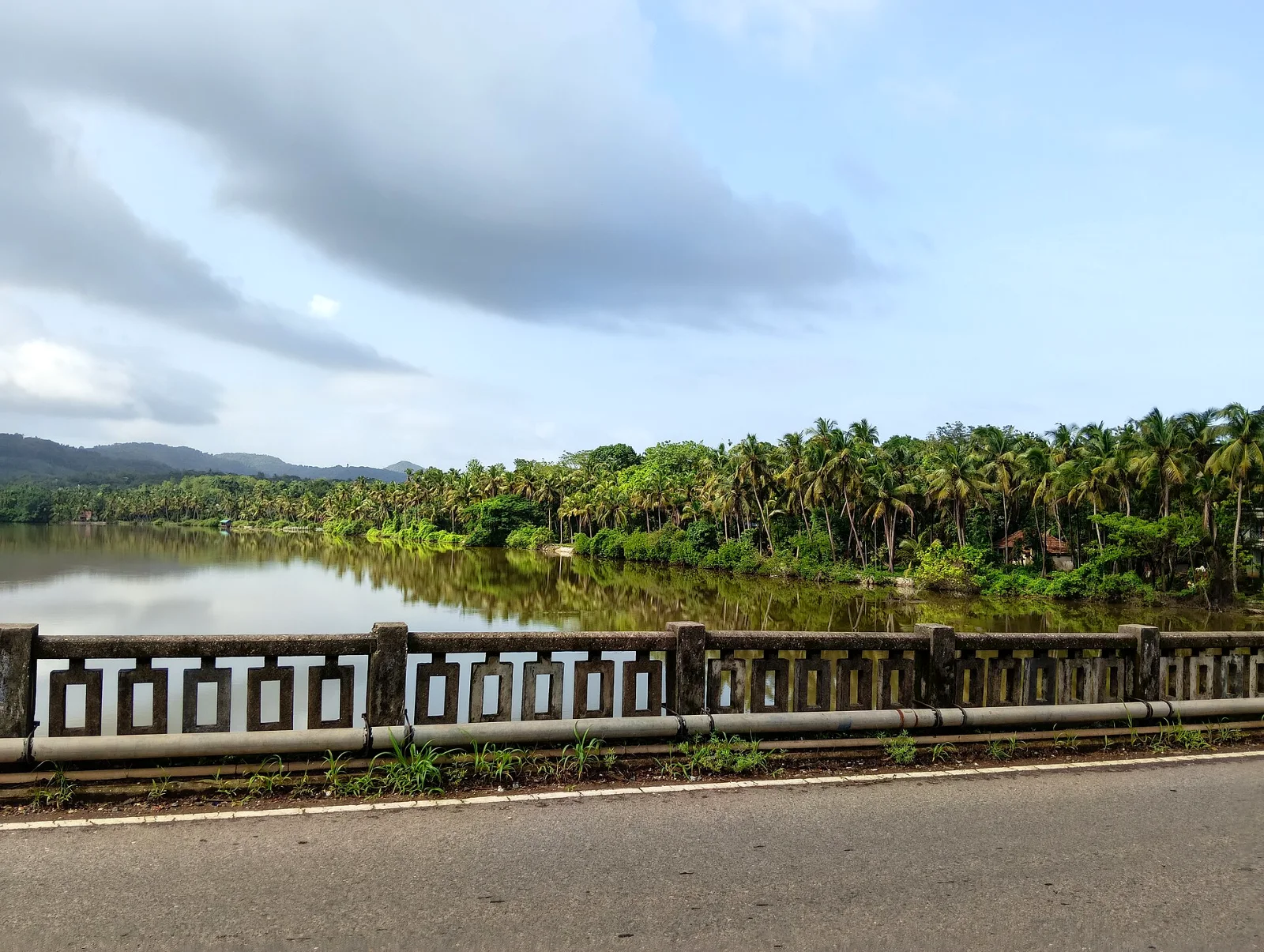
On the morning of 13 April 1930, a small column of men in white khadi set out from the Thali temple in Kozhikode and turned north. There were thirty-two of them, walking in step behind a captain, with a leader in round spectacles at their head. As they went, they sang a new Malayalam song, Varika varika sahajare, ‘Come, come, companions’. Their destination was Payyanur, more than a hundred kilometres up the coast. Their purpose was to make salt.
This is the story of Kerala's Salt March: why it went to Payyanur, what happened when it got there, and why a Bombay newspaper called the little town a ‘Second Bardoli’. As always, our own assessments are clearly marked.
At a glance
- What: Kerala's main Salt Satyagraha, part of Gandhi's Civil Disobedience movement against the British monopoly and tax on salt.
- When: the march left Kozhikode on 13 April 1930 and reached Payyanur on 21 April; salt was made on 23 April (some accounts give 21 or 22 April).
- Who: led by K. Kelappan, the ‘Kerala Gandhi’, with K. T. Kunhiraman Nambiar as captain of thirty-two volunteers; welcomed on the way by Moyyarath Sankaran and C. H. Govindan Nambiar.
- Where: at Uliyath Kadavu, Payyanur, in most accounts; one account places it at Poochal beach in nearby Ramanthali. Payyanur is in today's Kannur district; in 1930 it was in British Malabar, part of the Madras Presidency.
- Aftermath: the camp was raided, volunteers were beaten and Kelappan was arrested. The campaign moved to Kozhikode and Beypore and was suppressed within weeks. The Bombay Chronicle hailed Payyanur as a ‘Second Bardoli’.
A tax on salt
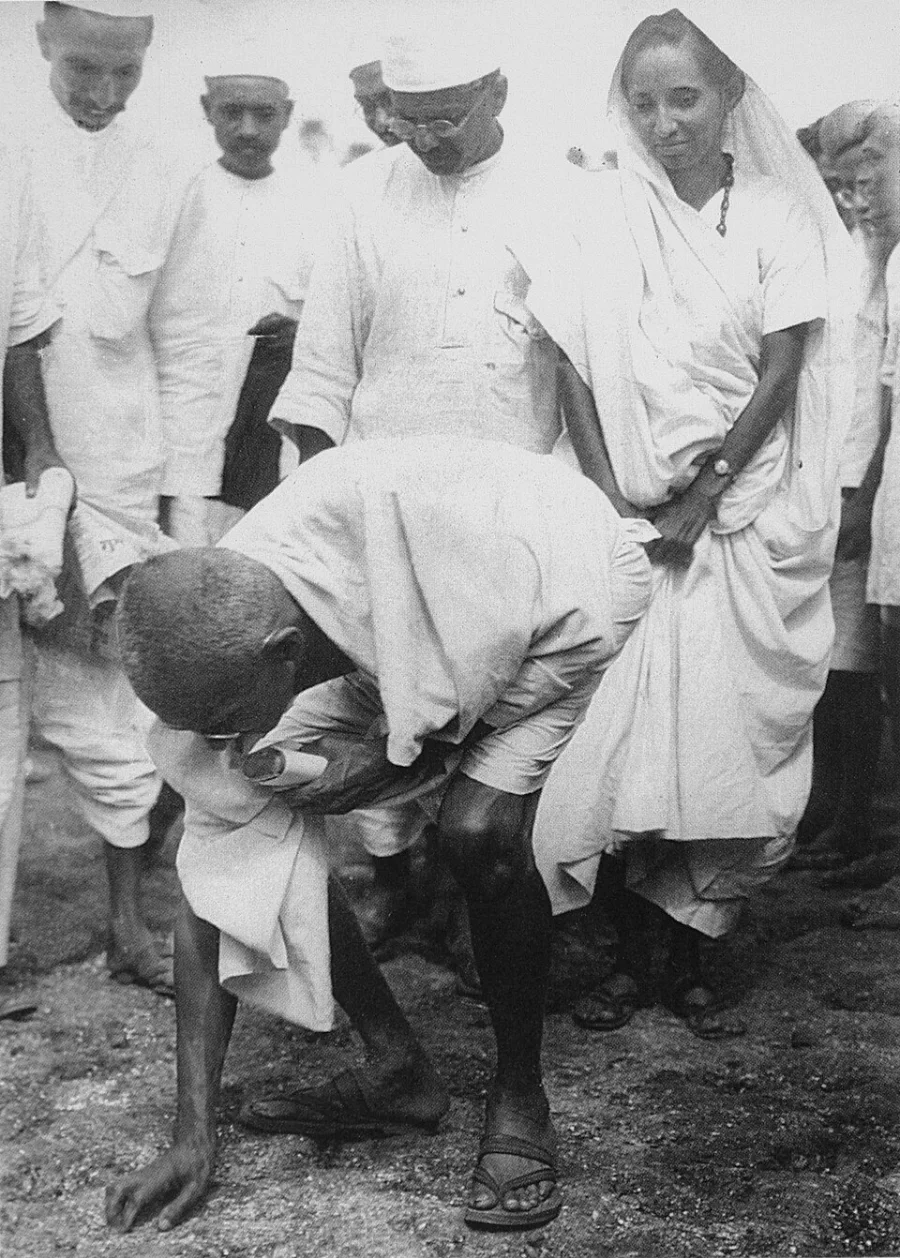
Under the Salt Act of 1882, the British government of India held a monopoly on making and selling salt, and taxed it. Salt is a necessity of life, and the tax fell hardest on the poorest. In March 1930, Mahatma Gandhi chose it as the target of a new campaign of civil disobedience. On 12 March he set out from his ashram at Sabarmati with 78 followers, walked for twenty-four days to the sea at Dandi, and on the morning of 6 April picked up a lump of salt from the shore, breaking the law.
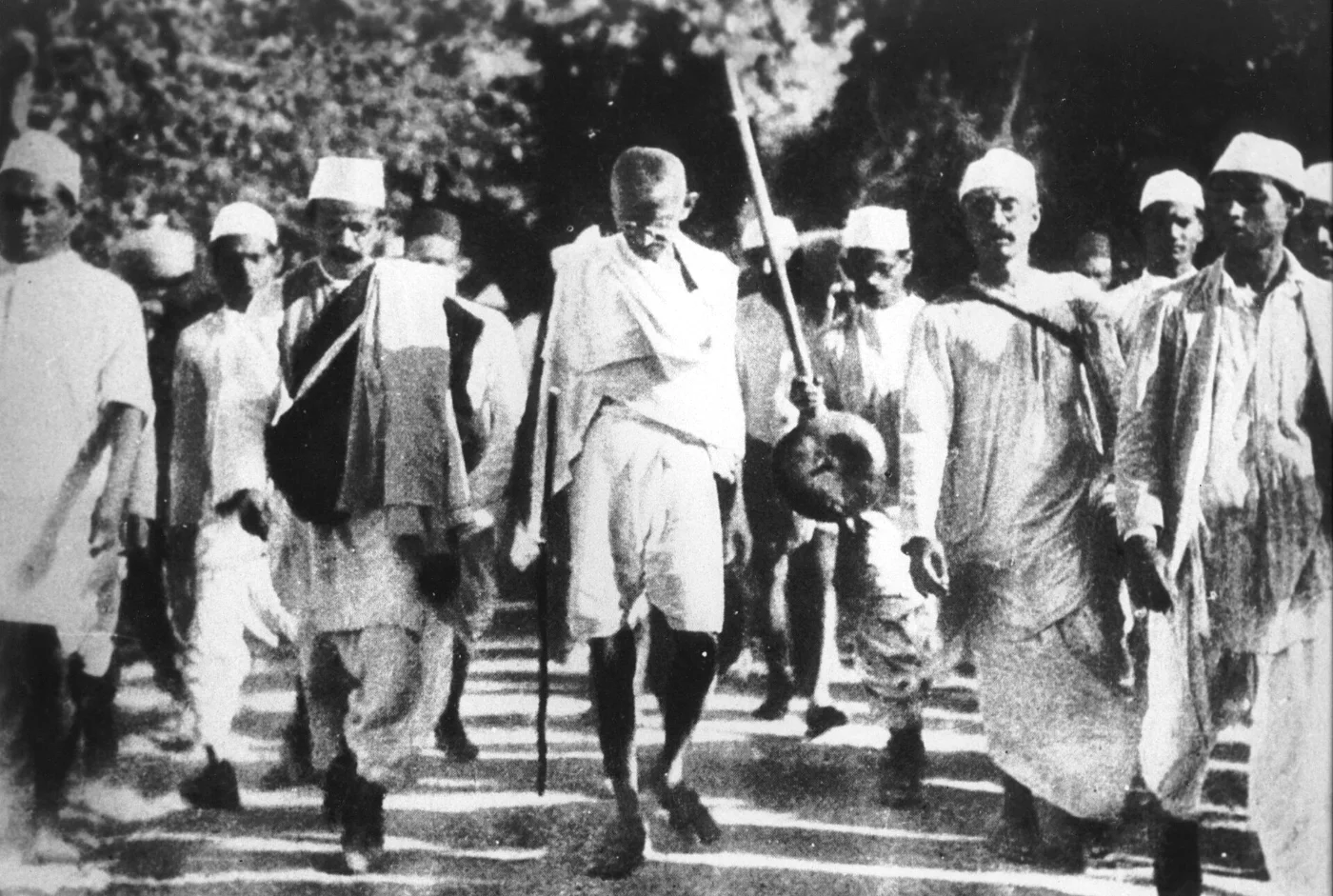
Across India, Congress committees organised their own marches to the sea. In the Tamil country, C. Rajagopalachari led a march from Tiruchirappalli to Vedaranyam that set out on 13 April, the same day as Kelappan's. In Kerala, the obvious place was Malabar. Travancore and Cochin were princely states with their own laws; Malabar was a district of the Madras Presidency, under direct British rule, where the Salt Act applied.
Why Payyanur?
Payyanur, a town on the Perumba river at the northern end of today's Kannur district, had already made its name. In 1928 its young Congress workers, led by Moyyarath Sankaran, A. Lakshmana Shenoy and Subrahmanyam Thirumumpu, protested against the Simon Commission. The same year Payyanur hosted the Fourth All-Kerala Political Conference, presided over by Jawaharlal Nehru, which called for complete independence and for permanent tenancy for those who tilled the land, more than a year before the Congress adopted Purna Swaraj at Lahore.
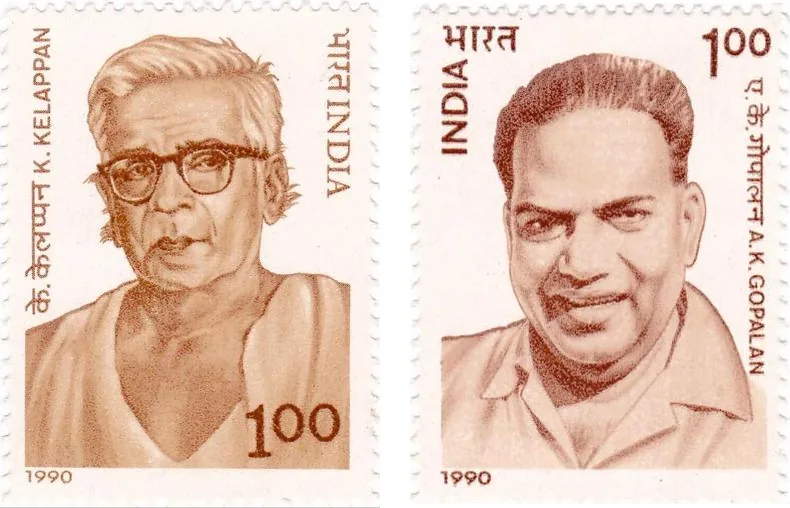
A Congress meeting at Vadakara on 9 March 1930 approved a Kerala salt satyagraha. K. Kelappan was chosen to lead it. Born in 1889 at Muchukunnu near Koyilandy, a teacher who had given up his post for the national movement, he had been one of the leaders of the Vaikom Satyagraha of 1924–25 and was already called the ‘Kerala Gandhi’. K. T. Kunhiraman Nambiar was named captain of the volunteers.
Our assessment: Payyanur was chosen because it had earned it
The salt march did not make Payyanur political; it went there because Payyanur already was. Two years of organising, the Simon Commission protest and the 1928 conference with Nehru had made it the most active Congress centre in North Malabar.
Its distance from Kozhikode also mattered: a week's march along the coast carried the message through every town on the way.
The march
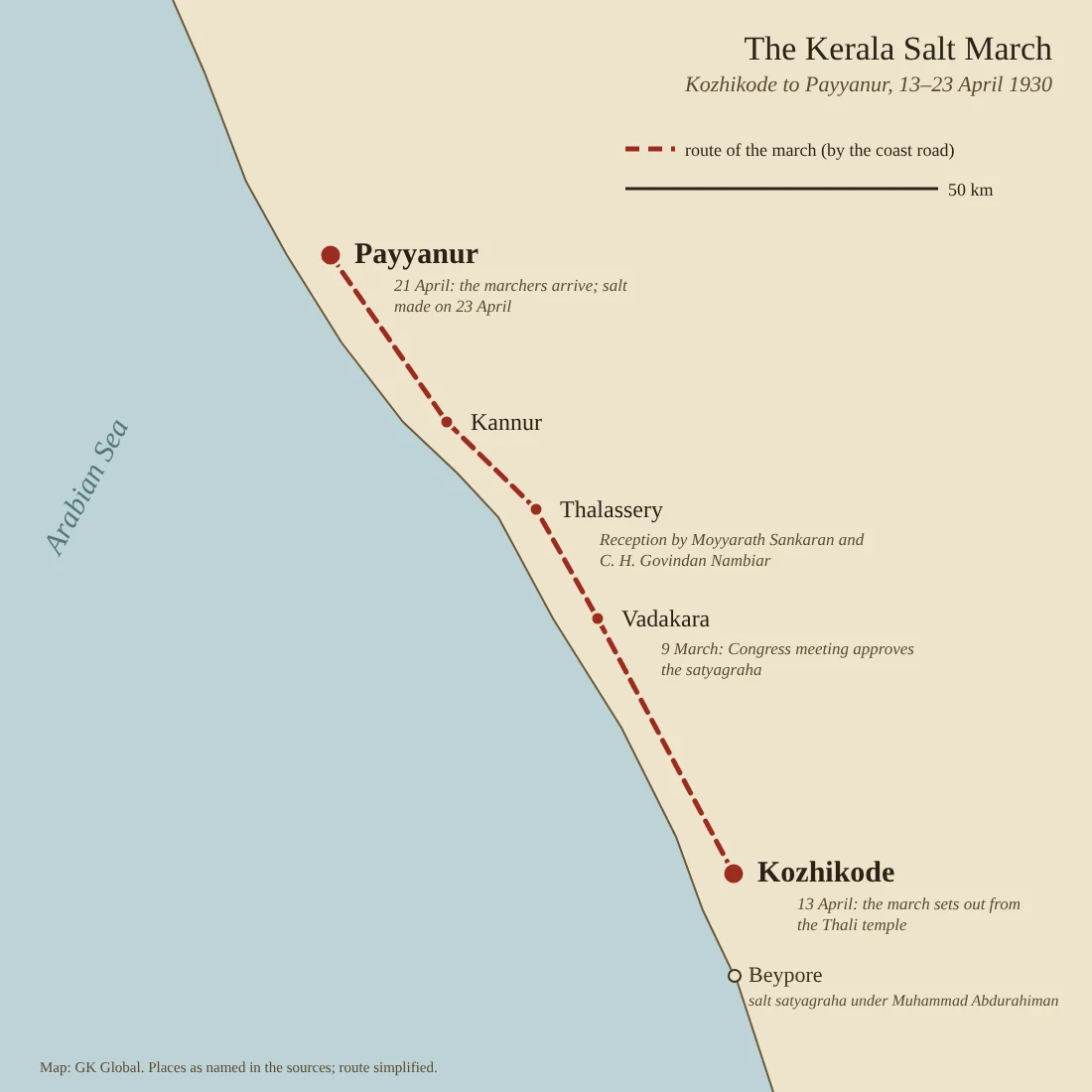
The column left Kozhikode on 13 April and followed the coast north. Along the way, local committees organised receptions. At Thalassery, Moyyarath Sankaran and C. H. Govindan Nambiar welcomed the marchers, and crowds came out to see them. Other groups set out to join: a party of about twenty-five from Thiruvananthapuram, led by Ponnara Sreedhar, N. C. Sekhar and the poet Amsi Narayana Pillai, walked north to Kozhikode singing Varika varika sahajare, which Amsi had written for the campaign. It became the marching song of the satyagraha, and Malayalis still know it today.
On 21 April the marchers reached Payyanur.
Salt on the shore
The salt was made on 23 April 1930, in most accounts at Uliyath Kadavu, a landing on the backwaters near Payyanur. The volunteers gathered seawater and boiled it to make salt, openly and in front of the crowd, while slogans were shouted and national songs sung. Some accounts give the date as 21 or 22 April, and one places the salt-making at Poochal beach in Ramanthali, across the river from the town.
The government's answer was quick. Police raided the satyagraha camp and beat the volunteers. Kelappan and other leaders were arrested and jailed. The arrests set off demonstrations in Kannur, Thalassery and elsewhere, and more Congress workers were arrested.
Our assessment: why the dates and places differ
It is natural for a protest that lasted several days, at a camp by the water, to be remembered as happening on different days at different spots: salt may well have been made more than once, by different groups, at the river landing and on the beach.
Rather than choose one version, we give the most common and note the others. A careful reading of the police records in the planned museum could settle the question.
‘The Second Bardoli’
With Kelappan in jail, Moyyarath Sankaran took up the leadership, and the campaign moved south to the beaches of Kozhikode, where volunteers kept breaking the salt law, and to Beypore, where Muhammad Abdurahiman led the satyagraha. The police answered with lathi charges. By the middle of May the campaign in Malabar had been crushed, and hundreds of people had been jailed.
It had nonetheless made its point. In Bombay, the nationalist editor S. A. Brelvi wrote in his Bombay Chronicle that Payyanur was a ‘Second Bardoli’, comparing it with the Gujarat taluk whose peasants had defeated a British tax increase in 1928.
Gandhi comes to Payyanur
The story did not end in 1930. Kelappan went on to lead the Guruvayur Satyagraha of 1931–32 for the right of all Hindus to enter the temple. In Payyanur, Swami Anandatheertha, a disciple of Sree Narayana Guru, opened a school for children of oppressed castes in 1931. In January 1934, Gandhi came to his ashram, spent a day there and planted a mango tree that still stands. After Gandhi's death, an urn of his ashes was placed at the ashram.
What remains
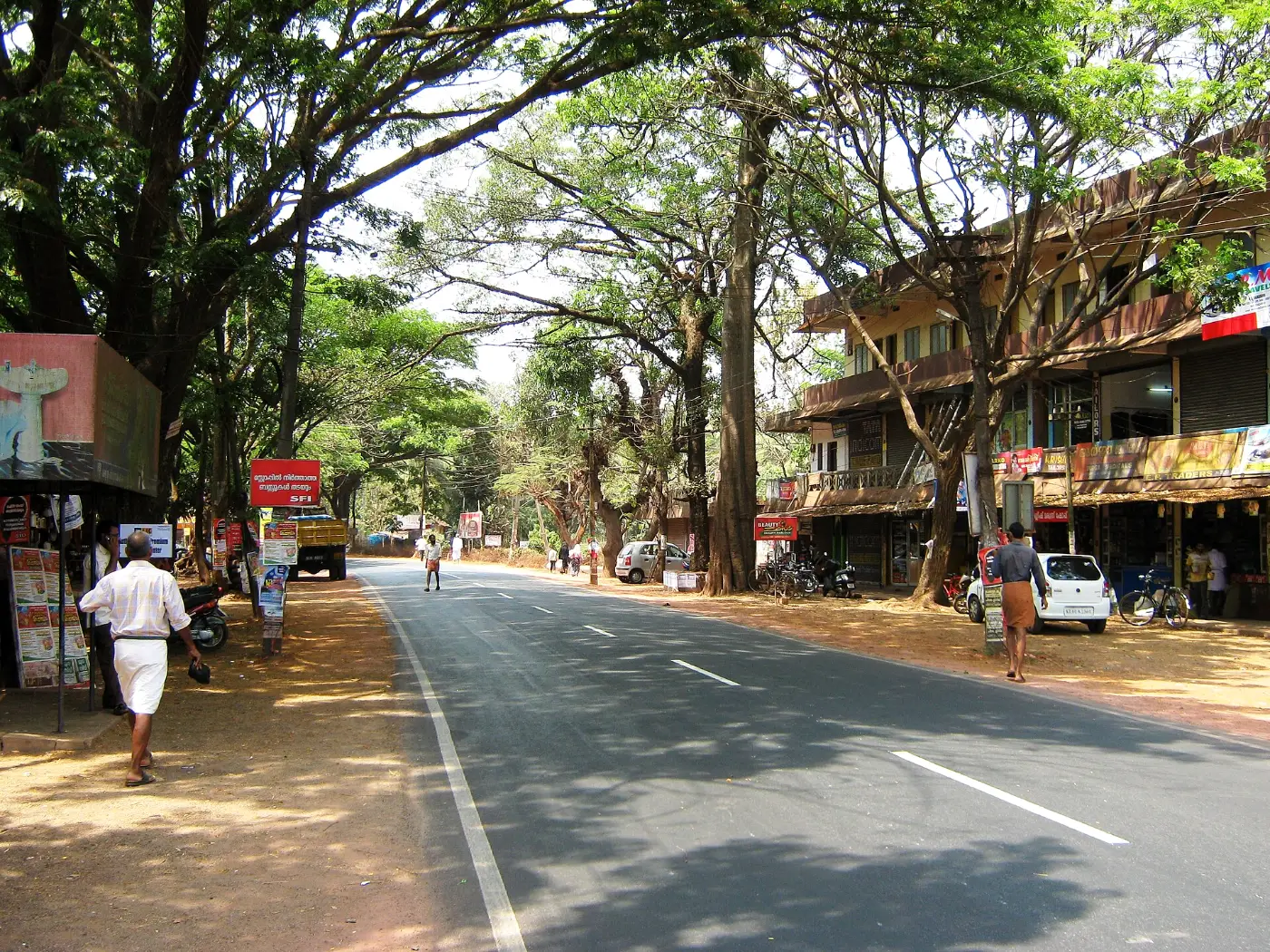
Very little marks the salt site itself. In 2021 local reporters found Uliyath Kadavu neglected, and residents and old freedom fighters asked for it to be protected. The old British police station in Payyanur, where the volunteers are remembered as having been beaten, is a protected monument, and the Kerala government plans a Gandhi Smriti museum there, with records of the satyagraha, the list of marchers and a copy of the police first information report.
Our assessment: a place that deserves a marker
Dandi has a national memorial; Uliyath Kadavu has, at best, a neglected landing.
A simple, well-researched memorial at the salt site, and the Gandhi Smriti museum at the old police station, would give Kerala's part in the Salt Satyagraha the place it deserves.
What is proven, and what is not
Fact, tradition and uncertainty
- Documented: Kelappan led a salt march from Kozhikode to Payyanur in April 1930, leaving on 13 April and arriving on 21 April.
- Most accounts: salt was made on 23 April; others give 21 or 22 April.
- Most accounts: the marchers numbered 32; one account gives 33, perhaps counting Kelappan.
- Most accounts: the salt was made at Uliyath Kadavu; one account places it at Poochal beach, Ramanthali.
- Documented: the camp was raided, volunteers were beaten and Kelappan was arrested.
- Widely reported: the Bombay Chronicle called Payyanur a ‘Second Bardoli’. We have not seen the original issue.
- Approximate: about 500 people were jailed in Kerala's salt campaign. The figure is repeated in secondary sources; we have found no primary count.
Visiting notes
- Payyanur: about 40 km north of Kannur, on the main railway line. Ask locally for Uliyath Kadavu, the salt satyagraha site on the backwaters.
- The old police station: a protected monument in the town, planned as the Gandhi Smriti museum; check whether it has opened before you go.
- Swami Anandatheertha's ashram: where Gandhi stayed in 1934, with the mango tree he planted.
- Thalassery: Jawahar Ghat behind the fort, a rallying place of the freedom movement, where the marchers were welcomed.
- Kozhikode: the Thali temple, where the march began.
- Combine with: Payyanur's Subrahmanya temple, the Kavvayi backwaters and islands, and the theyyam season from November to May.
- From Munnar: Payyanur is roughly ten hours by road; better reached by train from Kochi.
Read also: The Vaikom Satyagraha · Thalassery · Kannur · Kozhikode
See it for yourself, with a local driver who knows these roads.
Book a Munnar Jeep SafariSources & further reading
- ETV Bharat: Kerala owes this remote land for its glory in freedom struggle (December 2021)
- Rajmohan Unnithan, 'Payyanur's Gandhi connection', The Hindu
- Kannur district administration: history
- Kerala Tourism: Payyanur
- Kerala Tourism: Jawahar Ghat, Thalassery
- Lok Sabha: Mahatma Gandhi Smriti Museum at the old British police station, Payyanur (2022)
- Onmanorama: K. Kelappan and the freedom movement (2018)
- Organiser: Kerala Governor flags off Salt March Memorial Yathra (April 2022)
- Wikipedia: Amsi Narayanapilla
- Wikipedia: Salt March
- Wikipedia: Vedaranyam March
Figures are from the sources listed and were checked in November 2026. Park timings and road conditions change, so please confirm before you travel.