
From the Plains to the Hills: The Settlers Who Made Idukki
In the 1940s and 1950s, thousands of farming families walked up from the plains of Travancore into the forests of the high ranges with seed paddy, a few tools and enormous hope. The story of the kudiyettam, the migration that made Adimali, Kattappana and the villages of Idukki, told through its laws, its hardships and the memories of those who lived it.
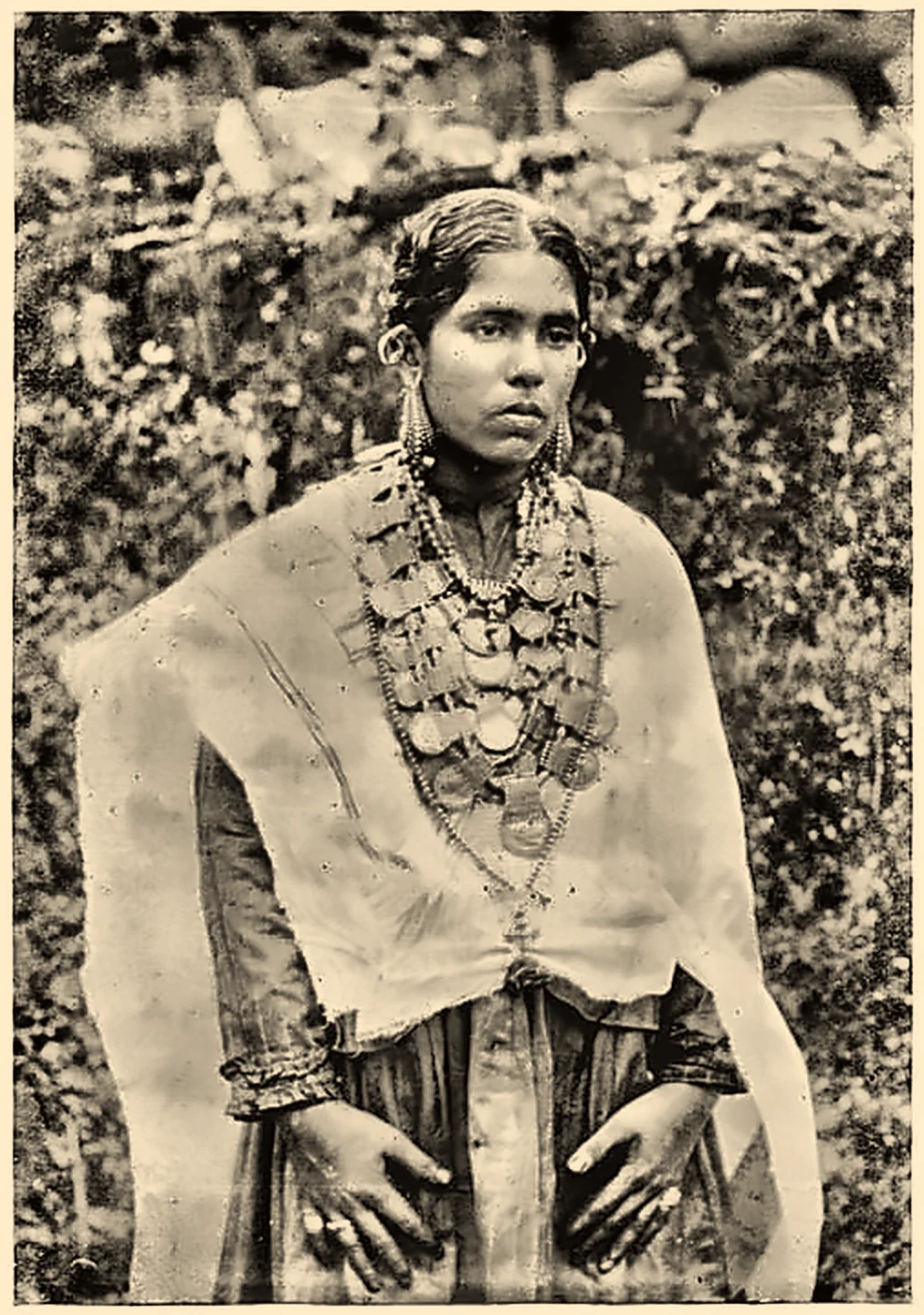
Ask almost anyone in Adimali, Kattappana, Nedumkandam or Rajakkad where their family comes from, and the answer will often be a place far below the hills: Pala, Kanjirappally, Thodupuzha, Kothamangalam, Muvattupuzha. Their grandparents, sometimes their parents, walked up into the forests of the high ranges with a sack of seed paddy, a few iron tools and the promise of land. They cleared, planted, fell ill, buried children, fought elephants and the government, and in a single lifetime turned a wilderness into the towns and farms of Idukki. In Malayalam this great movement is simply called the kudiyettam, "the settling".
At a glance
- When: mainly from the late 1930s to the 1970s, peaking after 1946.
- Who: farming families from central Travancore, a large share of them Syrian Christians from the Kottayam, Pala, Thodupuzha, Kothamangalam and Muvattupuzha areas, along with Ezhava, Nair and other families, and Tamil workers who had come earlier to the estates.
- Why: wartime food shortages, land hunger on the plains, and government schemes that opened forest land for cultivation.
- Scale: by 1951, about 70,000 people had moved into the high ranges; between 1901 and 1971 the population of the area that became Idukki grew about sixteen-fold.
- Legacy: the towns, churches, schools and spice farms of Idukki, and land disputes that are still not settled.
Before the settlers
The high ranges were never empty. The Muthuvan, Mannan, Malayarayar, Urali and other hill peoples had lived in these forests for centuries, moving their fields in a cycle and paying tribute to the Rajas of Poonjar, who claimed the hills from Peermade to Devikulam. Adimali itself was once known as Mannankandam, after the Mannan people; the panchayat's history says the name Adimali comes from the Mannan language and means "the place where water falls". (Read about the tribal communities of Munnar.)
The first great change came with the planters. In 1877 the Raja of Poonjar leased the Kannan Devan hills to the British planter John Daniel Munro, and tea, coffee and cardamom estates followed, worked mostly by labourers from Tamil Nadu. (Read the history of Munnar.) A local story, recorded by the district administration, says that Maharaja Sree Moolam Thirunal, visiting the works at Mullaperiyar, was given milk by a shepherd named Ankur Rauther and rewarded him with forest land, which his descendants later sold to Tamil landowners. Legend or not, it captures how the high ranges were handed out, piece by piece, long before the farmers came.
Hunger opens the forest
The real trigger was hunger. Travancore had always imported much of its rice, and the Second World War cut off supplies from Burma. Faced with famine, the government did something new: it opened forest land for food.
- 1938: about 950 acres were allotted for paddy at Kalthotty, Chakkupallam and Anakkara.
- 1940: a proclamation encouraged paddy cultivation on forest land under kuthakapattam, a short-term lease giving a cultivator up to about five acres.
- 1942: wet land, dry land, grassland and forest were assigned to associations, cooperatives and farmers, including wet land around Devikulam and Peermade and 24,000 acres of grassland above 2,000 ft.
- 1946: forest land was allotted to some 2,000 people.
- 1949: the Grow More Food scheme gave thousands of acres more to farmers, and in 1951 another 1,500 acres went to 1,000 people. Colonies were also set up for ex-servicemen.
In Mannankandam, according to the panchayat's own history, about 3,000 acres had already been auctioned in 1933–35, and the first paddy, a virippu crop, was sown in March 1934. From 1946 the settlers came in earnest, many as tenants and labourers on lands leased under the Grow More Food programme.
Later governments turned the trickle into planned colonies. Systematic colonisation began under the ministry of Pattom A. Thanu Pillai, and the Kallar Pattom colony in Udumbanchola taluk is named after him. In the 1960s and 1970s, the construction of the Idukki arch dam drew thousands more workers into the hills.
The long walk up
In 2024 the Kerala Museum recorded the memories of the last people who made the journey, and their stories are unforgettable. There were no roads into much of the forest, only footpaths. Families travelled in groups of eight or ten, often barefoot, carrying children, rice and tools on their heads. One settler remembered a single bus to the edge of the forest, and then a long walk with the children in arms. Another, who arrived in 1960 aged twelve, remembered walks of three or four hours just to visit the family she had left behind. Many entered the hills through Upputhara, which became a gateway to the high ranges, and news of land spread from parish to parish through the Sunday gatherings at church.
The first homes were shelters of grass and bamboo. Because wild elephants roamed the clearings at night, some families built huts high in the trees, reached by bamboo ladders. One family in Adimali lived first in a hay hut, then in an abandoned lemongrass distillery shed, and only later built a house of mud. Paily Kuriakose, who came to Adimali around 1940 and lived to 105, remembered a land of bamboo thickets and wild elephants, and helped to build its first church, school and hospital with his own hands.
Malaria, elephants and the jungle
The forest fought back. Malaria was the great killer of the early years, along with cholera and smallpox, and there were no doctors for days in any direction. Settlers remembered remedies such as a jungle root wrapped in jaggery. Wild elephants trampled the paddy, wild boar dug up the tapioca, and cobras lived in the thatch. Crops failed in the first seasons, and many families gave up and went home.
Those who stayed learned to farm the hills. They planted paddy in the valley floors, tapioca and ginger on the slopes, and, above all, lemongrass, which grew easily on cleared land and was distilled for its oil; from the 1920s to the 1960s it was one of the most profitable crops of the hills. In time, pepper, cardamom, coffee, rubber and coconut took over, and the mixed hillside farm, with every tree carrying a crop, became the signature of Idukki. (Read about the spices of Idukki.)
Roads, buses and towns
Settlement followed the roads. The old royal road from the plains to Munnar, built in the time of Rani Lakshmi Bayi and later part of the national highway, carried settlers to Adimali, while new roads opened Rajakkad, Kattappana and Nedumkandam. Adimali's old-timers still remember the first private bus, called "Lilly", and a fare from Kothamangalam of a rupee and a half. Around the bus stops and churches grew markets, schools and hospitals. Mannankandam became a panchayat in 1960, and later took the name of its growing town, Adimali. In 1972, the new district of Idukki was formed, with its headquarters in the hills the settlers had made. (Read about the Neriamangalam bridge, the gateway to the high ranges.)
Eviction and struggle
Land given in haste could be taken back in haste. Many settlers held only short leases, or nothing on paper at all, and the line between "colonist" and "encroacher" depended on who was in power. The most famous confrontation came in 1961. To make way for the Idukki hydroelectric project, about 1,600 people were evicted from their farms at Ayyappancoil and moved to Amaravathi, then little more than forest, where disease and poverty followed. On 6 June 1961 the communist leader A. K. Gopalan, then leader of the opposition in the Lok Sabha, began a fast at Amaravathi, joined by the priest Fr. Joseph Vadakkan. The protest drew national attention, and on 9 June Chief Minister Pattom Thanu Pillai agreed to meet AKG and promised rehabilitation. (Read about Ayyappancoil and the Idukki dams.)
Questions over title deeds, forest boundaries and "encroachment" have never fully gone away, and they still shape politics in Idukki today. (Read about the long struggle over land in Munnar.)
The other side of the story
The kudiyettam is remembered as an epic of courage, and it was. But it was also a story of loss for the hill peoples who were there first. As farmland and plantations spread, the Mannan, Muthuvan and other communities lost forests they had used for generations, and many were pushed into small colonies with uncertain land rights. The forest itself shrank: elephant corridors were cut, and much of today's conflict between people and wildlife has its roots in the clearings of those decades. (Read about people and wildlife in Munnar.)
What the settlers left
Drive through Idukki today and the settlers' story is everywhere: in the great churches on the hilltops, the schools and colleges founded by parishes, the cooperative banks, the cardamom and pepper farms, and the accents of central Travancore spoken in the hills. The pioneers are almost gone now, and their children remember the hardship as a kind of inheritance. As one settler from Cheruthoni put it, "every migration was a gruelling experience", and yet it built a district.
A note on the sources
- Dates and figures for land allotments come from the Idukki district administration and the Kerala Museum's oral history project. Personal memories are as told by settlers in 2024 and are not independently verified.
- The milk-and-land story of Ankur Rauther is a local tradition recorded by the district administration.
(Read also the history of Munnar, the tribal communities of Munnar and the Sree Moolam Club of Devikulam.)
See it for yourself, with a local driver who knows these roads.
Book a Munnar Jeep SafariSources & further reading
- Kerala Museum: Oral History of the Mid-twentieth-century Migration to Highland Kerala (2024)
- Kerala Museum: Highland migration to Idukki in the mid-twentieth century
- Idukki district administration: History
- Idukki district portal: Migration
- Adimali Grama Panchayat: History
- Amaravathi satyagraha, 1961 (account on its 50th anniversary)
- Onmanorama (2018): How the original inhabitants of Idukki were displaced
- Thurston, Castes and Tribes of Southern India (1909), via Wikimedia Commons
Figures are from the sources listed and were checked in October 2026. Park timings and road conditions change, so please confirm before you travel.