
The Story of Tea: How One Leaf Conquered the World
From a legend about a Chinese emperor to the chaya shops of Kerala, tea has shaped religions, started wars, built empires and crossed every ocean. A deep history of tea, its names, its ceremonies and its politics, from Lu Yu and Sen no Rikyū to the Boston Tea Party, the Opium Wars and the ration books of the Second World War.
After water, tea is often said to be the most widely drunk beverage on earth. Billions of cups are poured every day: from a glass of sweet milky chaya at a roadside shop in Adimali to a bowl of whisked green matcha in a Kyoto tea room, from a tulip-shaped glass of Turkish çay to a mug of builder's tea on a London building site. All of it comes from one plant, Camellia sinensis. How that one plant travelled from the misty hills where China, India and Myanmar meet to every corner of the world is one of the great stories of human history. It is a story of monks and emperors, of art and religion, but also of smuggling, war, empire and hard labour.
This is the first of three linked articles. Here we follow tea's history and culture. In Inside the Cup we look at the plant, how tea is made, the world trade, tea tasters, blends, brands, tea bags and instant tea. And in How to Make the Perfect Cup we show how to brew every kind of tea, with the health facts.
Where tea began
The tea plant is native to the forested hills of south-western China, especially Yunnan, and the neighbouring borderlands of north-east India, northern Myanmar and Laos. The people of these hills, ancestors of groups such as the Bulang, Dai and Singpho, probably used the leaves long before anyone wrote about them: chewed, cooked as a vegetable, or pickled. That last habit survives in Myanmar's lahpet, a salad of fermented tea leaves still eaten today.
The legend of Shennong
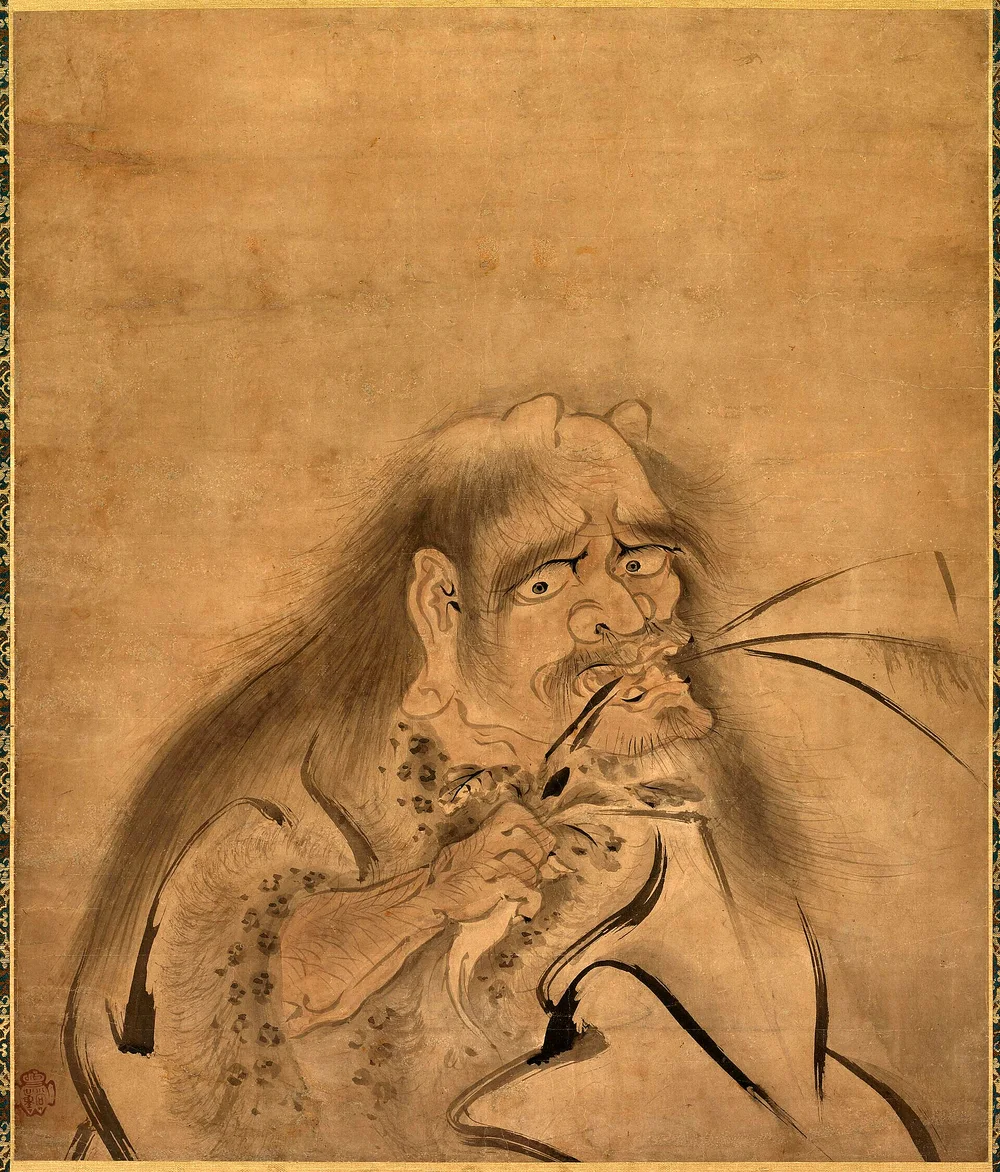
Chinese tradition gives tea a more romantic birth. The legendary emperor Shennong, the "Divine Farmer" who taught people agriculture and herbal medicine, is said to have been boiling water under a tree in 2737 BCE when a few leaves drifted into his pot. He tasted the brew and found it refreshing. Another version says he tested hundreds of herbs on himself and used tea as an antidote to poisons. These stories are myth, written down many centuries later, but they show how early the Chinese linked tea with health.
What the archaeology says
Hard evidence is more recent but still very old:
- In 2016, scientists identified tea leaves among the grave goods in the tomb of the Han emperor Jing (died 141 BCE), near Xi'an.
- In 2021, researchers reported charred tea residue in a bowl from a tomb at Zoucheng in Shandong, dating to the Warring States period, about 2,400 years ago. It is the oldest physical evidence of tea drinking yet found.
- One of the earliest written references to buying and preparing tea appears in a humorous Han-dynasty contract for a servant, Wang Bao's Tong Yue of 59 BCE.
China: from medicine to art
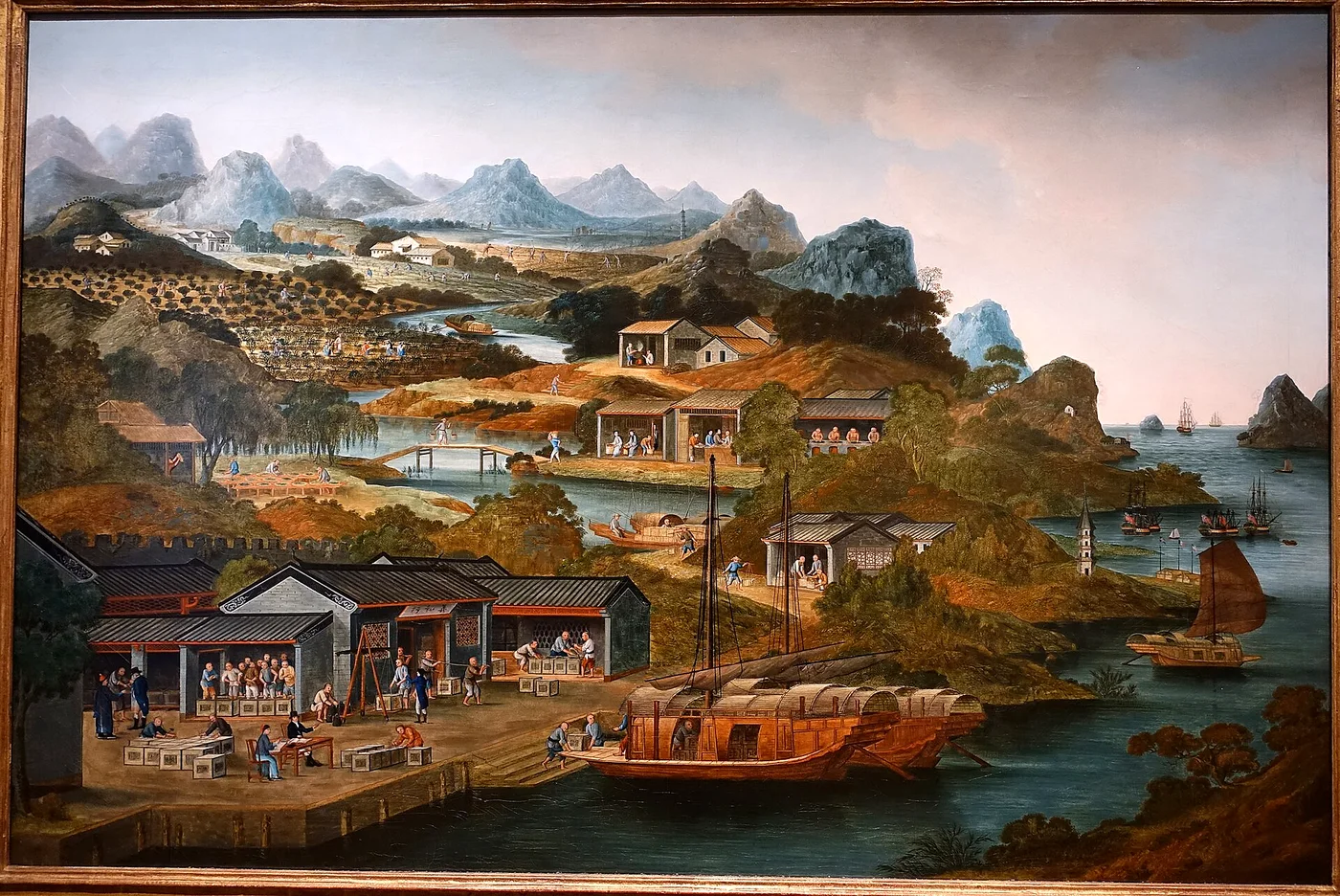
For centuries tea was a medicine and a regional drink of the south-west. It became China's national drink during the Tang dynasty (618–907). Leaves were steamed, pounded and pressed into cakes, which were roasted, ground and boiled with salt.
Around 760–780 CE, a scholar named Lu Yu, an orphan raised in a Buddhist monastery, wrote the Cha Jing, "The Classic of Tea", the first book in the world devoted entirely to tea. It describes the plant, the tools, the best waters and the right way to brew and drink. Lu Yu turned tea into a discipline of taste and calm, and he is still honoured in China as the "Sage of Tea".
Under the Song dynasty (960–1279) fashion changed. Tea was ground to a fine powder and whisked into a froth in dark glazed bowls. Scholars held "tea contests" (doucha) judging the whiteness and lasting quality of the foam, and Emperor Huizong himself wrote a treatise on tea in 1107. In 1391 the first Ming emperor ordered that tribute tea be sent as loose leaves rather than pressed cakes, and steeping whole leaves in hot water, the way most of the world drinks tea today, became the norm. The teapot, including the famous unglazed clay pots of Yixing, belongs to this Ming revolution.
The Tea Horse Road
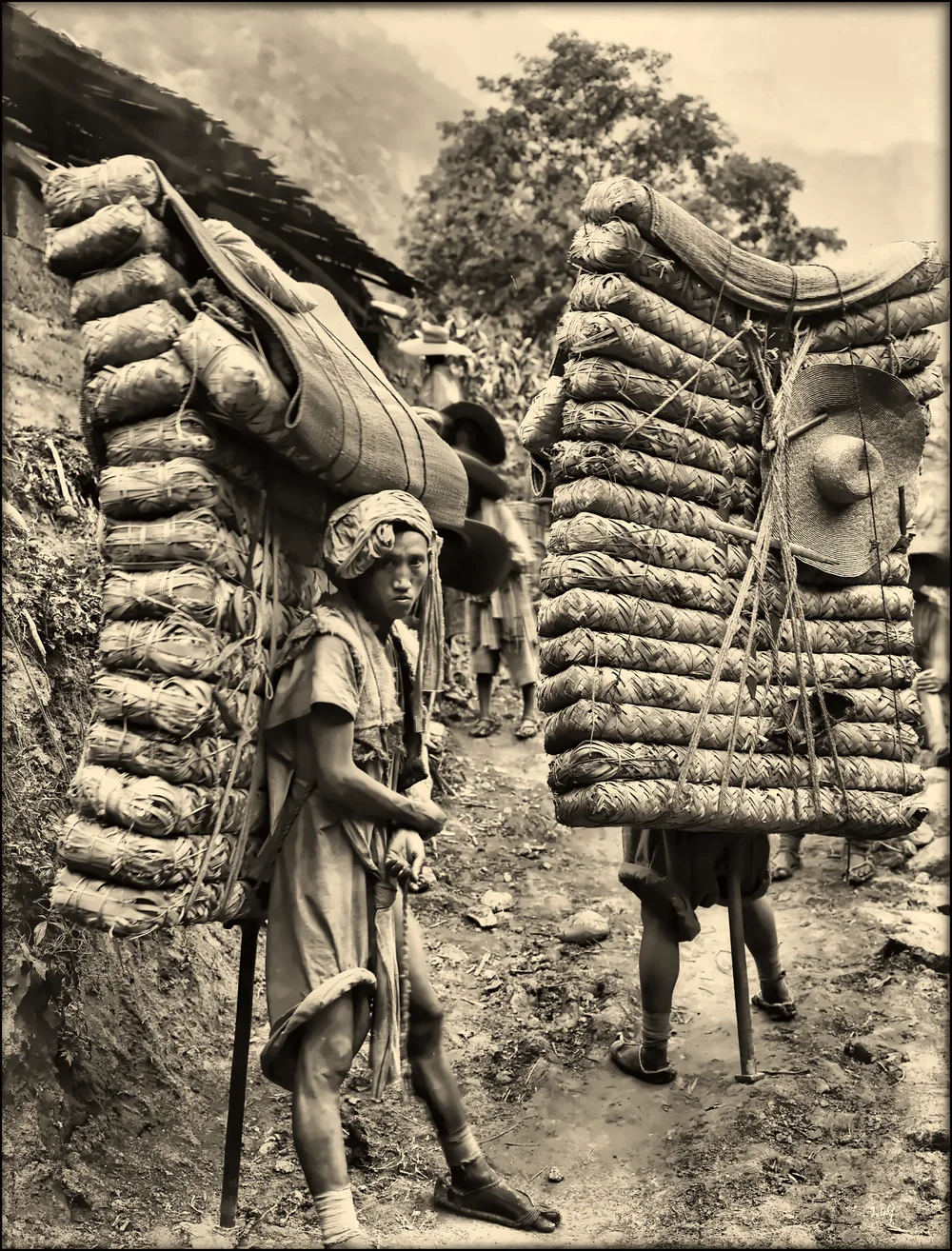
Tea was also a strategic commodity. The Chinese state needed horses for its armies, and the people of the Tibetan plateau, living on meat, milk and barley, prized tea. For about a thousand years, from the Tang and Song dynasties into the twentieth century, an official tea-for-horses trade ran along mountain trails linking Yunnan and Sichuan to Lhasa, now remembered as the Chamagudao, the Ancient Tea Horse Road. Tea travelled as hard-pressed bricks, carried by mule caravans and by human porters with crushing loads.
Tea and religion
Tea and Buddhism grew up together. Monks valued a drink that kept them alert through long hours of meditation without the dulling effect of alcohol, and monasteries planted tea gardens across China. A Japanese and Chinese legend even says that the first tea bushes sprang from the eyelids of Bodhidharma, the founder of Zen, who cut them off in anger after falling asleep during meditation. In Daoist thought tea was linked to longevity and harmony with nature.
Other faiths took to it in their own ways. In the Islamic world, where wine is forbidden, tea and coffee became the great drinks of hospitality, from Iran and Afghanistan to Morocco. In nineteenth-century Britain, the Christian temperance movement promoted tea as the respectable alternative to gin and beer, organising huge "tea meetings". (The word "teetotal" is often thought to come from tea, but it does not: it is usually traced to a temperance speaker in Preston in 1833 who stressed "t-total" abstinence.) And not every faith embraced it: members of the Church of Jesus Christ of Latter-day Saints avoid tea, following an 1833 health code that counsels against "hot drinks".
Japan and the way of tea
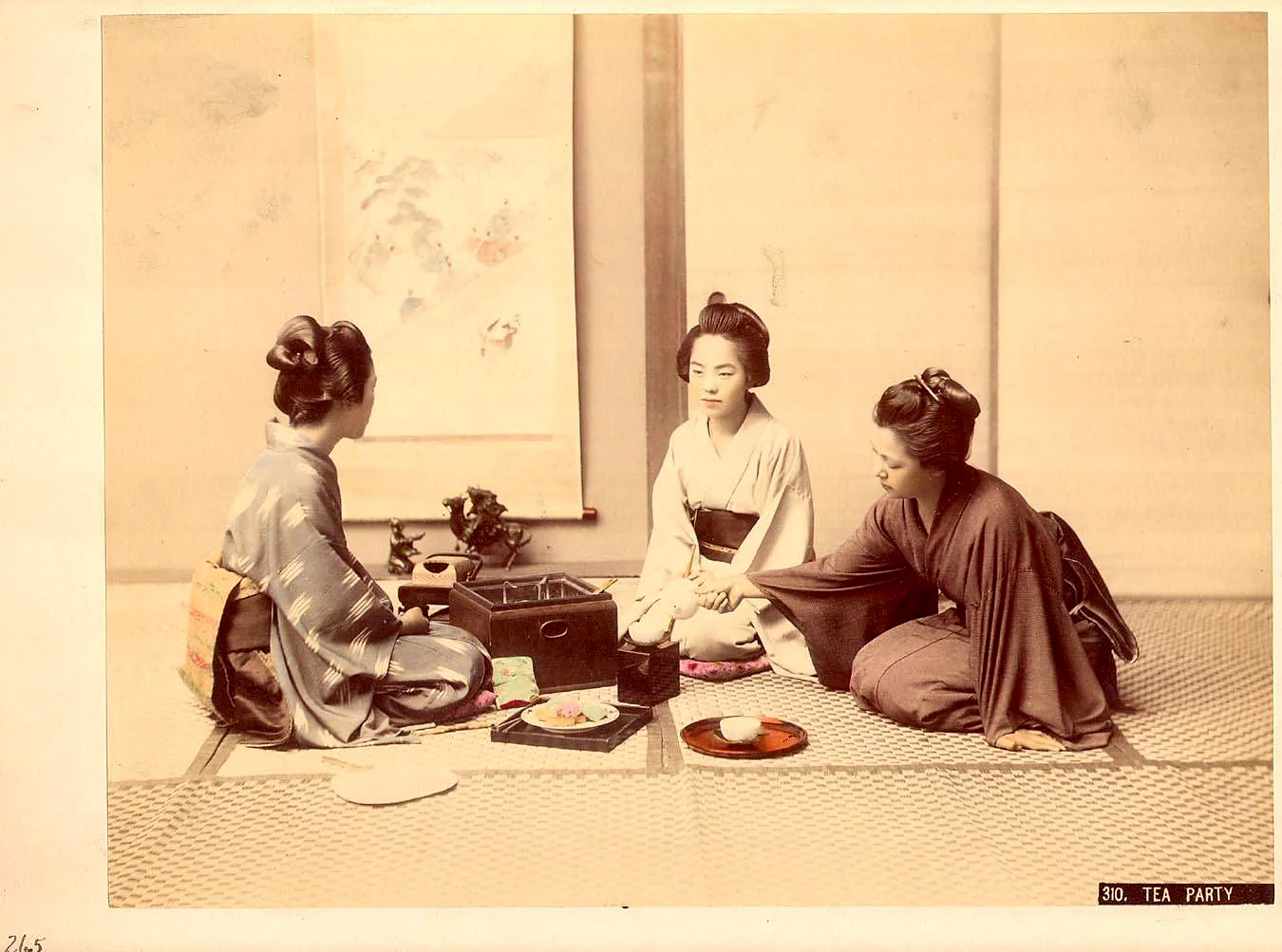
Buddhist monks carried tea to Japan in the early ninth century, but it took root with the Zen monk Eisai, who returned from China in 1191 with seeds and the Song custom of whisked powdered tea. In 1211 he wrote Kissa Yōjōki, "Drinking Tea for Health". Powdered green tea, today called matcha, became the drink of Zen temples and then of the warrior class.
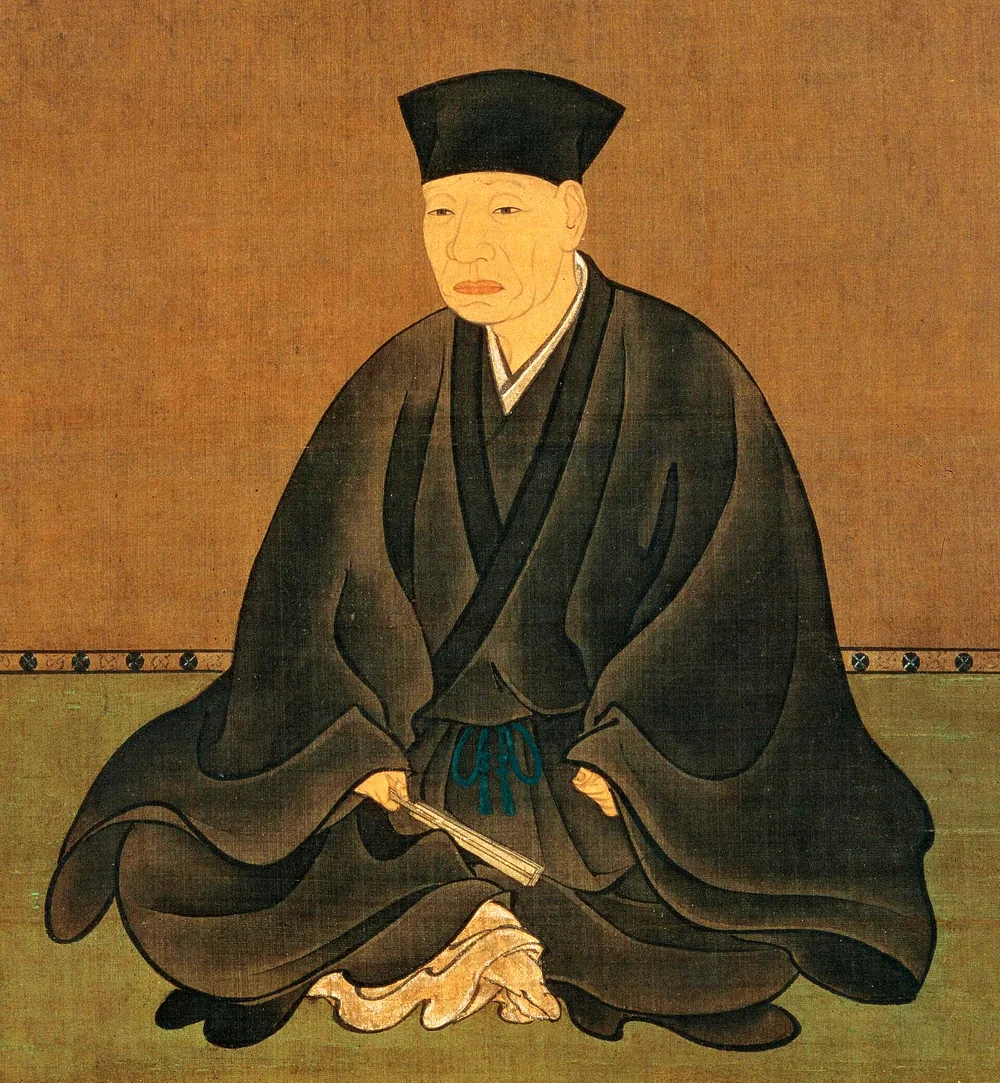
Over the following centuries the tea gathering became an art form: chanoyu or sadō, "the way of tea". The tea master Sen no Rikyū (1522–1591) brought it to its classic form. He favoured tiny, rustic tea huts, plain rough-glazed bowls and quiet simplicity, the aesthetic called wabi. His principles are summed up in four words: wa (harmony), kei (respect), sei (purity) and jaku (tranquillity). Rikyū served the warlord Toyotomi Hideyoshi, who for reasons still debated ordered him to commit ritual suicide in 1591. His descendants founded the tea schools that still teach the ceremony today.
A formal tea ceremony can last several hours, with a meal, thick tea (koicha) and thin tea (usucha). Every movement, from folding the silk cloth to turning the bowl so that its finest side faces the guest, is prescribed. The idea behind it is often expressed as ichi-go ichi-e, "one time, one meeting": this gathering will never happen again, so give it your full attention.
How tea reached the West
Portuguese traders and Jesuit missionaries met tea in China and Japan in the sixteenth century, but it was the Dutch who first shipped it to Europe as a commodity, from about 1610. By the 1650s it was being sold in London coffee houses as an exotic remedy. On 25 September 1660 the diarist Samuel Pepys recorded that he "did send for a cup of tee (a China drink) of which I never had drank before".
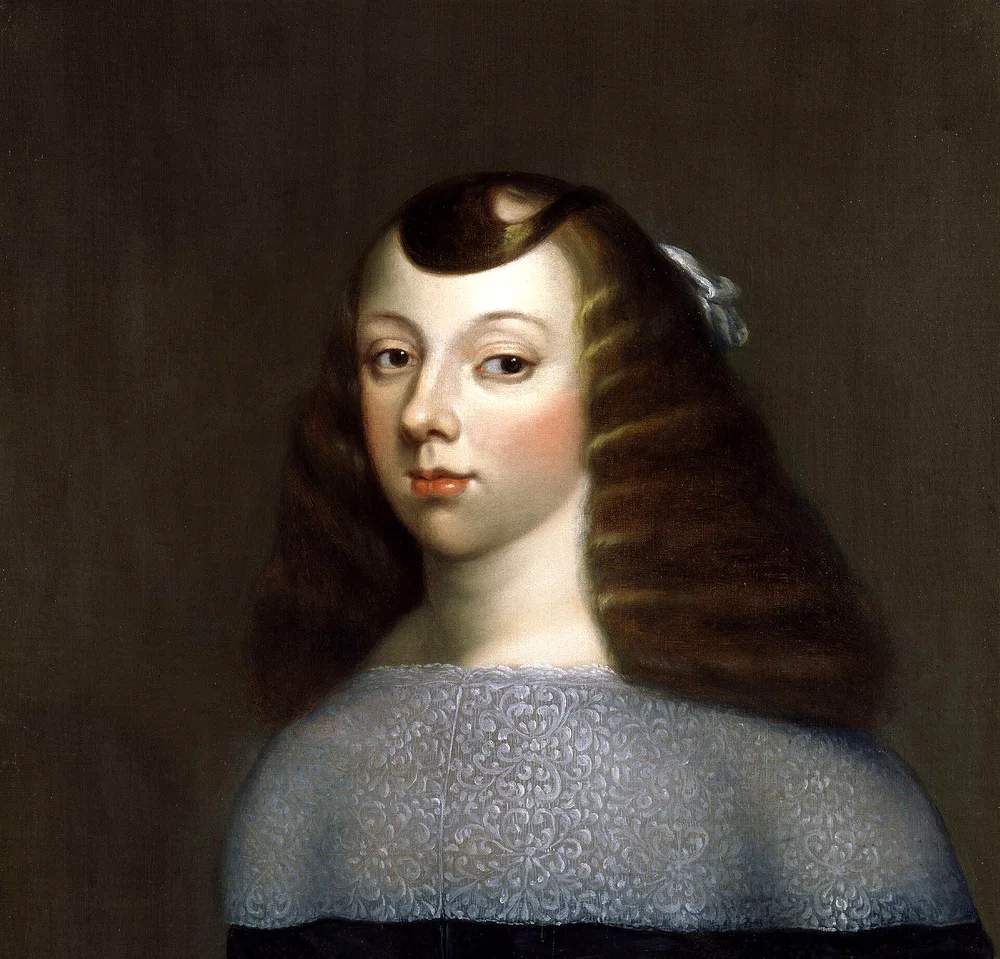
Its rise in England owed much to a queen. Catherine of Braganza, the Portuguese princess who married Charles II in 1662, was already a tea drinker, and the court followed her example. Tea was taxed heavily, and for a century much of it was smuggled. When the Commutation Act of 1784 cut the duty from about 119% to 12.5%, smuggling collapsed almost overnight and tea became the drink of every class. Thomas Twining's shop in London's Strand, opened in 1706, still trades from the same address.
In the 1840s, Anna Russell, Duchess of Bedford, is said to have begun taking tea and cakes in the late afternoon to bridge the long gap between lunch and a late dinner. "Afternoon tea", with its sandwiches, scones and fine china, became a fixture of British social life. Workers, meanwhile, had their own strong, sweet, milky "high tea" with a hot meal after the day's work.
Cha or te? The names of tea
Almost every word for tea in the world comes from just two Chinese pronunciations of the same character, 茶. The route by which tea arrived decided which one a language adopted:
- "Te" is the word in the Min Nan (Hokkien) dialect of the coastal port of Amoy (Xiamen). The Dutch bought their tea there by sea and spread this word across Europe: English tea, French thé, German Tee, Spanish té, Dutch thee, Italian tè, and also Malay and Indonesian teh.
- "Cha" is the word in Mandarin and Cantonese. It travelled overland along the Silk Roads and by sea with the Portuguese, who traded from Macau: Portuguese chá, Persian and Hindi chai, Russian chai, Turkish çay, Arabic shai, Swahili chai, Japanese and Korean cha.
Kerala sits at the crossroads. In Malayalam tea is chaya, clearly from the "cha" family, while the tea leaf is theyila. In Tamil, the drink is thēnīr, often explained as "tea water". A few languages went their own way: Polish herbata and Lithuanian arbata come from the Latin herba thea, "tea herb", and Burmese lahpet is a word of its own. In English the word was once pronounced "tay": Alexander Pope rhymed it with "obey" in The Rape of the Lock (1712): "Here thou, great Anna! whom three realms obey, / Dost sometimes counsel take, and sometimes tea."
| Language | Word | Family |
|---|---|---|
| Mandarin / Cantonese | chá / chàh | cha |
| Hokkien (Amoy) | tê | te |
| Malayalam | chaya | cha |
| Hindi / Urdu | chai | cha |
| Tamil | thēnīr | te |
| Russian | chai | cha |
| Turkish | çay | cha |
| Arabic | shāy | cha |
| Japanese / Korean | cha | cha |
| English / French / German | tea / thé / Tee | te |
| Malay / Indonesian | teh | te |
| Polish | herbata | Latin herba thea |
The Boston Tea Party
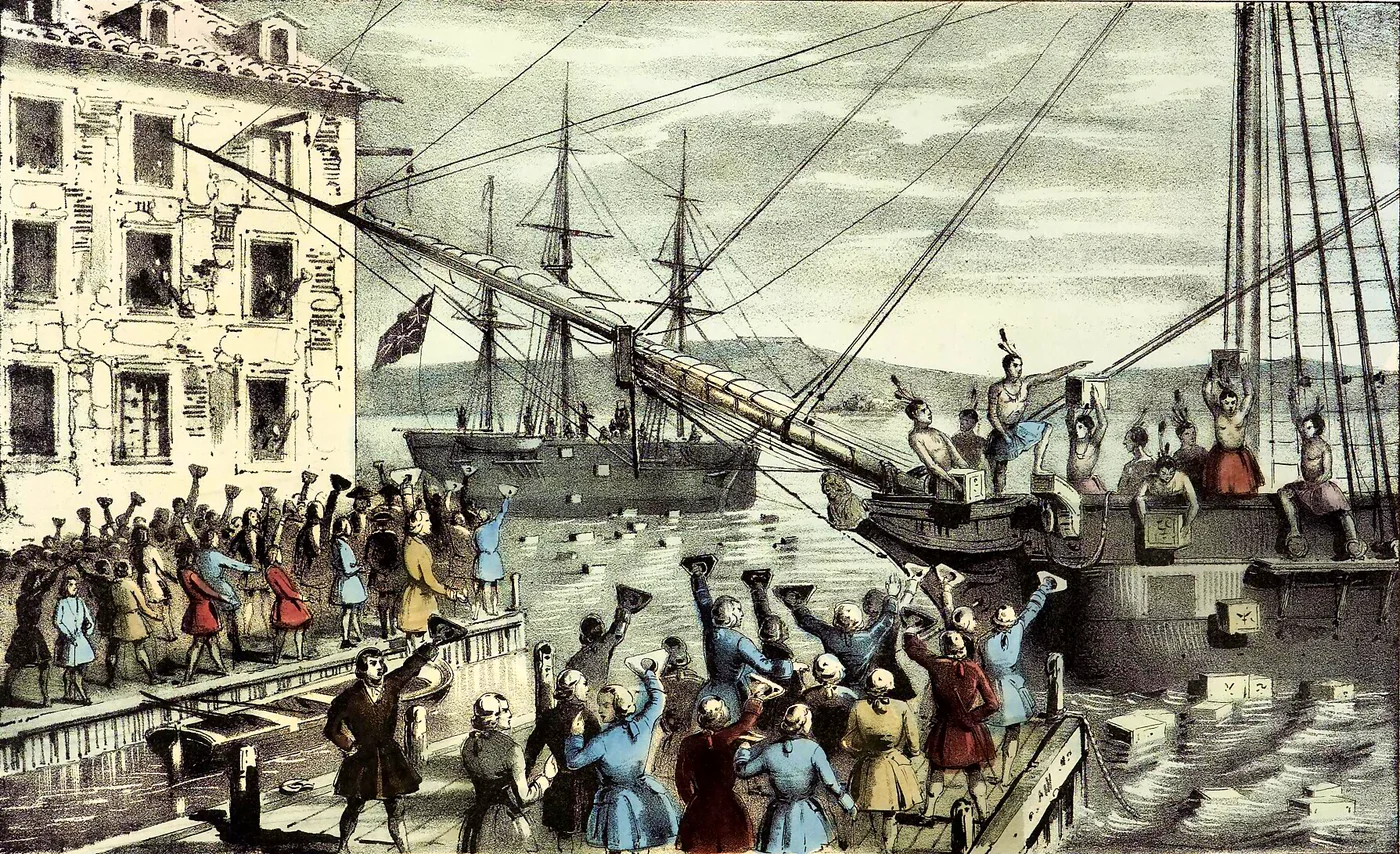
Tea helped to create the United States. By the 1770s, the American colonists drank a great deal of it, and Britain's Parliament used it to assert its right to tax them. In May 1773, the Tea Act allowed the struggling East India Company to sell tea directly to the colonies, cheaply, but still carrying a small tax that the colonists had not voted for. To many Americans, accepting it meant accepting "taxation without representation".
On the night of 16 December 1773, a group of Bostonians, many loosely disguised as Mohawk Indians, boarded three ships, the Dartmouth, Eleanor and Beaver, and threw 342 chests of East India Company tea into Boston Harbour. Britain responded with the punitive "Intolerable Acts" of 1774, closing the port of Boston, and within two years the colonies were at war. Similar "tea parties" followed in other ports, and in Edenton, North Carolina, fifty-one women signed a public pledge in 1774 to boycott British tea, one of the earliest organised political actions by women in America. For many Americans, coffee became the patriotic drink, and it still dominates there today.
Tea, silver and opium
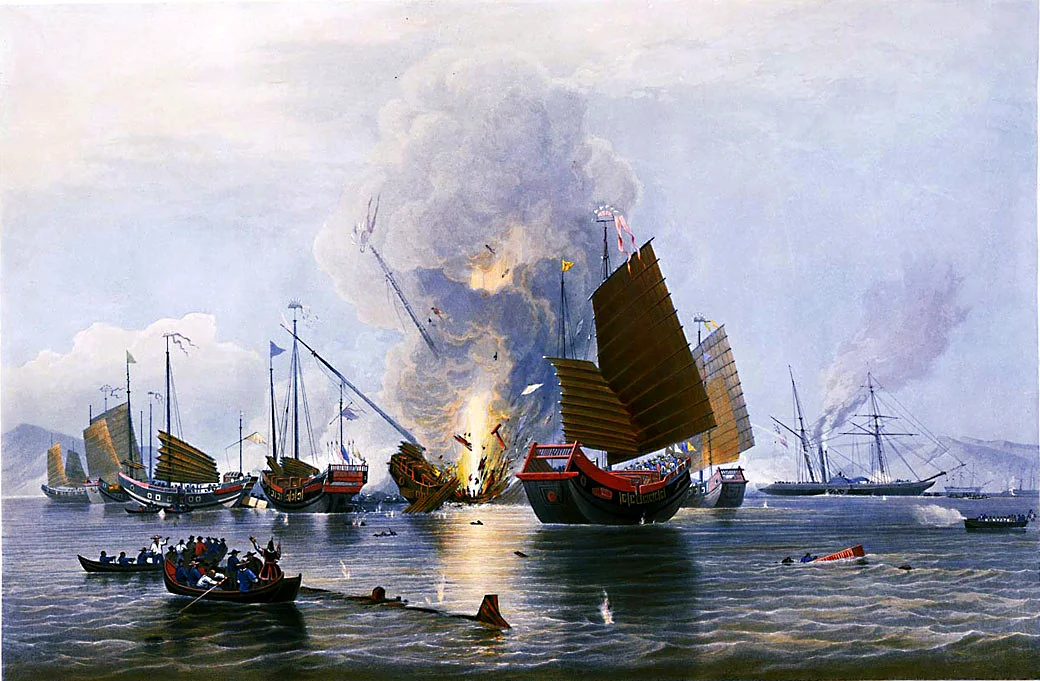
By the early nineteenth century, Britain was importing enormous quantities of Chinese tea, and the tax on it was a major source of government revenue. But China wanted little that Britain made and demanded payment in silver. To stop the drain of silver, the East India Company grew opium in Bengal and sold it, through private traders, to smugglers on the China coast. The silver earned paid for the tea.
When the Chinese commissioner Lin Zexu seized and destroyed some 20,000 chests of opium at Canton in 1839, Britain went to war. The First Opium War (1839–1842) ended with the Treaty of Nanking, which opened Chinese ports to foreign trade and handed Hong Kong to Britain. A second war followed in 1856–1860. Chinese historians count these wars as the beginning of a "century of humiliation". It is sobering to remember that a cup of tea in Victorian England was, in part, paid for by opium.
Stealing the secret: India and Ceylon
Dependence on China worried the British. In 1823 a Scottish adventurer, Robert Bruce, was shown wild tea growing in Assam by a chief of the Singpho people, who had long brewed it. After years of doubt and experiments, the first twelve chests of Assam tea reached London and were auctioned in January 1839, and the Assam Company, the first of the great tea companies, was formed that year.
At the same time, the East India Company sent the Scottish botanist Robert Fortune into China's tea districts in 1848, disguised in Chinese dress, to collect plants and seeds and learn the secrets of manufacture. He shipped thousands of seedlings to the Himalayas in sealed glass "Wardian cases" and brought Chinese tea makers with him. Among his discoveries: green tea and black tea come from the same plant, made differently. Many of the China plants failed, but they helped to found the tea gardens of Darjeeling.
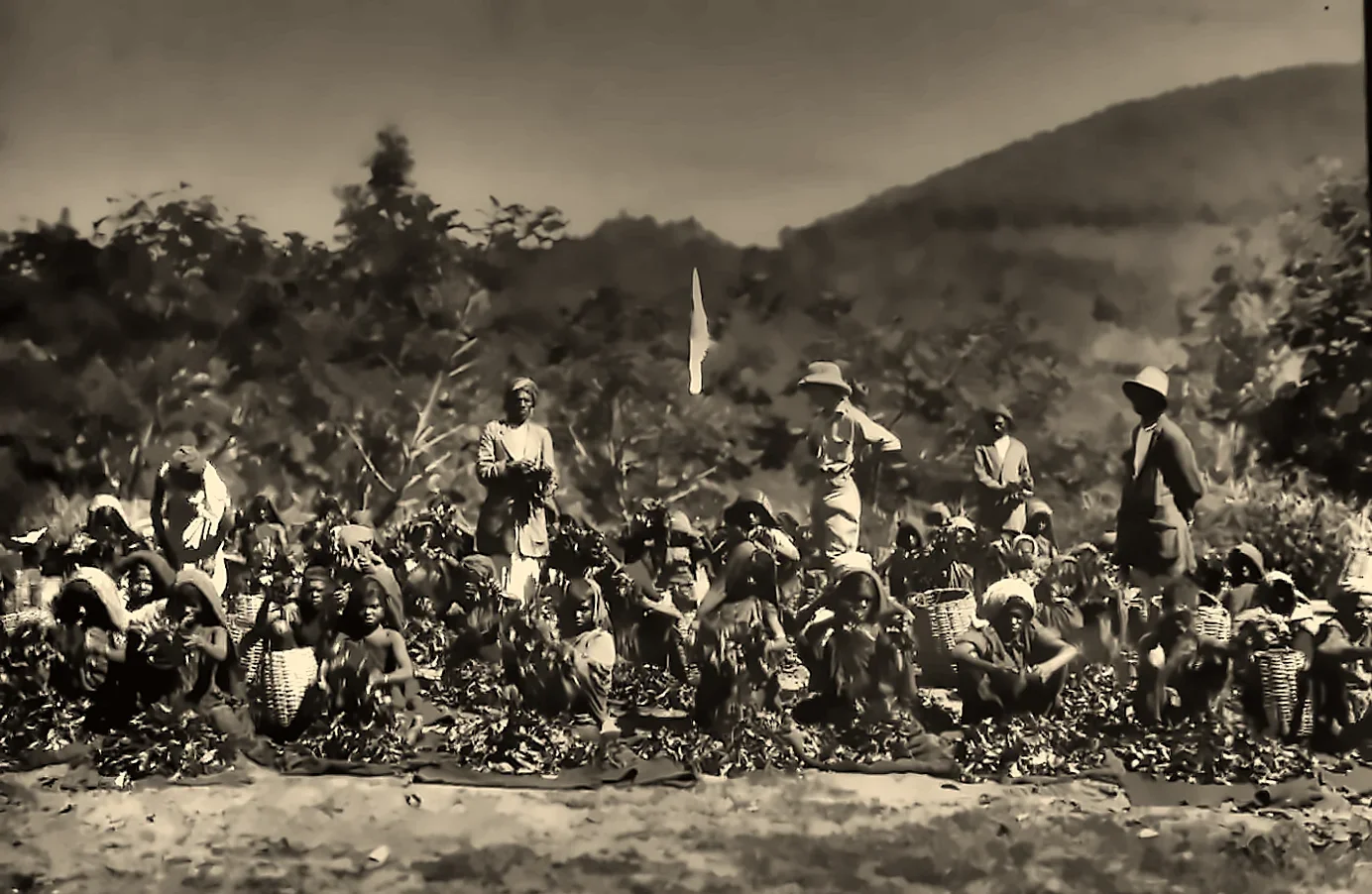
The new industry was built on hard, often cruel labour. Hundreds of thousands of workers were recruited from Chotanagpur, Odisha and elsewhere under indenture contracts and taken to the Assam gardens, where disease and harsh discipline killed many. In Ceylon, the coffee estates were wiped out by a leaf-rust fungus from 1869, and planters such as James Taylor at Loolecondera (from 1867) turned to tea, worked by Tamil labourers brought from South India. In 1890 the Glasgow grocer Thomas Lipton bought estates there and sold Ceylon tea "direct from the tea garden to the tea pot", making it a household name.
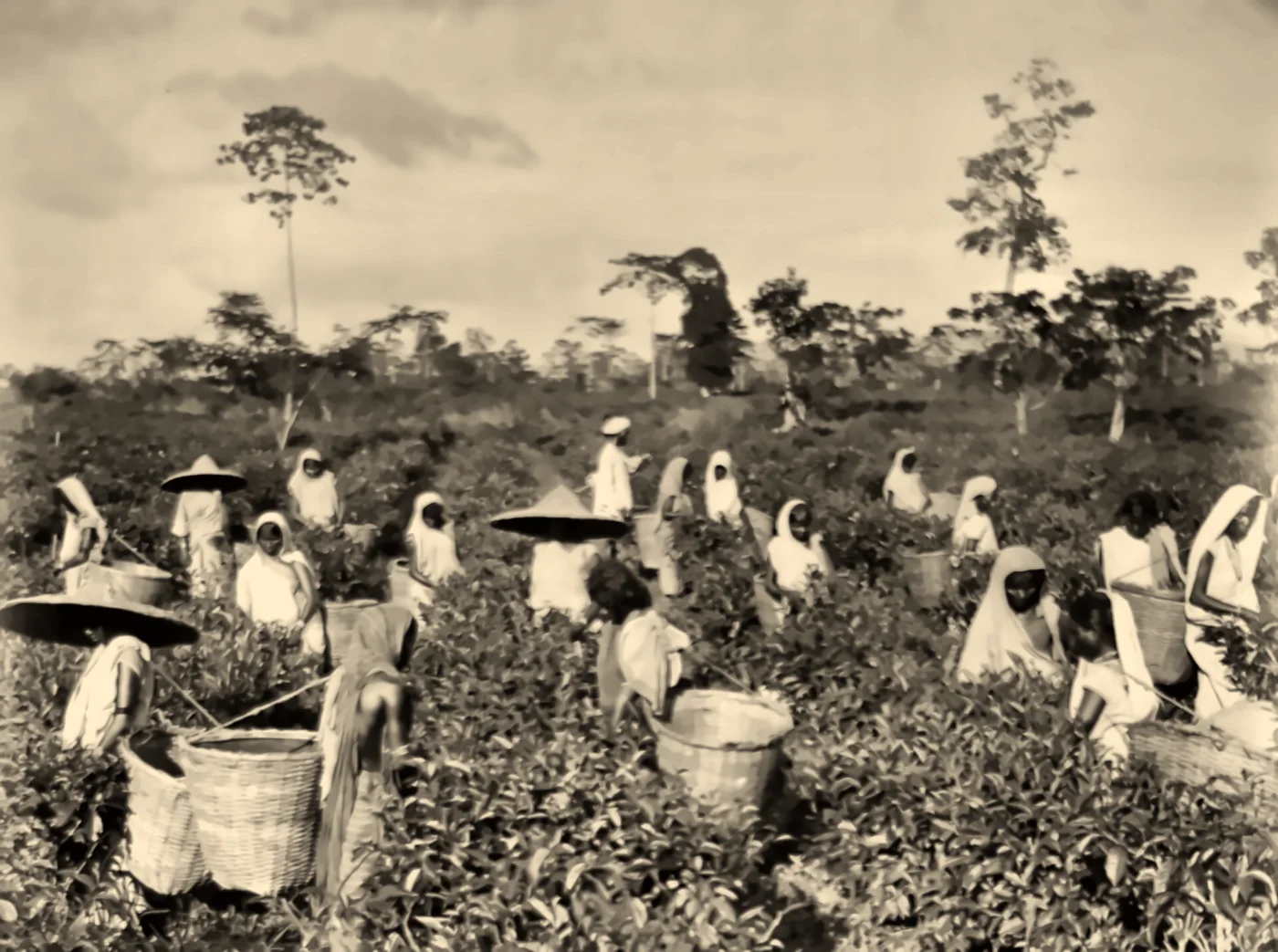
The tea hills of Kerala
The same story unfolded in the Western Ghats. Tea was planted in the Nilgiris, Peermade, Wayanad and, from 1880, in the Kannan Devan hills around Munnar, where Tamil workers cleared the forests and grasslands and built the estates. Read Munnar Tea, the history of Munnar and The People Who Made Munnar's Tea, and visit the relics at the KDHP Tea Museum.
Clipper ships and the great tea races
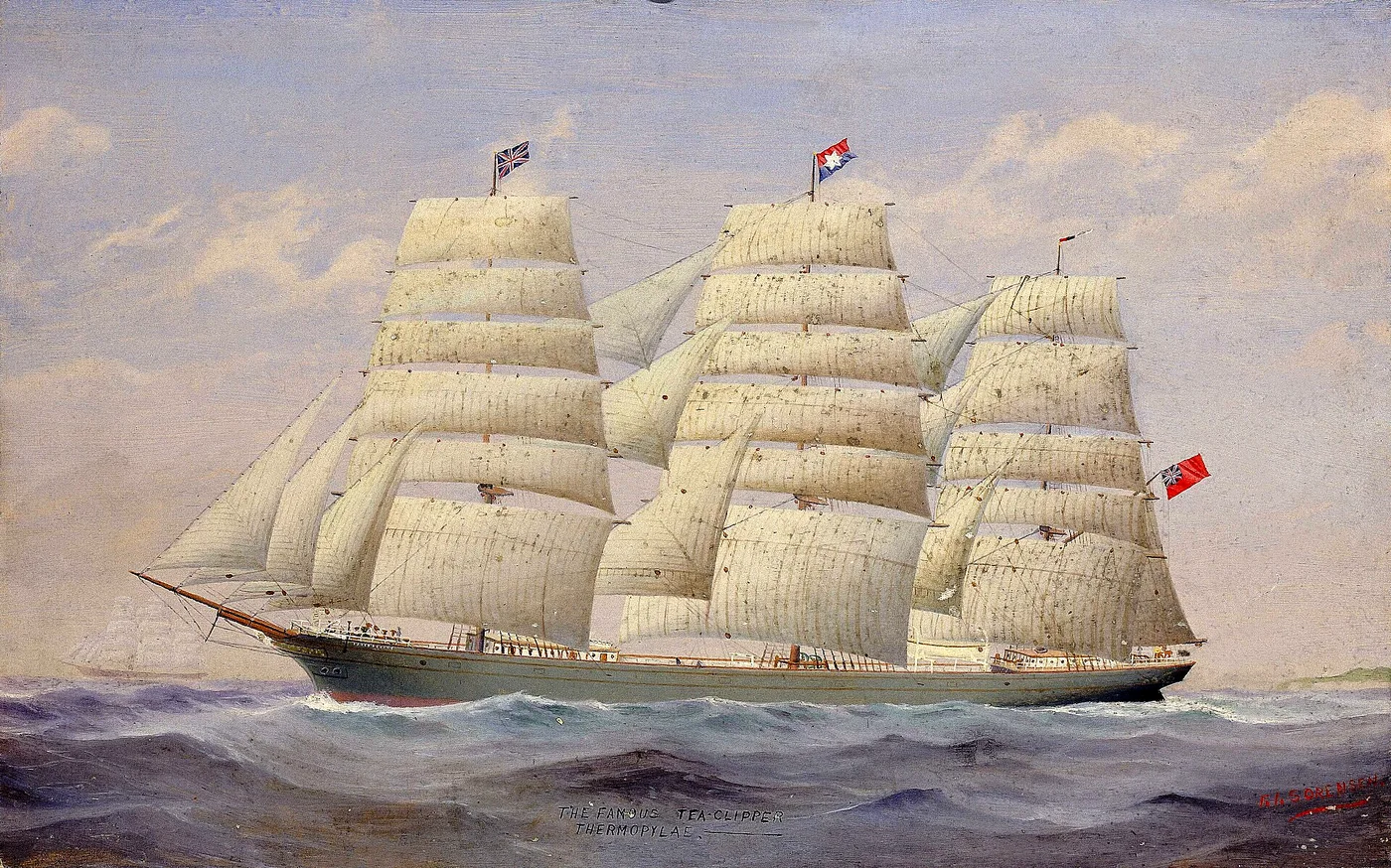
Because the first tea of the season fetched the highest prices in London, merchants built the fastest sailing ships ever made, the tea clippers, and raced them home from China. In the famous Great Tea Race of 1866, the Ariel and Taeping left Fuzhou on the same tide and arrived in London on the same day, after more than three months at sea. The opening of the Suez Canal in 1869, usable by steamships but not by sailing ships, ended the clipper era. The Cutty Sark, launched that same year, survives in Greenwich as a museum.
Tea ceremonies and customs around the world
Every tea-drinking culture has made the drink its own. A short tour:
- China, gongfu cha: literally "tea made with skill". Oolong or pu-erh is brewed in a small clay pot or lidded bowl (gaiwan) with many short infusions, and poured into thimble-sized cups. In southern China, guests tap two fingers on the table to say thank you, a custom said to imitate a bow.
- Japan, chanoyu: the formal ceremony of whisked matcha described above, and in daily life endless cups of steamed green sencha.
- Korea, darye: a gentler, Buddhist-influenced tea etiquette, revived in the twentieth century, focused on harmony and simplicity.
- Tibet and the Himalayas, po cha: brick tea boiled for a long time, then churned with yak butter and salt. Nomads may drink dozens of bowls a day for warmth and energy. Mongolia has a similar salted milk tea, suutei tsai.
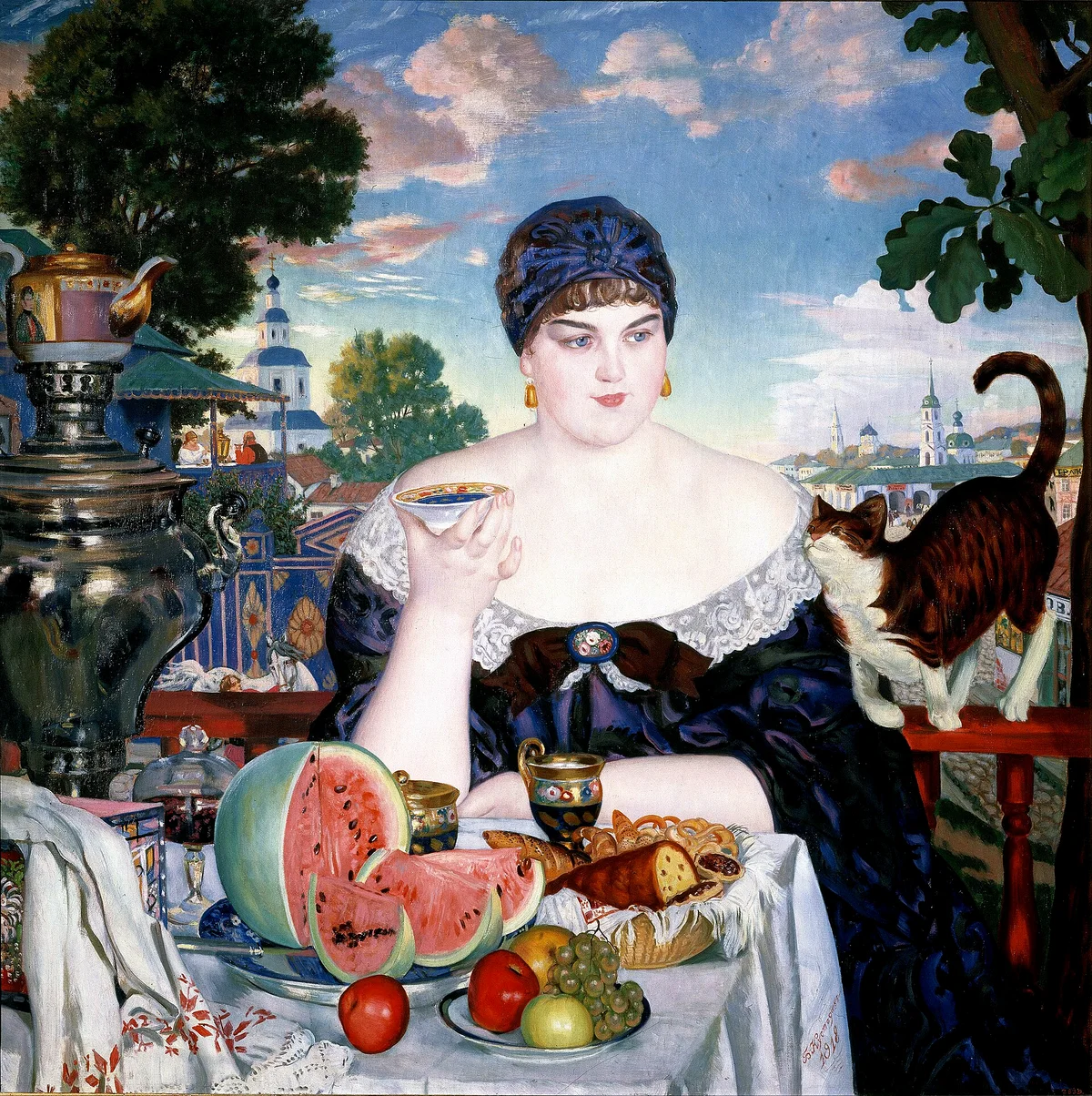
- Russia, the samovar: tea arrived as a diplomatic gift from a Mongol ruler to Tsar Michael in 1638, and after the Treaty of Kyakhta (1727), camel caravans brought it overland from China. Russians keep a strong concentrate (zavarka) in a small pot on top of the samovar and dilute it with hot water, drinking it with lemon, jam or sugar.
- Iran and Afghanistan: strong black tea in small glasses, often sipped through a sugar cube held between the teeth.
- Turkey: tea came late, with plantations on the Black Sea coast around Rize from the 1930s and 1940s, but today the Turks are often counted the world's biggest tea drinkers per head. Çay is brewed in a double kettle (çaydanlık) and served all day in tulip-shaped glasses.
- Morocco, atay: Chinese gunpowder green tea brewed with fresh mint and plenty of sugar, poured from a height to raise a foam. It is often said that the custom spread in the 1850s, when British merchants, cut off from Baltic markets by the Crimean War, sold their green tea in Moroccan ports. Refusing a glass is impolite; three are customary.
- Britain and Ireland: afternoon tea, the "cuppa", "elevenses" and the tea break. The Irish are among the heaviest tea drinkers in the world.
- India: sweet, milky, spiced chai, boiled in a pan and sold at every station and street corner.
- Kashmir: pink, salty noon chai, and kahwa, green tea with saffron, cardamom and almonds, both made in copper samovars.
- Malaysia and Singapore: teh tarik, "pulled tea", poured back and forth between two jugs to cool it and make it frothy.
- Hong Kong: strong "silk stocking" milk tea, strained through a cloth bag.
- Taiwan: bubble tea, with chewy tapioca pearls, invented in the 1980s and now sold all over the world.
- Myanmar: lahpet, fermented tea leaves eaten as a salad with nuts and garlic, part of ceremonies of welcome and reconciliation.
India learns to drink tea
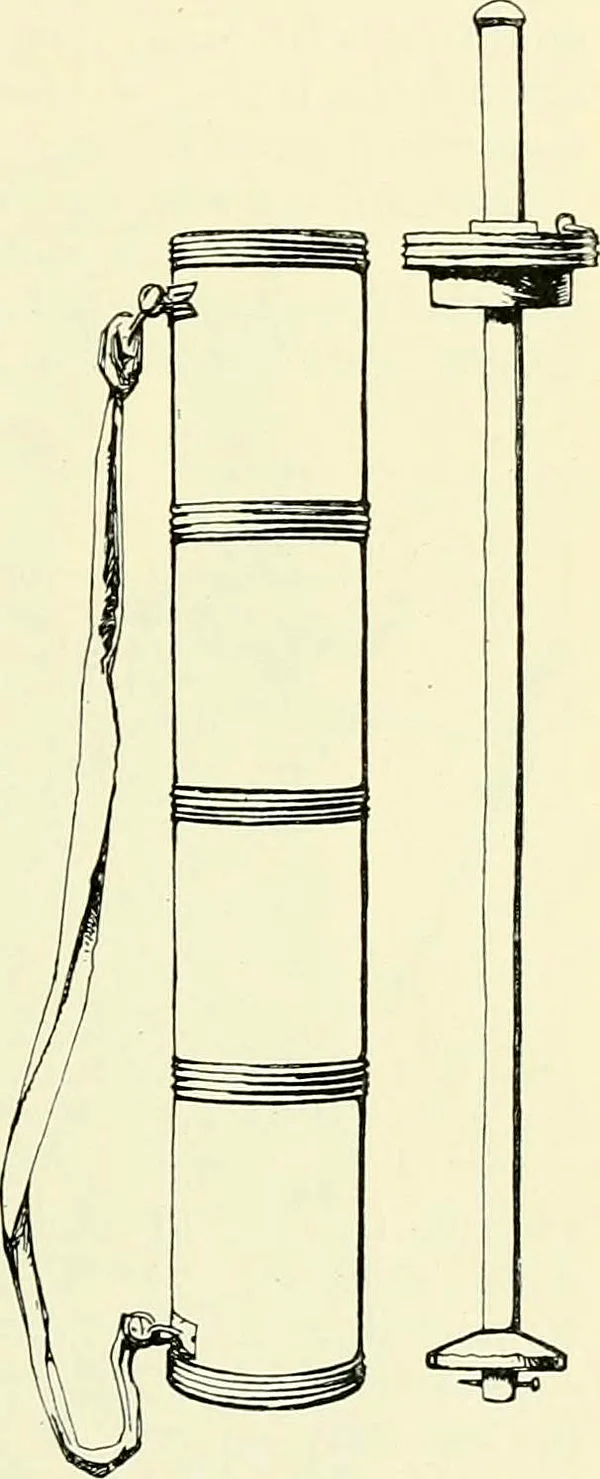
It may come as a surprise that, for most of the nineteenth century, Indians grew tea mostly for export and hardly drank it. That changed in the twentieth century. Faced with surpluses in the Depression of the 1930s, the industry's Indian Tea Market Expansion Board launched one of the biggest marketing campaigns India had seen. It gave away free cups at railway stations, sent demonstration vans with huge kettles into towns and villages, put up enamel signs explaining how to brew, and persuaded factories to give workers tea breaks. Not everyone approved: Mahatma Gandhi, in his writings on health, counted tea among the stimulants better avoided.
Indians soon made tea their own, not in the British way but by boiling the leaves with milk, sugar and spices. Today India is the second-largest tea producer in the world and also one of its largest consumers, drinking most of what it grows. In Kerala, the chayakkada (tea shop) became a village parliament, where newspapers were read aloud and politics argued over glasses of "meter chaya", tea pulled in a long arc between two vessels.
Tea in the World Wars
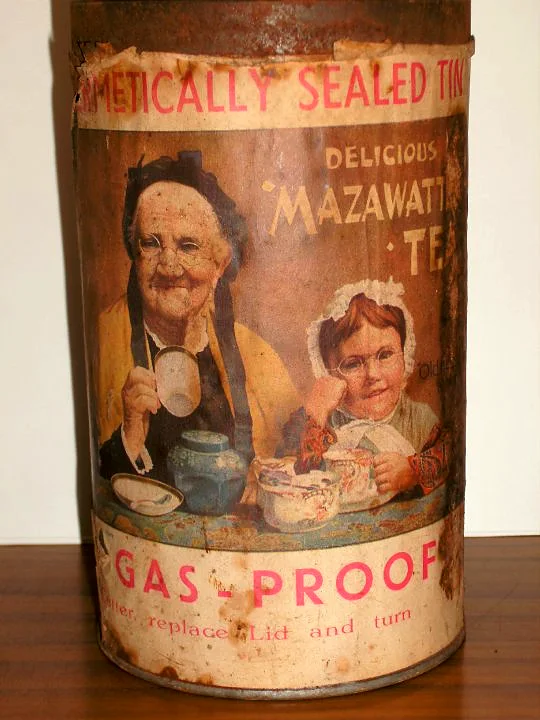
In the First World War, tea was a staple of the British soldier's rations, brewed in dixies in the trenches, and canteens and YMCA huts served it behind the lines. By the Second World War, the British government regarded tea as essential to morale. Supplies were brought under state control, and from July 1940 tea was rationed in Britain, at 2 ounces (about 57 g) per person per week, enough for roughly two or three weak cups a day. Tea rationing did not end until October 1952. Tea was packed into Red Cross parcels for prisoners of war, and mobile canteens served it to firefighters and the homeless during the Blitz.
Soldiers found ways to brew anywhere. British desert troops made the "Benghazi burner", a petrol-soaked tin of sand that could boil water in minutes. Tank crews had to get out of their vehicles to make tea, exposing themselves to danger; at the very end of the war, the Centurion tank was fitted with an internal electric "boiling vessel", and British armoured vehicles have carried one ever since. (A line often attributed to Winston Churchill, that tea was more important than ammunition, cannot be traced to any reliable source.)
Tea and politics today
Tea is still political. The wages and living conditions of plantation workers, in India, Sri Lanka, Kenya and elsewhere, are a long-running source of protest, from the women of Munnar's 2015 Pembilai Orumai strike to strikes in Assam and Sri Lanka. Darjeeling tea became India's first Geographical Indication product in 2004, protecting its name in the way Champagne is protected. Its gardens were shut for more than a hundred days in 2017 during the Gorkhaland agitation. Fair-trade and sustainability labels, climate change and the rise of small growers, who now produce a large and growing share of India's tea, are reshaping the industry.
Timeline
- Legend, 2737 BCE: Shennong discovers tea.
- c. 400 BCE: oldest known tea residue, Shandong, China.
- c. 760–780 CE: Lu Yu writes The Classic of Tea.
- 1191: Eisai brings Zen-style powdered tea to Japan.
- 1391: Ming decree favours loose-leaf tea over pressed cakes.
- c. 1610: the Dutch ship the first tea to Europe.
- 1662: Catherine of Braganza brings the tea habit to the English court.
- 1773: Boston Tea Party.
- 1784: Britain slashes the tea tax; smuggling collapses.
- 1839: first Assam tea sold in London; First Opium War begins.
- 1848–51: Robert Fortune takes tea plants from China to India.
- 1880: tea planted in the Kannan Devan hills, Munnar.
- 1940–1952: tea rationing in Britain.
Continue with Inside the Cup: the tea plant, production and the world trade and How to make the perfect cup.
See it for yourself, with a local driver who knows these roads.
Book a Munnar Jeep SafariSources & further reading
- Sci.News (2021): 2,400-year-old tea residue found in China (Scientific Reports 11, 16557)
- NPR (2016): World's oldest tea discovered in an ancient Chinese emperor's tomb
- Hansard, House of Commons (18 July 1940): Tea rationing
- History.co.uk: Tea rationing ends (1952)
- Wikipedia: Boiling vessel
- ThePrint: How the British used Indian railways and free cups to make Indians tea drinkers (from Mohona Kanjilal, Taste of Time)
- Wikipedia: Boston Tea Party
- Wikipedia: Etymology of tea
- Wikipedia: Robert Fortune
- Wikipedia: Japanese tea ceremony
Figures are from the sources listed and were checked in October 2026. Park timings and road conditions change, so please confirm before you travel.