
Before Tea: The Coffee Blight and Cinchona Bust That Made the High Ranges a Tea Country
The first planters of the Travancore hills came for coffee, then bet on cinchona, the fever tree that gave quinine. Between 1870 and 1894 a fungus and a flood of cheap bark from Ceylon and Java ruined both, and tea was what was left.
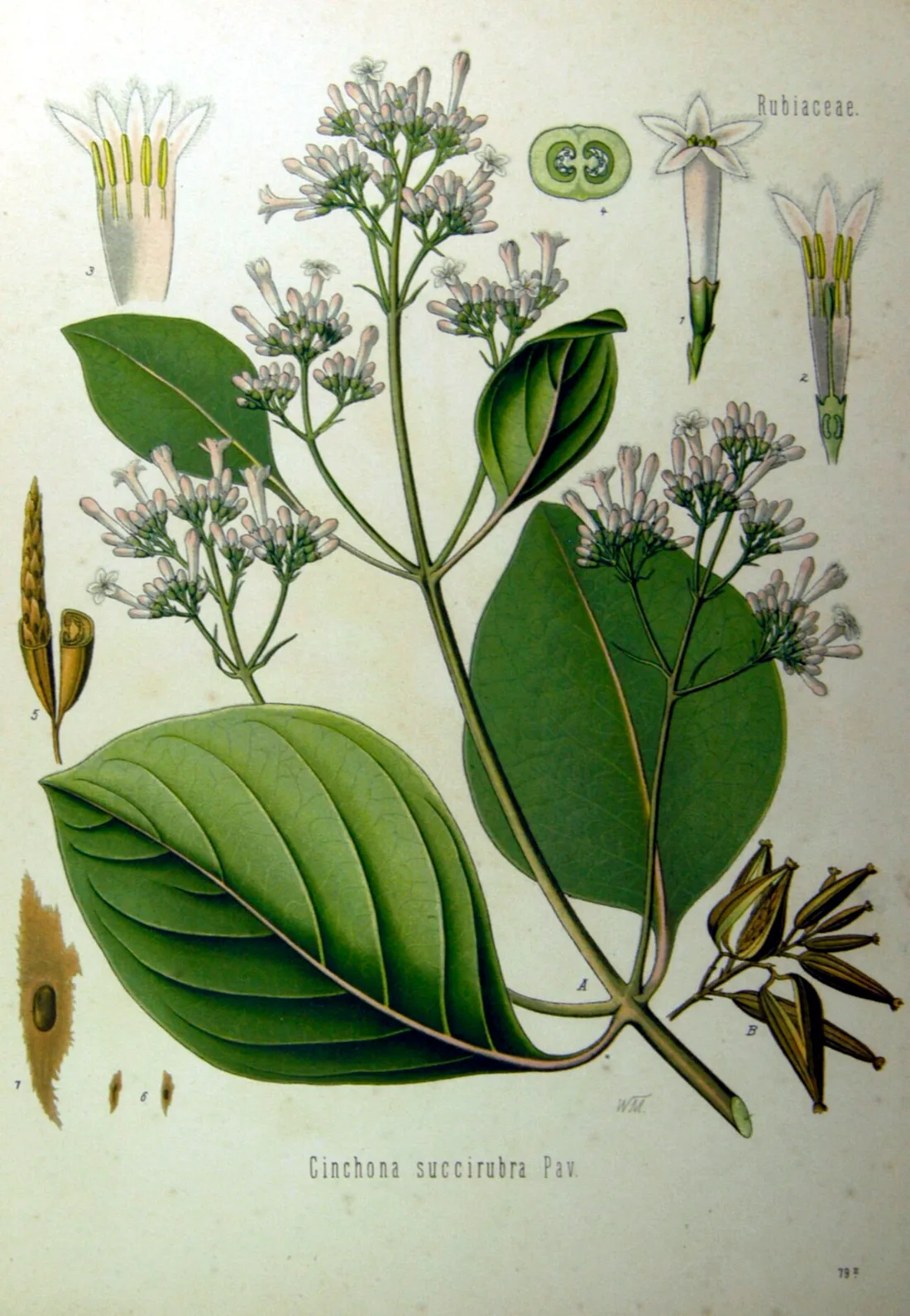
Every visitor to Munnar today sees a world made of tea. It is easy to assume it was always meant to be. It was not. When the first planters climbed into the hills of Travancore in the 1860s and 1870s, they came to grow coffee. When coffee failed, many put their hopes in cinchona, the ‘fever tree’ whose bark gave quinine. Within a generation both had crashed, one killed by a fungus, the other by a flood of cheap bark from Ceylon and Java. Tea was what was left.
This article tells the story of those two forgotten booms, from Peermade to the High Range, using the words of people who watched them happen. As always, our own assessments are clearly marked.
At a glance
- Coffee: reintroduced to Travancore and carried into the hills about 1854; the first estates at Peermade were opened in the 1860s by the Baker and Munro families.
- The blight: coffee leaf rust, Hemileia vastatrix, named in 1869 from Ceylon; first noticed in Travancore in November 1870 and general by 1872; it reached Peermade by about 1875.
- Cinchona: planted by the Travancore government at Peermade from the 1860s and by private planters across Travancore and the High Range in the 1870s and 1880s.
- The crash: Ceylon's cinchona area grew from about 500 acres in 1872 to some 65,000 acres in 1883, while Java's high-yielding Ledger trees came into bearing. Bark prices fell, and by 1894 the High Range cinchona boom had collapsed.
- The pivot: tea at Peermade from 1875, in the High Range from 1880; by 1906 Central Travancore had about 8,000 acres of tea and only 500 of coffee. In 1897 the Glasgow firm of James Finlay formed the Kanan Devan Hills Produce Company.
Coffee comes to the hills
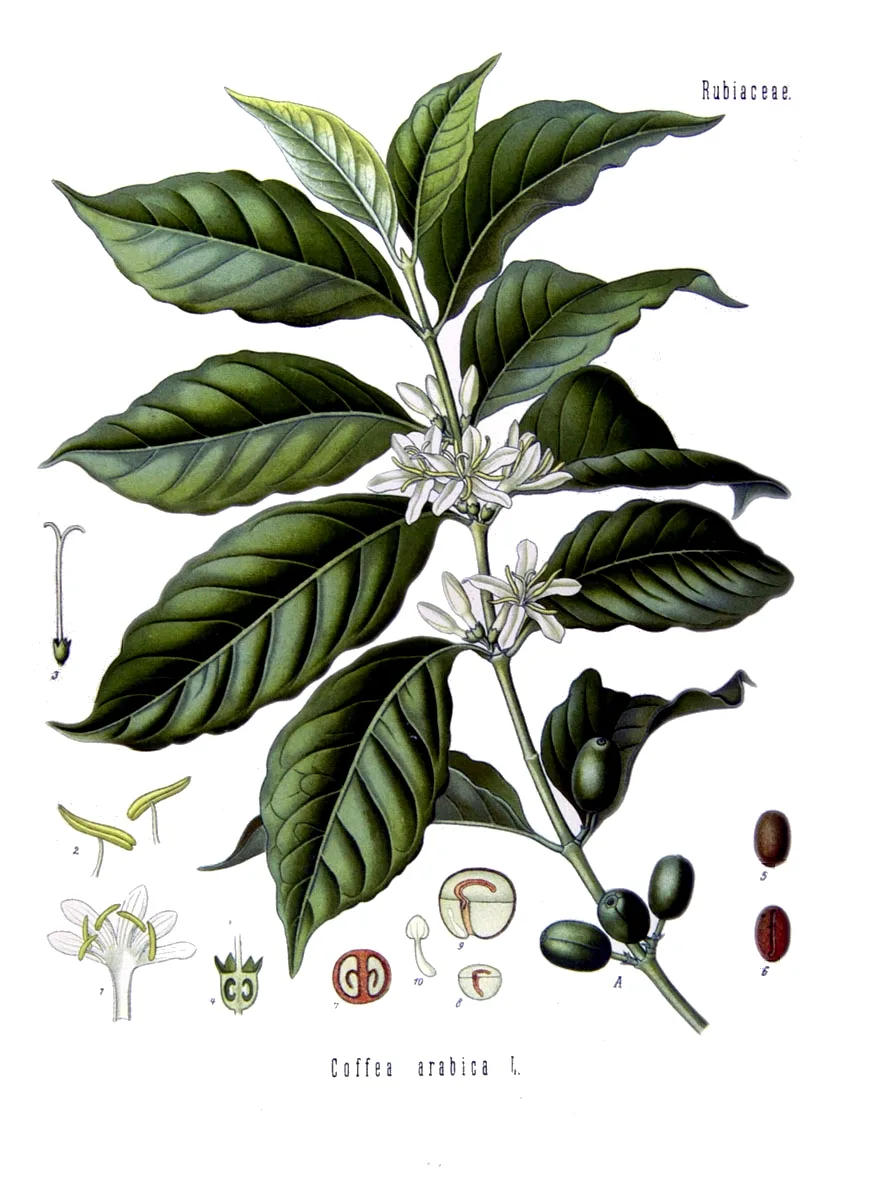
Coffee was not new to Kerala; Arab traders are said to have brought it to the coast centuries earlier. But plantation coffee, grown on cleared hillsides for the London market, arrived in Travancore in the middle of the nineteenth century. The missionary Samuel Mateer of the London Missionary Society, who lived in Travancore for many years, recorded its beginnings in 1883:
“Coffee was afresh introduced into Travancore, and extended to the Hills, about the year 1854, by Lt.-General Cullen, then British Resident.”
— Samuel Mateer, Native Life in Travancore (London, 1883)
Mateer credits the first professional planter in the Travancore hills to a Tamil Christian, P. D. Devasahayam of Ashambu in the far south, who began planting there in 1858. Further north, the Peermade hills were opened in the 1860s by the Baker and Munro families, who intermarried and became, in effect, one large planting clan. Mateer records that “the first openings for coffee were made by Messrs. Baker and Munro” on government forest grants. Coffee seed came up from Wayanad along jungle paths; the cart road from Kottayam to Peermade did not open until 1872.
For a while the gamble paid. The state auctioned forest land for coffee from 1865; Mateer gives a price of one rupee an acre at first, rising to ten by 1874. By 1879 there were 121 regular estates in Travancore, and coffee exports had risen from under 3,000 hundredweight in 1864 to a peak of about 50,000 hundredweight in 1877.
‘Devastating Emily’
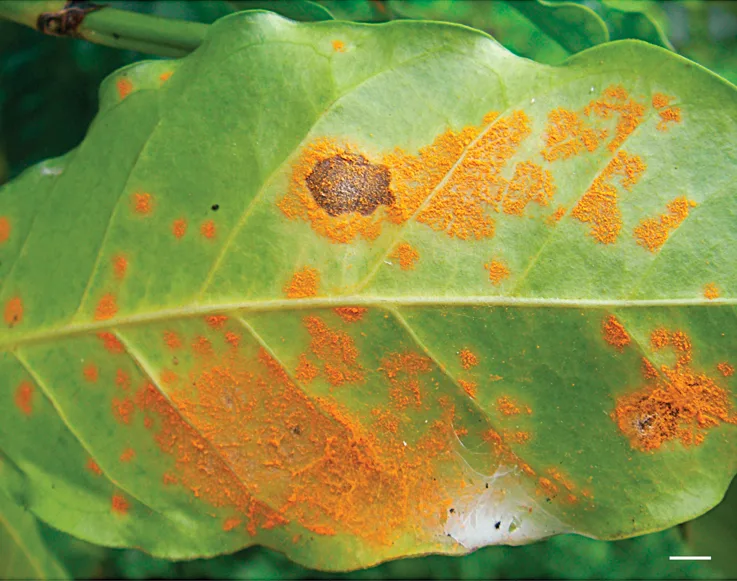
In 1869 a parcel of diseased coffee leaves from Ceylon reached the English mycologist the Rev. Miles Joseph Berkeley. With his colleague C. E. Broome he described the fungus that covered them in the Gardeners' Chronicle that November and named it Hemileia vastatrix, the ‘devastator’. Ceylon's planters had their own name for it: ‘Devastating Emily’.
The rust spreads on the wind as orange spores. Infected leaves drop, the bush cannot feed its berries, and after a few seasons it is exhausted. In Ceylon, then the world's great coffee island, a government inquiry later put the damage between 1869 and 1879 at 12 to 15 million pounds sterling. Exports fell year after year; by 1889 coffee was finished there as a plantation crop.
Travancore was close behind. Mateer, writing from the same years, is precise:
“Symptoms of the leaf disease were first noticed in Travancore in November, 1870.”
— Samuel Mateer, Native Life in Travancore (1883)
It appeared unmistakably in October 1871 and became general after July 1872. Exports slid from their 1877 peak to under 30,000 hundredweight in 1881, a year in which, as Mateer adds, the disease was worse than ever and heavy rain destroyed much of what was left. His verdict on the industry was blunt:
“The yearly recurrence of leaf disease during the last decade has nearly ruined this once promising adventure.”
— Samuel Mateer, Native Life in Travancore (1883)
Planters, he reckoned, had sunk nearly ninety lakhs of rupees into the land. The rust reached Peermade by about 1875, and according to the planting history compiled for Southern India in 1914, by 1886 only twelve planters remained in those hills.
The fever tree
Into the gap stepped a tree from the Andes. The bark of cinchona had been used against fevers since the seventeenth century, and its alkaloid, quinine, was the only reliable remedy for malaria, the great killer of the tropics. Supplies from South America were uncertain and costly, so in 1859–60 the India Office sent the geographer Clements Markham to collect seeds and plants in Peru. The first cinchonas in India were planted out at Naduvattam in the Nilgiris on 30 August 1862.
Travancore followed. The Kerala Museum records a government cinchona plantation at Peermade from 1862, and by the 1870s private planters, desperate for a crop that the rust could not touch, were sowing cinchona between their failing coffee bushes. Mateer saw it happening:
“A large quantity of cinchona seeds from the Neilgherries has been sown in nurseries”
— Samuel Mateer, Native Life in Travancore (1883)
He reported that the red bark, C. succirubra, was doing well, though he wondered whether it could stand the winds that had battered the coffee. In the High Range, newly leased to John Daniel Munro in 1877, the North Travancore Land Planting and Agricultural Society, formed in 1879, opened its first clearings for cinchona and sisal. Some accounts place the first High Range cinchona under Devimalai, on what became Devikulam estate, in 1878. Rice from the plains was traded for bark.
Too much quinine for the world
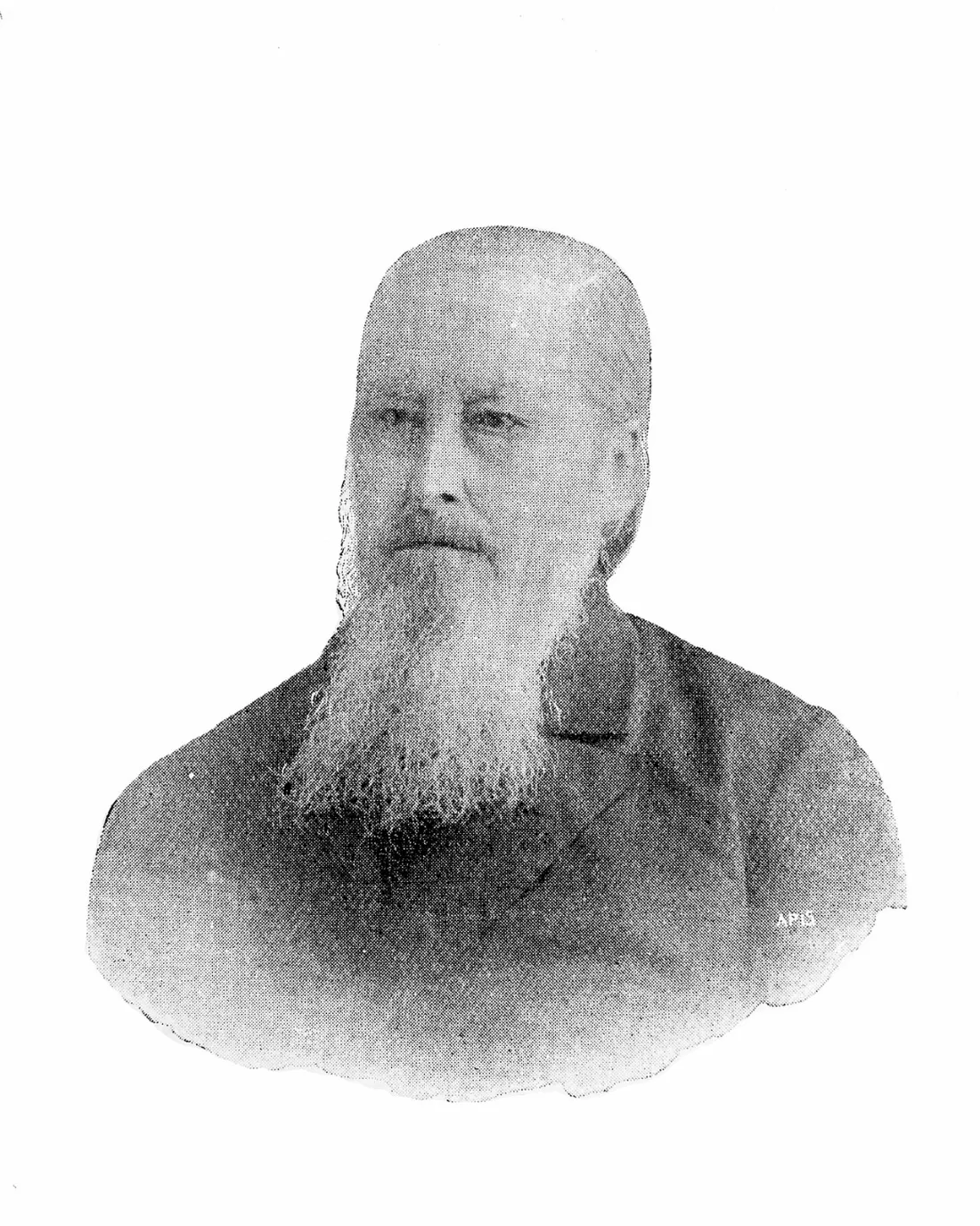
Cinchona had a catch: a tree takes years to yield good bark, and everybody planted at once. In Ceylon, where ruined coffee planters turned to it en masse, the cinchona area rose from about 500 acres in 1872 to some 65,000 acres by 1883. Ceylon's bark exports, under 19,000 lb in 1875, passed 11 million lb by 1885. The Indian government's own plantations in the Nilgiris and at Mungpoo in Sikkim were producing hundreds of thousands of pounds of bark a year. In 1886 a member of the House of Commons was already asking whether these government plantations were hurting private planters by flooding the market.
Then came Java. In 1865 the English trader Charles Ledger had sold the Dutch a small parcel of seed collected in Bolivia by his servant Manuel Incra Mamani. The trees grown from it, named Cinchona ledgeriana, proved astonishingly rich in quinine. Dutch growers bred and planted them, and from the 1880s Java's bark poured into Amsterdam. By 1907 the British Medical Journal could explain to its readers why quinine was now cheap:
“The time when quinine cost 20s. an oz. will be in the memory of more than one”
— ‘The Varying Price of Drugs’, British Medical Journal, 9 February 1907
The same note credits Dutch cross-breeding with a tree yielding ‘four or five times as much quinine as the Peruvian variety’. Another report of the time quoted the quinine makers Howard & Sons, whose only complaint about the Ledger tree was that it supplied too much quinine for the world to use.
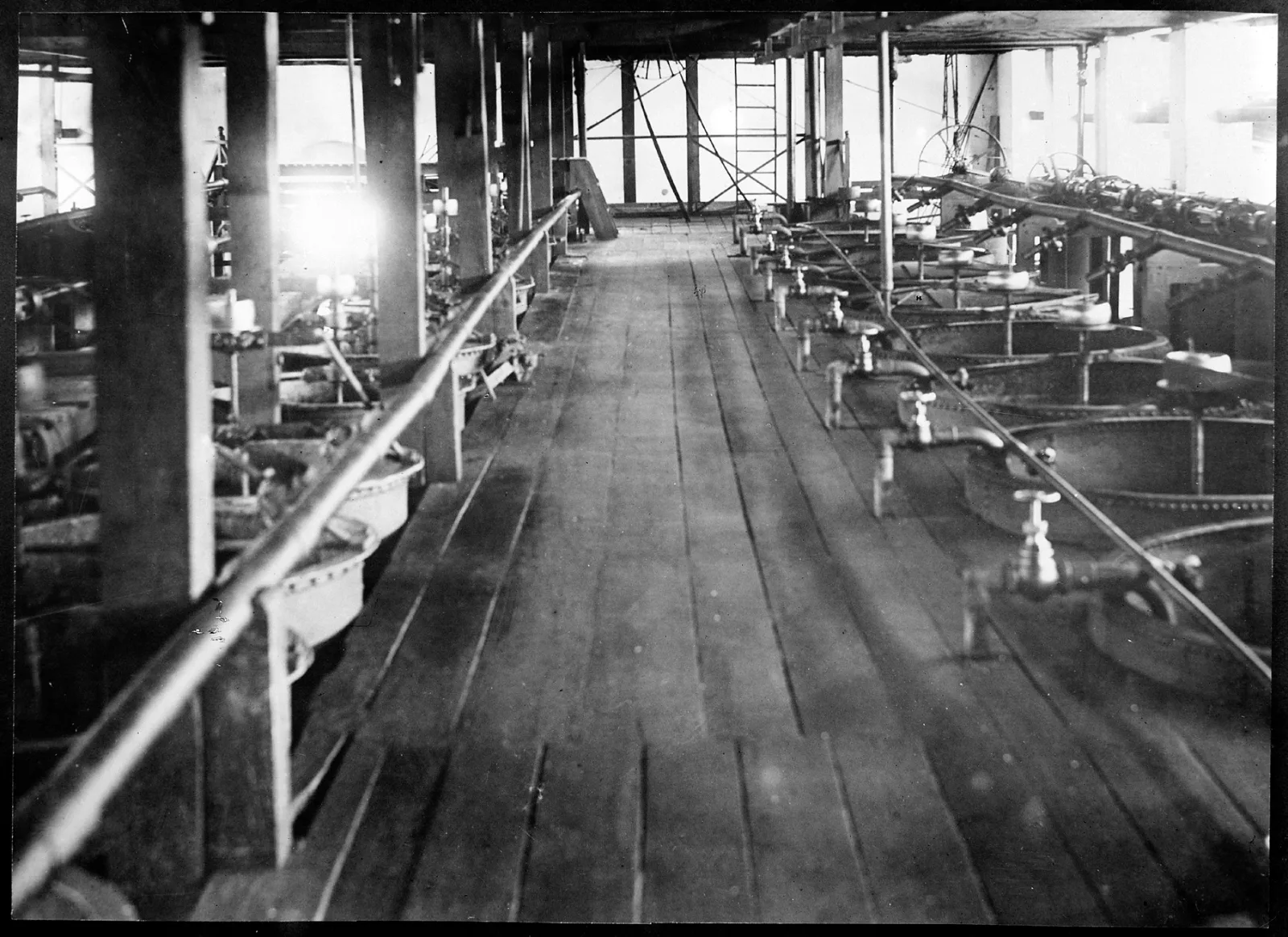
For the small planters of Travancore, who had borrowed to plant cinchona and waited years for a crop, the arithmetic collapsed. A history of the High Range records that by 1894 the cinchona boom was over, about two dozen small estates were struggling, and the planting society was advertising its land. By 1917, Dutch Java controlled almost all of the world's cinchona supply.
Our assessment: two crashes, two different causes
The coffee crash was biological: a new fungus, spreading on the wind, against which nineteenth-century planters had no defence. The cinchona crash was economic: too many growers, including colonial governments, planting the same tree at the same time, while a competitor with a better tree cut costs.
Popular accounts sometimes blame ‘Javanese competition’ alone. In our reading, Ceylon's planting mania and the Indian government's own plantations did at least as much to sink bark prices before Java's Ledger trees took the market for good.
The turn to tea
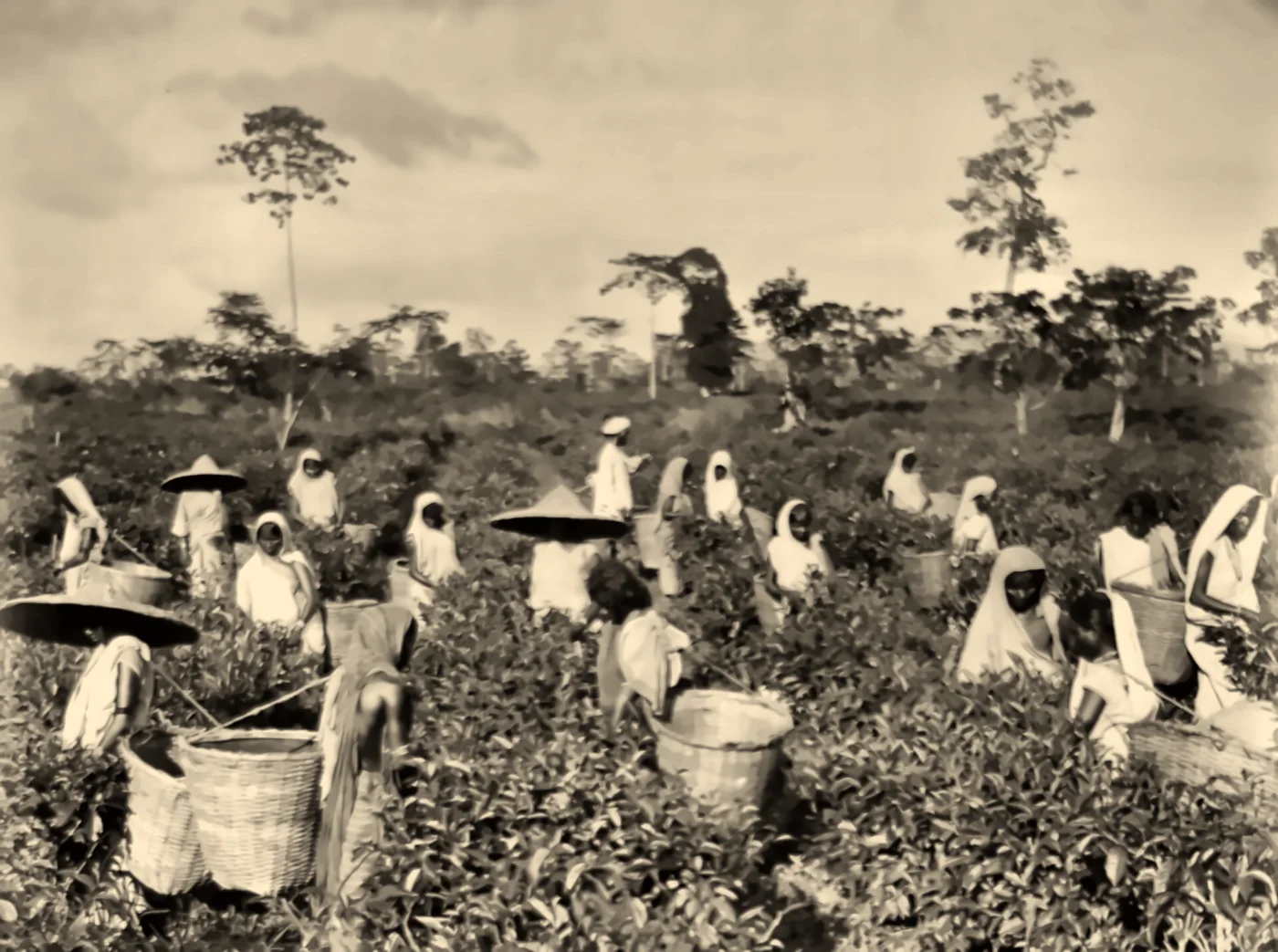
Tea had been waiting in the wings. An experiment is recorded at Peermade as early as 1864, and in 1875 F. M. Parker opened 25 acres of China hybrid tea on Penshurst estate, Kerala's first commercial tea. Mateer noticed the change on the coffee estates themselves:
“Tea is, therefore, being largely planted as a second resource, and so far, is doing well.”
— Samuel Mateer, Native Life in Travancore (1883)
Tea was hardier, needed less rich soil, could be plucked every week or two, and gave a cash return far sooner than cinchona. In the High Range, A. H. Sharp planted about 50 acres at Parvathy, now part of Seven Mallay estate, in 1880 (some estate records say 1883). By 1906 Central Travancore had about 8,000 acres of tea and just 500 of coffee.
The decisive step came from Glasgow. The Scottish trading house of James Finlay & Co., already deep in tea in Assam and Ceylon, bought into the struggling High Range estates from 1895, and in 1897 formed the Kanan Devan Hills Produce Company to run them. Cinchona, coffee and sisal faded; the Scottish managers who ran the hills for most of the next century were tea men.
- c. 1854Coffee reintroduced to Travancore and carried into the hills under the Resident, General Cullen (Mateer, 1883).
- 1858P. D. Devasahayam begins coffee planting in the Ashambu hills.
- 1860sThe Baker and Munro families open coffee at Peermade; the state begins auctioning forest land for coffee in 1865.
- 1862First cinchonas planted out at Naduvattam, Nilgiris; a government cinchona plantation reported at Peermade.
- 1869Berkeley and Broome name Hemileia vastatrix from Ceylon.
- Nov 1870Leaf disease first noticed in Travancore; general by 1872.
- 1875Rust reaches Peermade; F. M. Parker plants Kerala's first commercial tea at Penshurst.
- 1877Travancore coffee exports peak at about 50,000 cwt; the High Range is leased to J. D. Munro.
- 1879The North Travancore Land Planting and Agricultural Society opens land for cinchona and sisal.
- 1880A. H. Sharp plants tea at Parvathy in the High Range.
- 1883Ceylon has some 65,000 acres of cinchona.
- 1894The High Range cinchona boom has collapsed.
- 1897Finlay's Kanan Devan Hills Produce Company is registered.
What is proven, and what is not
Fact, tradition and simplification
- Documented: coffee leaf rust struck Travancore from 1870 and ruined most coffee estates within two decades (Mateer, 1883; later planting histories).
- Documented: cinchona was planted widely in Travancore and the High Range in the 1870s and 1880s, and the boom had collapsed by the 1890s.
- Simplified: that Javanese competition alone killed cinchona. Ceylon's huge plantings and India's government plantations also drove prices down; Java won the long run.
- Uncertain: the exact dates of the first High Range cinchona (1878 or 1879) and the first High Range tea (1880 or 1883). Estate records and later histories disagree.
- Partly true: that Scottish planters ‘pivoted’ to tea. Many early planters were Scots and the company that took over, James Finlay, was a Glasgow firm; but tea in Travancore began with men of several origins, at Peermade before the High Range.
Traces to look for
- Peermade and Vandiperiyar: the oldest planting district of the Travancore hills; Penshurst and the old Baker and Munro estates lie around Peermade and Kuttikkanam.
- The KDHP Tea Museum, Munnar: tells the tea side of the story and the founding of the company.
- Coffee today: coffee is still grown at lower elevations in Idukki, mostly robusta, mixed with pepper and cardamom.
The hills were not made for tea. They were made by a fungus that nobody could see, a tree that everybody planted at once, and the crop that was left standing when both had gone.
Read also: The Strangers Who Shaped Munnar · Three Rivers and a Tea Empire · Kuttikkanam and Peermade · Toby Martin of the High Range · The KDHP Tea Museum
See it for yourself, with a local driver who knows these roads.
Book a Munnar Jeep SafariSources & further reading
- Samuel Mateer, Native Life in Travancore (London: W. H. Allen, 1883), chapter on coffee cultivation
- Native Life in Travancore, coffee chapter (transcription), Victoria Institutions
- M. J. Berkeley and C. E. Broome, Hemileia vastatrix, Gardeners' Chronicle (1869), p. 1157; record at Plazi
- S. McCook, 'Global rust belt: Hemileia vastatrix and the ecological integration of world coffee production since 1850', Journal of Global History 1 (2006)
- Southern India: Its History, People, Commerce and Industrial Resources (ed. A. Wright, 1914), Travancore planting history extract, via POABS
- C. R. Markham, Peruvian Bark: a popular account of the introduction of Chinchona cultivation into British India (1880)
- L. Veale, 'Exploring the historical geography of the Nilgiri cinchona plantations', Commodities of Empire
- The Kerala Museum: Cinchona, the fever tree
- 'The Varying Price of Drugs', British Medical Journal (9 February 1907)
- 'The Originator of the Quinine Industry' (Charles Ledger), via PubMed Central
- House of Commons, 9 April 1886: India – the cinchona bark trade (Hansard)
- Ceylon cinchona acreage 1872–1883 (Department of Agriculture, Sri Lanka, historical paper)
- Ceylon exports of cinchona bark, 1875–1885 (New Zealand Electronic Text Collection)
- The Hindu via Webjosh: Peermade tea plantations mark 150 years (Penshurst, 1875)
- UPASI Tea Research: the evolution of tea research in southern India
- The Kerala Museum: Kannan Devan Hills, a historical genesis
- Economic history of Kerala, 1800–1947, Part II: Travancore
Figures are from the sources listed and were checked in November 2026. Park timings and road conditions change, so please confirm before you travel.